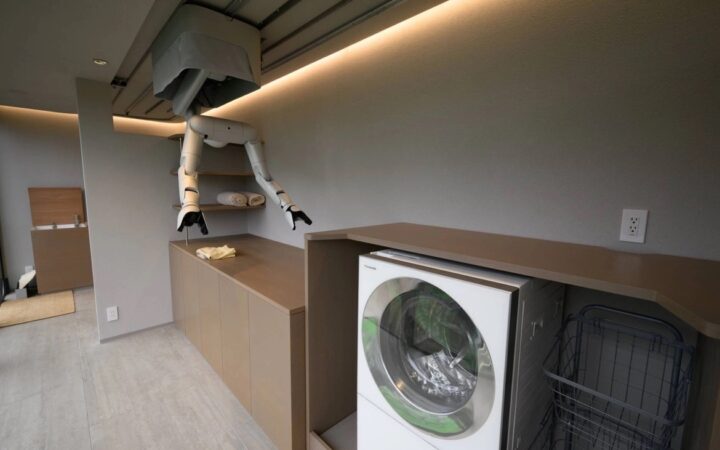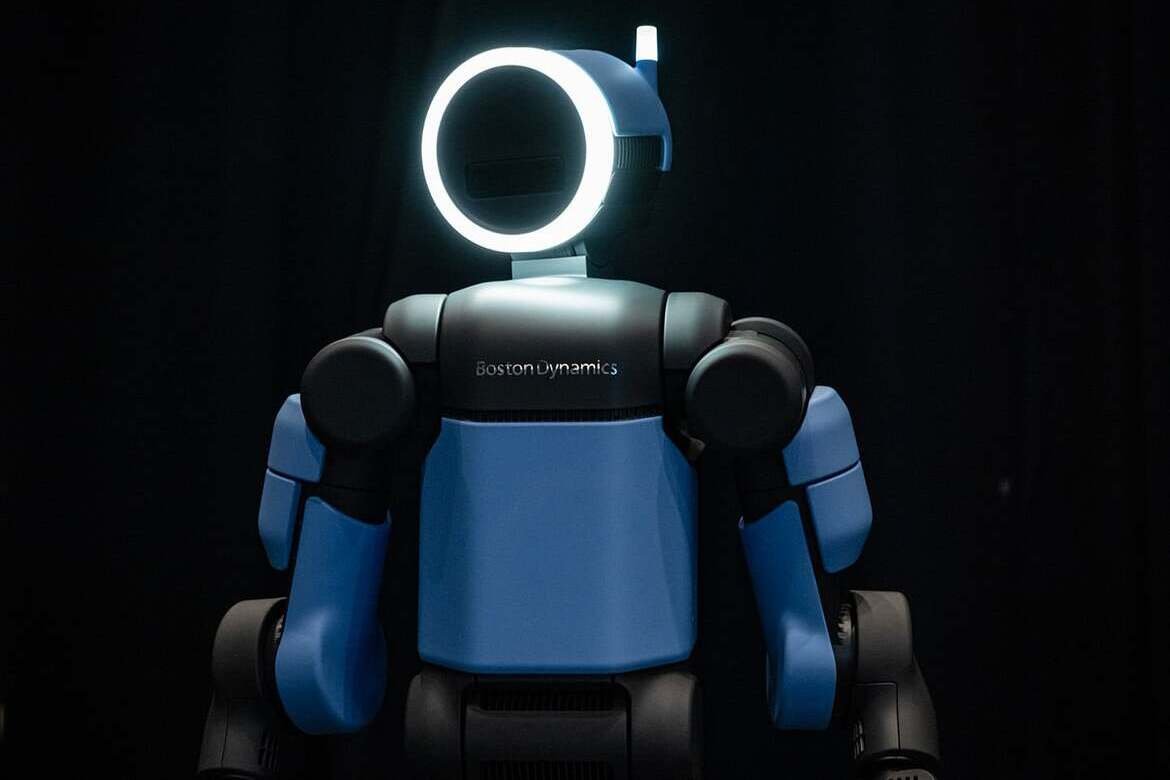
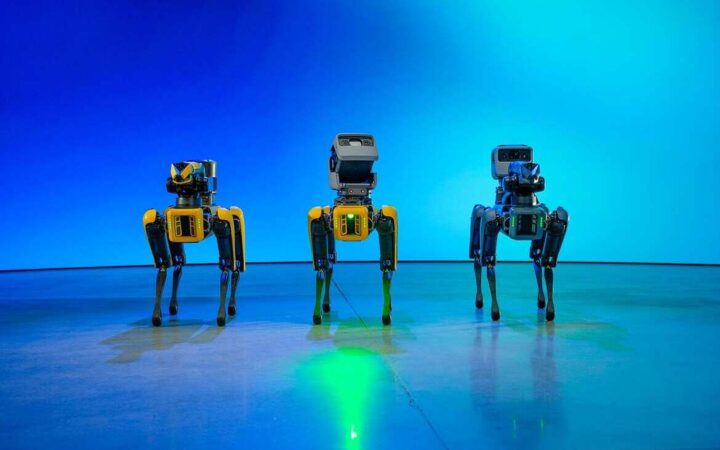
Hyundai is pressuring Boston Dynamics to rapidly scale production of its Atlas humanoid robot, with the Korean automaker seeking tens of thousands of units for its automotive plants in the coming years, according to a report from Semafor citing former employees. The pressure comes as Boston Dynamics navigates a significant leadership transition: CEO Robert Playter retired in February, followed by the departures of the chief operating officer and chief strategy officer. Senior researchers and engineers have also reportedly left the company.
Boston Dynamics’ statement on the changes framed them as preparation for scale: “These changes are designed to help us prepare for the next chapter of Boston Dynamics, where we will need a structure that supports our ability to mass manufacture robots and rapidly drive scale in this emerging industry.”
The Gap Between Ambition and Current Output
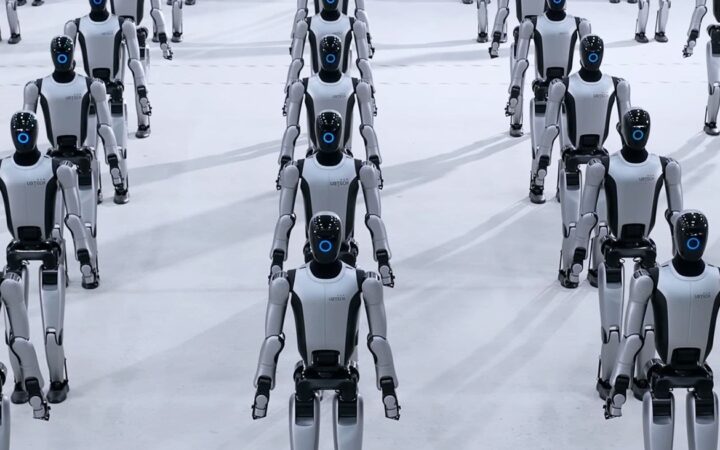
The scale of Hyundai’s demand creates a stark contrast with Boston Dynamics’ current production reality. At CES earlier this year, the company announced a new robotics factory capable of producing 30,000 Atlas robots per year and presented a production-ready version of the Atlas platform. Boston Dynamics is currently producing approximately four Atlas robots per month as it works through the manufacturing ramp-up process.
Closing that gap – from roughly 48 units annually to 30,000 – within a timeframe that satisfies Hyundai’s requirements represents one of the most demanding manufacturing scale challenges in the current humanoid robot industry. The board of directors is reportedly concerned that competitors, with Tesla likely prominent among them, are narrowing the technological and commercial lead Boston Dynamics has held for years in bipedal robotics.
The Strategic Pivot to Commercial Scale
Atlas project general manager Zachary Jackowski, speaking on the Automated podcast last month, addressed both Playter’s departure and the transition from research robot to sellable product. He drew a parallel between the current moment in robotics and the impact of large language models on software. “The magic is the generality,” he said – the ability of modern AI-driven robots to adapt across tasks rather than being confined to single programmed functions.
The retirement of the research-focused Atlas platform and the shift to a commercially oriented successor reflects a deliberate strategic repositioning. Boston Dynamics built its reputation on robotics research and viral demonstration videos. What Hyundai is now demanding is something different: a manufacturable product, delivered at automotive industry scale, on an automotive industry timeline.
Whether the leadership restructuring accelerates or disrupts that transition will become clearer as Boston Dynamics moves through the production ramp-up. The company’s ability to bridge from four units a month to the volumes Hyundai is seeking will be one of the more consequential tests of industrial-scale humanoid manufacturing in the near term.
Disclaimer: RobotsBeat is an independent media brand owned and operated by NuvexMedia LLC, publishing news, research, and insights on artificial intelligence, emerging technologies, automation, and related industries. NuvexMedia LLC invests in and collaborates with companies across the AI, Robotics, technology, software, and digital innovation sectors. These relationships do not influence RobotsBeat's editorial coverage, and the publication maintains full editorial independence to provide accurate, timely, and objective information. © 2026 NuvexMedia LLC. All rights reserved. This content is for informational purposes only and should not be considered legal, tax, investment, financial, or other professional advice.