Europe is increasingly positioning humanoid robotics as a strategic pathway to remain competitive in a global technology landscape dominated by the United States and China. While the region has lagged in areas such as large-scale artificial intelligence platforms and electric vehicles, it retains deep industrial capabilities that are now being redirected toward embodied AI.
Recent developments across the continent suggest that humanoid robots are no longer confined to research labs or demonstrations. Instead, they are moving into early industrial testing, supported by a combination of established manufacturing expertise and growing investor interest.
Industrial Strength Becomes a Robotics Advantage
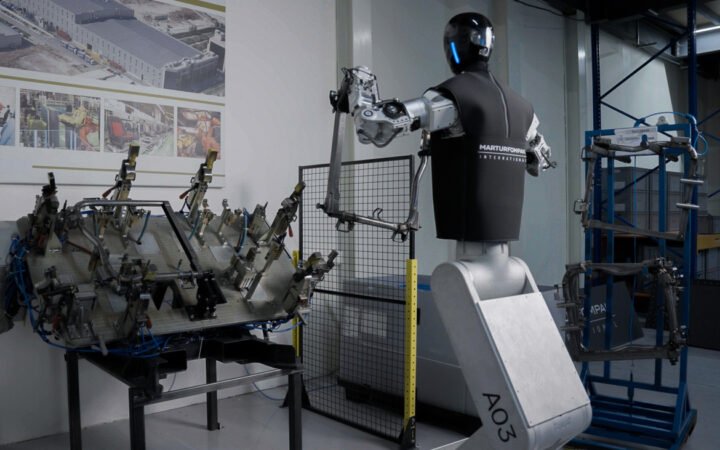
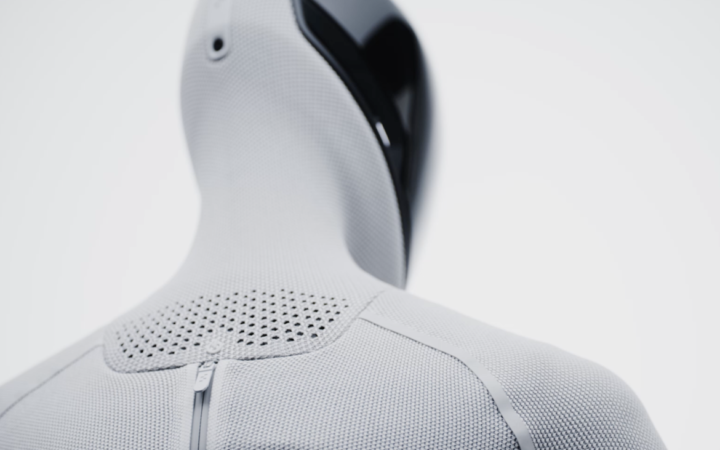
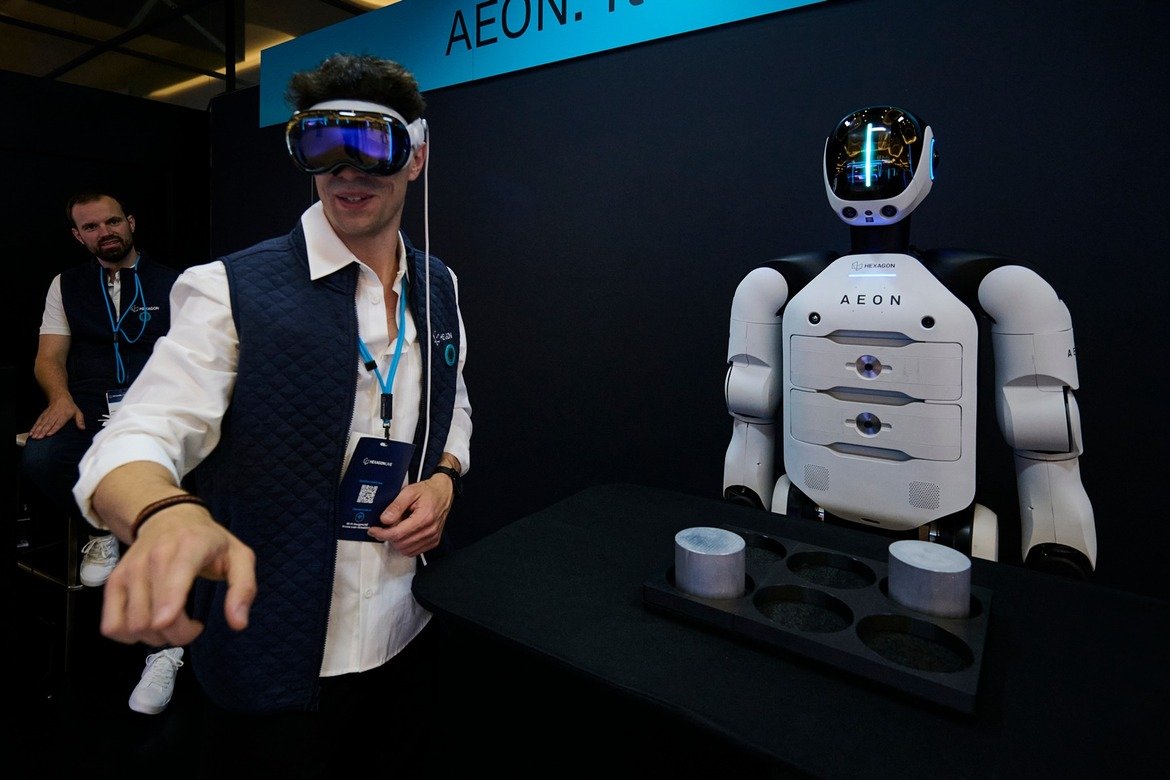
Companies such as Hexagon AB are advancing humanoid systems designed for industrial environments. Its Aeon robot is currently undergoing trials with manufacturing clients including BMW Group, with plans to scale production significantly by the end of the decade.
Executives at Hexagon have indicated that production could expand from small batches today to thousands of units within a few years, suggesting confidence that demand will follow once systems reach commercial readiness. The company expects to bring its humanoid platform to market as early as 2026, a timeline that reflects accelerated development cycles compared with traditional industrial robotics.
At the same time, Neura Robotics GmbH has raised approximately €1 billion in fresh capital, with backing from major technology players including Amazon and Qualcomm. The funding signals growing confidence that European robotics firms can compete in a category increasingly defined by scale and integration.
For many of these companies, humanoid robotics represents a natural extension of existing capabilities. Europe’s industrial base, particularly in precision engineering and automation, provides a foundation that can be adapted to new robotic form factors.
Automotive Supply Chains Drive Momentum
The region’s automotive ecosystem is playing a central role in this transition. Suppliers such as Bosch and Schaefflerare investing in robotics as they seek new growth avenues amid slowing demand in traditional vehicle markets.
Humanoid robots share key components with electric vehicles, including batteries, motors, sensors, and control systems. This overlap allows manufacturers to repurpose supply chains and engineering expertise, reducing barriers to entry compared with entirely new technology domains.
The trend is not limited to Europe. Companies such as Hyundai Motor Company have already moved aggressively into the space, notably through the acquisition of Boston Dynamics. Demonstrations of advanced humanoid systems at events like Consumer Electronics Show have further amplified industry momentum and investor attention.
For European firms, the challenge is not starting from zero, but accelerating quickly enough to match competitors that have already made significant investments in AI and robotics platforms.
A Narrow Window to Scale
Analysts increasingly view humanoid robotics as a potential trillion-dollar market over the next decade, driven by labor shortages, aging populations, and the need for flexible automation. For Europe, the sector offers a rare opportunity to establish leadership in a next-generation technology category.
However, the window may be limited. Success will depend not only on technical capability but also on the ability to scale production and integrate software, hardware, and data systems into cohesive platforms.
Unlike earlier waves of automation, humanoid robotics requires coordination across multiple domains, from mechanical engineering to AI software and manufacturing. Europe’s strength lies in its ability to combine these elements, but execution will determine whether that advantage translates into global leadership.
The emerging push into humanoid robotics reflects a broader recalibration of Europe’s technology strategy. Having missed earlier waves in platform-scale AI, the region is now focusing on areas where physical engineering and industrial integration matter as much as software.
If humanoid systems move from pilot deployments to widespread adoption, Europe’s existing strengths could become a competitive edge. If not, the region risks repeating the pattern seen in previous technology cycles, where early capability did not translate into long-term dominance.