A humanoid robot from startup Figure AI made an appearance at the White House this week, offering a high-profile glimpse into a technology that many in the industry believe could become the next major frontier for artificial intelligence.
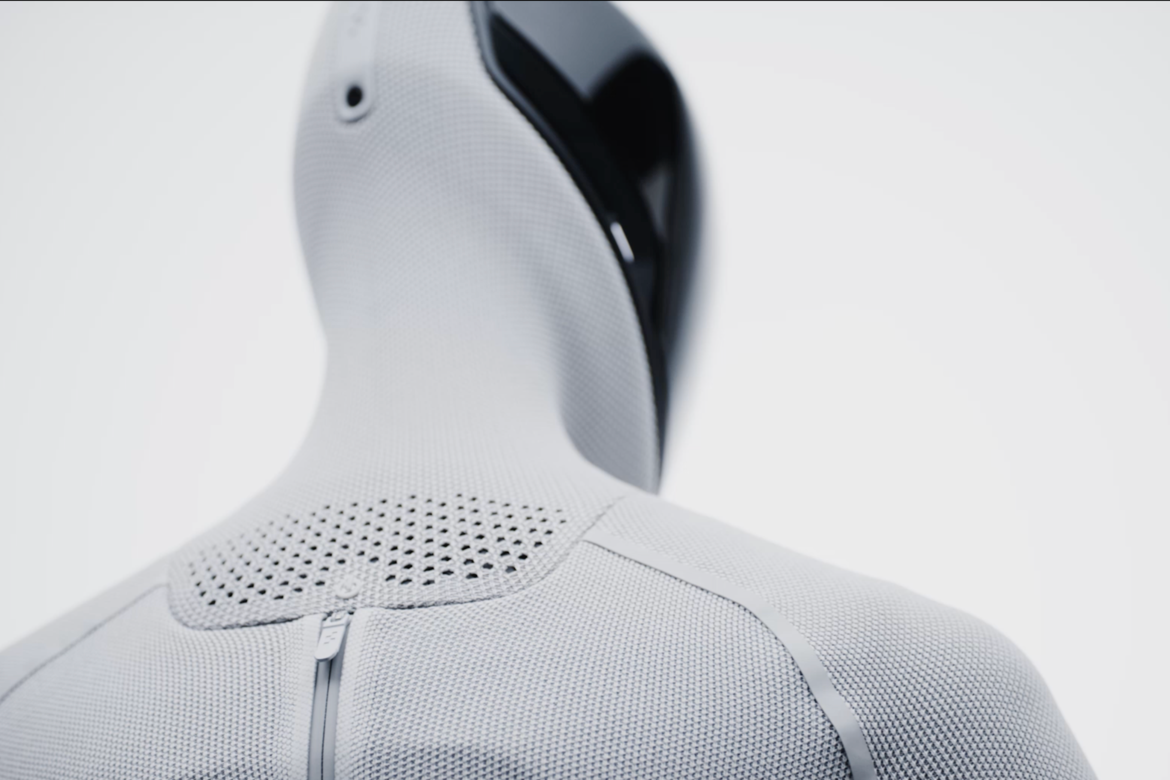
The robot, known as Figure 3, appeared alongside First Lady Melania Trump during the second day of the Fostering the Future Together Global Coalition Summit, an event focused on artificial intelligence and education. During the gathering, the robot greeted attendees in multiple languages and introduced itself as a humanoid built in the United States.
The moment marked one of the most visible public demonstrations of humanoid robotics in a political setting in the United States, underscoring how governments are beginning to treat the technology as a strategic priority.
A Startup With Global Ambitions
Figure AI is one of the most closely watched newcomers in the rapidly expanding humanoid robotics sector. The company was founded in 2022 by entrepreneur Brett Adcock, who previously co-founded electric aircraft company Archer Aviation and the hiring platform Vettery.
The startup’s robots are powered by an internal artificial intelligence system known as Helix, a vision-language-action model designed to translate perception and verbal instructions into physical robotic actions.
Rather than building machines limited to specific industrial tasks, Figure AI is pursuing a more general-purpose approach. The company says its humanoids are intended for a wide range of applications, from manufacturing and logistics to household assistance.
That ambition has attracted major investors. In 2025, the company raised more than $1 billion in funding, bringing its valuation to roughly $39 billion. Backers include technology companies and venture firms such as Nvidia, Intel Capital, Qualcomm Ventures and Salesforce.
From Factories to Homes
Figure AI has already begun testing its robots in industrial environments. One of its earliest commercial partnerships involves working with BMW to deploy humanoid robots in manufacturing facilities, where they assist with tasks such as handling sheet metal components.
The company ultimately hopes to expand beyond factories into logistics operations and eventually consumer environments.
Supporters argue that humanoid robots could become widely useful because they are designed to operate in spaces already built for people. Doors, tools and equipment are typically designed for human bodies, making human-shaped robots potentially easier to integrate into existing workplaces.
The appearance of Figure’s robot at the White House also tied into broader discussions about how AI could reshape education. During the summit, the robot was presented as an example of how humanoid systems might one day act as interactive tutors capable of assisting students at home.
Safety Questions in a Rapidly Growing Field
The company’s growing visibility has also brought scrutiny.
Figure AI is currently involved in a legal dispute with a former head of product safety who alleged he was dismissed after raising concerns about the potential risks posed by powerful humanoid robots. According to the lawsuit, the machines could generate forces capable of causing serious injury.
The company disputes the claims and has countersued, arguing the allegations are false and that the employee was terminated for performance reasons.
The case reflects a broader challenge facing the humanoid robotics industry. As machines become stronger and more autonomous, companies must demonstrate that they can operate safely alongside humans.
Despite these debates, investor enthusiasm for humanoid robotics continues to grow. Companies around the world are racing to develop robots capable of performing real-world tasks, and the appearance of one such machine at the White House signals how quickly the technology is moving from research labs into the center of economic and political conversations.
For Figure AI, the moment offered a powerful showcase for a company still relatively young but already aiming to deploy thousands of robots in the years ahead.