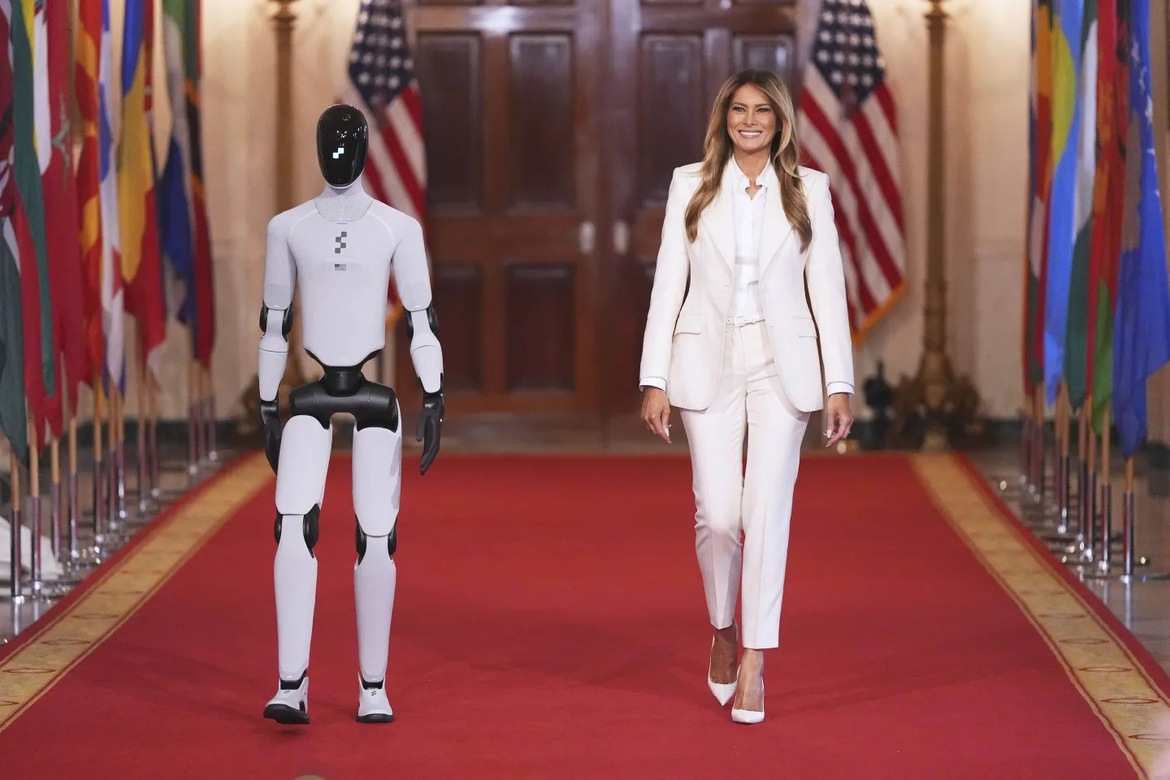
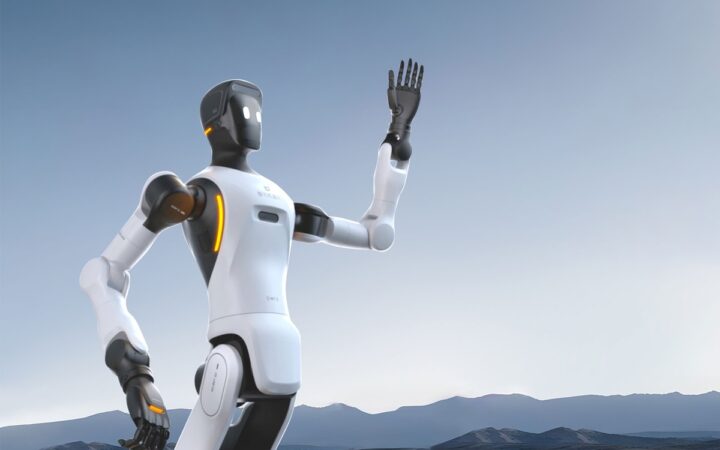
A humanoid robot appeared at the White House this week during an international summit focused on artificial intelligence and education, offering a glimpse of how policymakers increasingly view robotics as part of future learning systems.
The demonstration took place during the Fostering the Future Together Global Summit, where First Lady Melania Trump hosted representatives and first spouses from 45 countries. The gathering is described by organizers as the largest international meeting convened by a U.S. First Lady at the White House.
During the event, officials from several nations presented strategies for integrating emerging technologies into education systems. Alongside policy discussions, the summit featured the introduction of an American-built humanoid robot called Figure3, marking a rare moment in which a humanoid machine was formally presented in a diplomatic setting at the White House.
The appearance of the robot reflected a broader theme of the summit: the idea that artificial intelligence could move beyond screens and become embodied in machines designed to interact directly with people.
Humanoid Robots as Future Educators
In her remarks, Trump outlined three technological shifts she believes will shape the next generation of education: personalized learning powered by artificial intelligence, the emergence of humanoid robots as teaching tools, and the economic role of education-driven technology.
The concept centers on AI systems capable of adapting lessons to individual students. In the vision described during the summit, humanoid robots could eventually act as patient, always-available tutors capable of tailoring instruction based on a student’s pace, knowledge level and even emotional state.
Advocates of the approach argue that AI-powered learning assistants could expand access to high-quality education and help students develop stronger analytical and problem-solving skills.
The summit framed humanoid robotics as a natural extension of AI technologies that have already transformed digital tools such as chatbots and online tutoring systems.
Because human environments are built around human bodies, proponents say robots with humanlike form factors could interact with students more naturally than traditional devices.
Robotics Enters the Policy Conversation
The event reflects a growing shift in how governments are approaching artificial intelligence.
Until recently, most policy debates around AI focused on software systems such as language models or data platforms. The appearance of a humanoid robot at the White House suggests robotics is increasingly entering the policy conversation as AI systems begin to operate in the physical world.
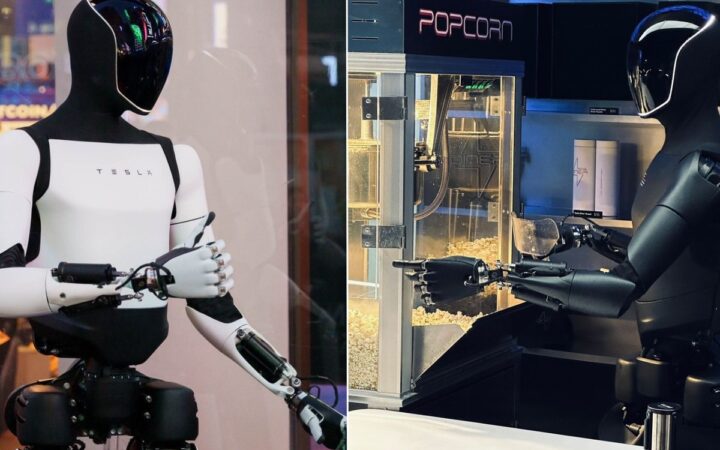
That shift is happening alongside rapid investment in humanoid robotics by both startups and major technology companies. Firms including Tesla, Figure AI, Apptronik and several Chinese robotics developers are racing to build machines capable of performing real-world tasks.
For governments, the implications extend beyond education. Humanoid robots are frequently discussed as future tools for industries such as logistics, healthcare, manufacturing and home services.
At the summit, speakers emphasized that technological optimism must be balanced with safeguards around safety, child protection and responsible use.
AI Education as Strategic Policy
Beyond the robotics demonstration, the summit highlighted the increasing geopolitical importance of AI education.
Participants discussed how artificial intelligence could influence economic growth, workforce development and national competitiveness. Several speakers argued that expanding access to AI education will be critical for preparing younger generations for a technology-driven economy.
The summit also emphasized collaboration between governments and the private sector, with technology companies playing a central role in developing the platforms and infrastructure that underpin AI systems.
For robotics developers, the event signals that humanoid systems are beginning to move from research labs and technology conferences into the realm of public policy.
Whether humanoid robots ultimately become common tools in education remains uncertain. But their appearance at a diplomatic gathering in Washington illustrates how quickly the conversation around artificial intelligence is shifting from software to machines designed to operate alongside humans.
Disclaimer: RobotsBeat is an independent media brand owned and operated by NuvexMedia LLC, publishing news, research, and insights on artificial intelligence, emerging technologies, automation, and related industries. NuvexMedia LLC invests in and collaborates with companies across the AI, Robotics, technology, software, and digital innovation sectors. These relationships do not influence RobotsBeat's editorial coverage, and the publication maintains full editorial independence to provide accurate, timely, and objective information. © 2026 NuvexMedia LLC. All rights reserved. This content is for informational purposes only and should not be considered legal, tax, investment, financial, or other professional advice.