
The Hefei Metro system in eastern China has introduced a network of robot dogs, drones, and AI-powered service robots as part of a broader initiative to modernize urban rail operations. The deployment represents one of the most visible examples of robotics being integrated into public transit infrastructure to improve safety, inspection efficiency, and passenger services.
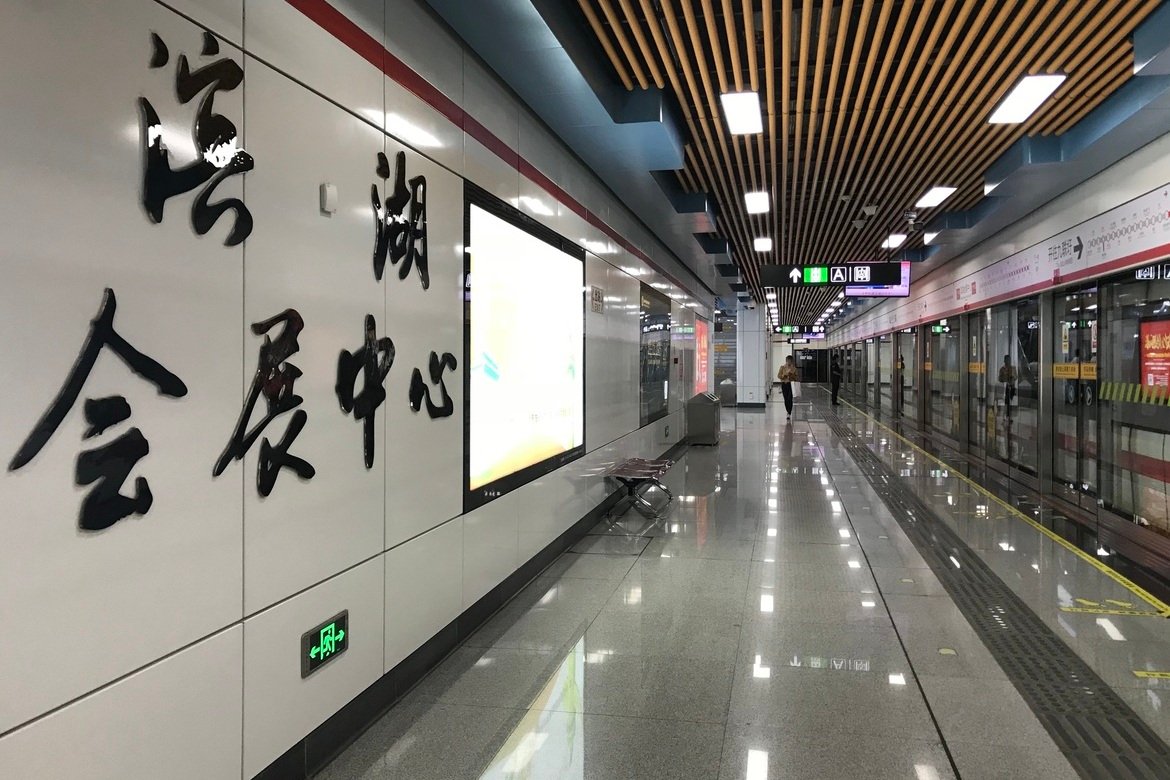
The autonomous systems now operate across stations and tunnels in Hefei’s metro network, assisting human staff with tasks ranging from security patrols to infrastructure inspections. City authorities say the program aims to improve operational reliability and reduce the risk of accidents in one of the region’s busiest transport systems.
The initiative reflects a broader shift toward robotics-driven infrastructure management as cities adopt smart technologies to handle growing urban populations.
Robot Dogs and Drones Automate Inspection Tasks
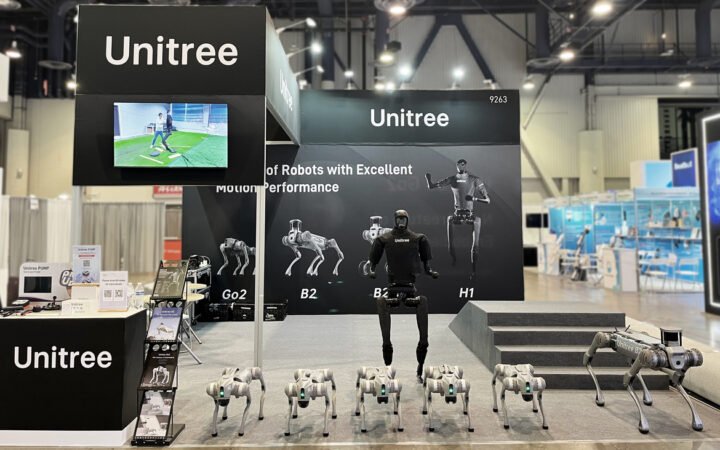
Among the most prominent additions to the metro system are quadruped robot dogs equipped with cameras and environmental sensors. These machines patrol station platforms and corridors, scanning for obstacles, safety hazards, and abnormal conditions.
Unlike traditional human patrols, the robots can operate continuously and monitor multiple areas simultaneously. Their sensors allow them to identify potential issues such as objects left on platforms or equipment anomalies that could affect operations.
Drones are also being used to inspect tunnels and track infrastructure. Flying inspection systems can access areas that are difficult or dangerous for workers to reach, capturing visual and sensor data used to assess equipment conditions and detect potential maintenance problems.
Together, the robotic systems form what metro officials describe as a “robot cluster” supporting operational safety and infrastructure monitoring.
Robotics Expands into Public Transportation Infrastructure
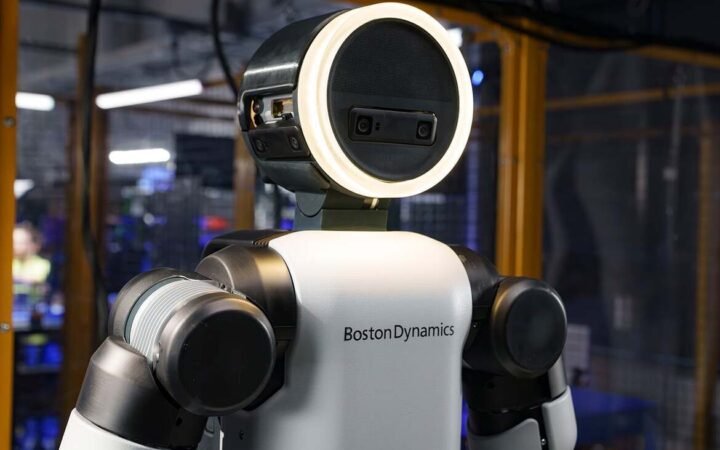
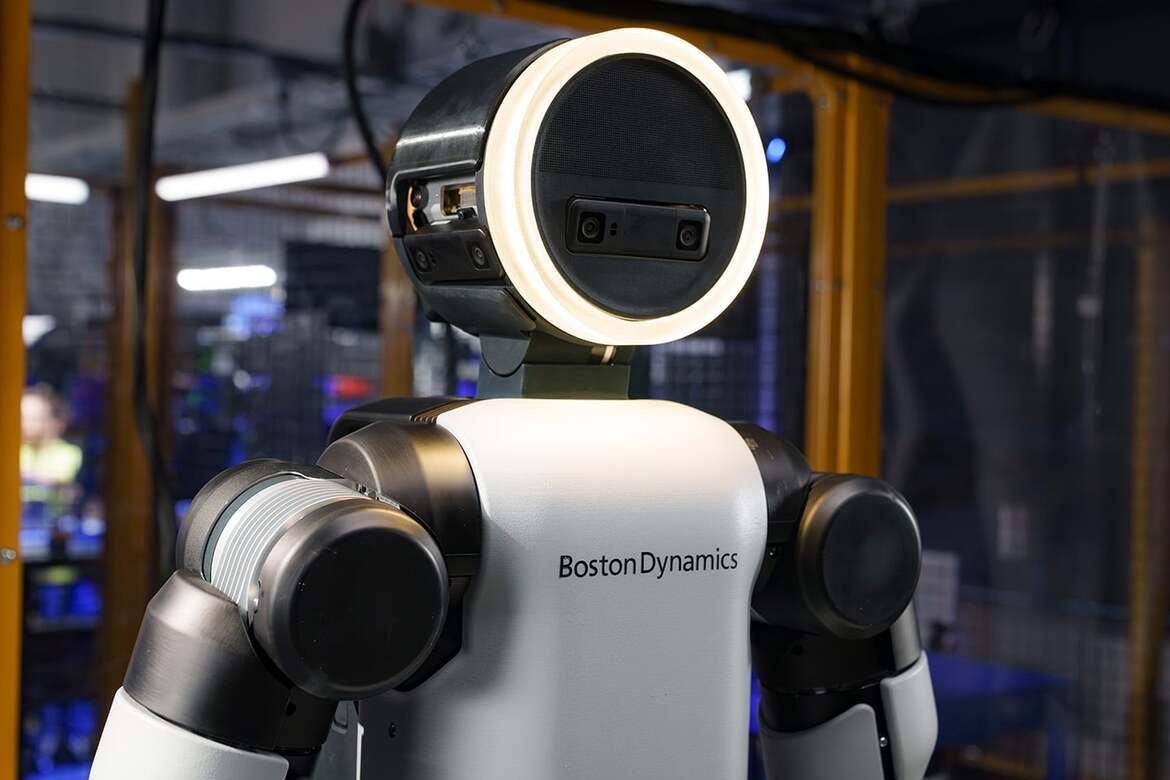
In addition to inspection robots, Hefei Metro has introduced humanoid service robots that interact with passengers. These robots provide directions, answer questions, and assist commuters navigating stations.
The deployment illustrates how robotics can support both operational tasks and customer service in public infrastructure. While robots handle routine inspections and monitoring, human staff remain responsible for supervision, emergency response, and complex operational decisions.
Such systems are particularly valuable during peak travel periods, including major holiday travel surges, when passenger volumes increase dramatically.
By automating routine monitoring tasks, metro operators can allocate personnel more efficiently while maintaining high safety standards.
Smart Transit Systems Become a Key Urban Technology
Hefei’s robotics deployment is part of a broader push to integrate artificial intelligence, sensors, and data analytics into public transport networks. Smart metro systems increasingly rely on predictive maintenance, real-time monitoring, and automated inspection technologies to maintain reliability and reduce disruptions.
Data collected by robots and sensors can be analyzed to identify early signs of equipment wear or operational anomalies, allowing maintenance teams to address problems before they lead to service interruptions.
These capabilities are becoming increasingly important as urban rail networks expand and passenger demand continues to grow.
Cities around the world are exploring similar technologies as part of broader smart city initiatives designed to improve infrastructure efficiency and safety.
Robotics Moves into Everyday Urban Infrastructure
The Hefei Metro project highlights how robotics is gradually becoming embedded in everyday public systems rather than remaining confined to industrial environments. From transportation and utilities to construction and maintenance, robots are increasingly being used to monitor and manage complex infrastructure.
For urban transit networks, robotics offers the ability to improve safety while reducing operational costs and manual inspection requirements.
Hefei’s deployment provides an early example of how multiple types of robots – including quadrupeds, drones, and humanoids – can work together within a coordinated infrastructure system.
As cities continue to modernize their transportation networks, robotics and AI are likely to play a growing role in ensuring that critical infrastructure remains safe, efficient, and capable of supporting expanding urban populations.