LG Electronics is accelerating its entry into the robotics industry with a strategy that focuses not only on building robots but on manufacturing the critical components that make them move.
At its annual shareholder meeting in Seoul, CEO Ryu Jae-cheol outlined the company’s roadmap for the coming decade, placing robotics at the top of five key growth sectors that also include AI data centers, cooling systems, smart factories, and AI-enabled homes.
The announcement signals a shift in LG’s broader strategy. Rather than simply expanding its consumer electronics portfolio, the company is positioning itself as a supplier of core infrastructure for the emerging robotics economy.
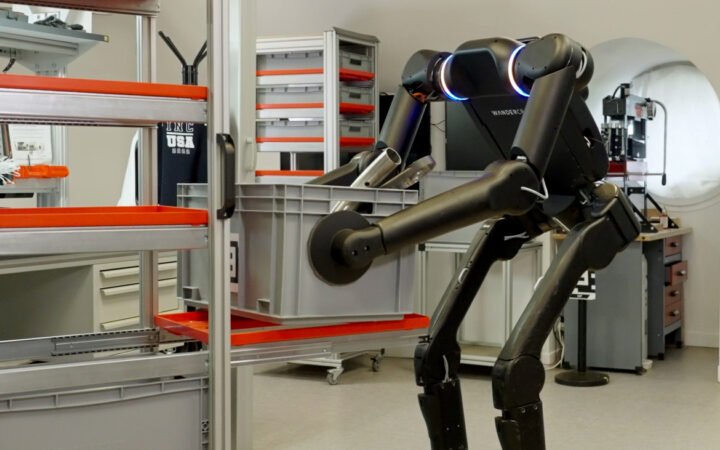
Central to that strategy is a focus on robot actuators – the components responsible for generating movement and precision in robotic systems.
Competing Where the Real Value Is
Actuators function as the mechanical “muscles” of a robot, translating electrical signals into controlled motion. They determine how precisely a robot can move, how much weight it can lift, and how efficiently it operates.
In many robotic systems, actuators account for a large portion of total manufacturing costs. Because of their technical complexity, they also represent one of the most strategically valuable parts of the robotics supply chain.
LG plans to begin designing and producing these components internally, with mass production expected to start within the year.
The move allows the company to enter a part of the robotics industry where barriers to entry are high but long-term margins can be attractive. While the market for finished robots is becoming increasingly crowded, the market for advanced robotic components remains relatively concentrated.
Industry forecasts suggest the global actuator market could reach about $23 billion by 2030, making it a potentially significant revenue stream for companies capable of producing high-performance systems at scale.
Building a Robotics Ecosystem
LG’s robotics ambitions extend beyond component manufacturing.
The company has been actively forming partnerships across the robotics sector to strengthen its position within the global ecosystem. One example is its investment in Chinese humanoid robotics developer AgiBot, with whom LG executives have discussed potential collaboration.
These partnerships are intended to provide both technological insight and potential customers for LG’s actuator systems.
By supplying core components to multiple robotics manufacturers, LG could gain influence across the industry without relying solely on its own robot platforms.
This approach mirrors strategies used by companies in other technology sectors, where component suppliers often capture significant value within complex hardware ecosystems.
From Industrial Components to Consumer Robots
While LG’s actuator initiative targets industrial robotics suppliers, the company also continues to develop its own robotic systems.
LG has already deployed service robots in hospitality and logistics environments, including machines designed for delivery and facility operations.
The next stage of development will likely involve consumer-facing robotics.
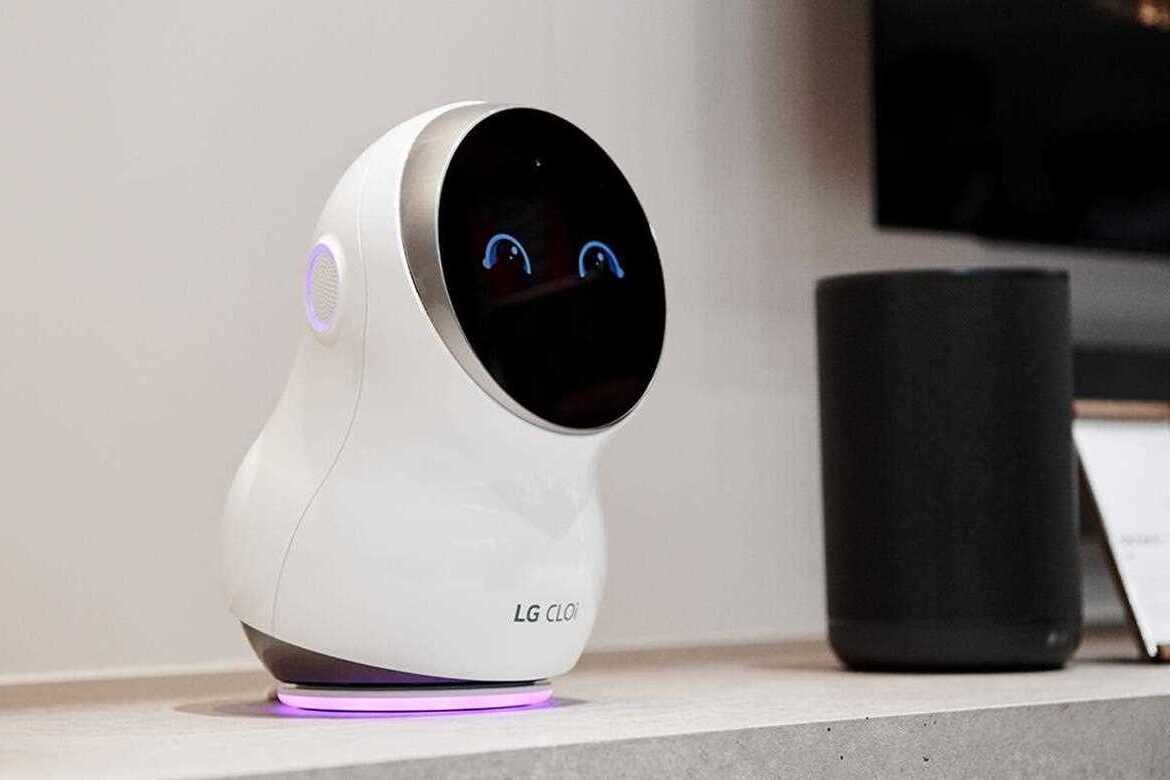
The company is currently testing its CLOi home robot, a platform intended to assist with tasks in smart home environments. Commercial availability could follow after 2026, depending on technological readiness and market demand.
For LG, the strategy appears to follow a clear sequence: first secure a position within the industrial robotics supply chain, then expand into service robotics and eventually consumer markets.
Robots as Infrastructure
The company’s pivot toward robotics reflects a broader industry trend in which AI is increasingly tied to physical systems.
As artificial intelligence moves from software into machines that interact with the physical world – factory robots, autonomous vehicles, service robots – the importance of hardware components such as actuators, sensors, and edge computing platforms is rising.
LG’s bet is that the real value in robotics may lie less in the visible machines and more in the foundational technologies that power them.
By developing those technologies internally, the company aims to position itself as a central supplier within the emerging physical AI economy.