CES 2026: Caterpillar and NVIDIA Push Physical AI Into Heavy Industry
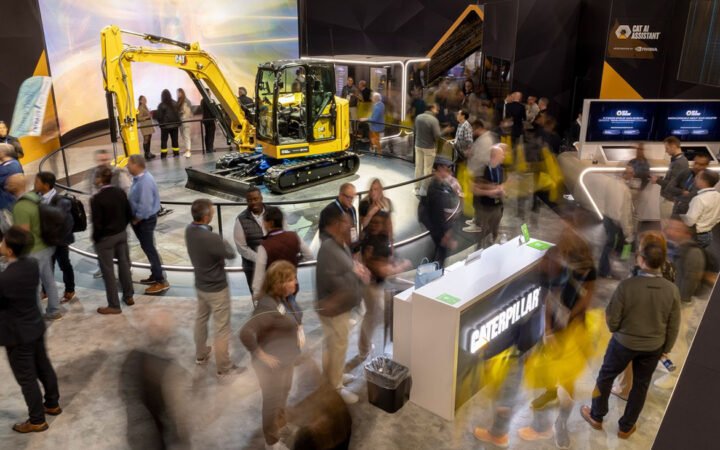
Caterpillar and NVIDIA deepened their partnership at CES 2026, outlining how Physical AI will transform construction, mining, manufacturing, and industrial supply chains.
Digital twins and simulation technologies create virtual representations of physical systems such as robots, factories, and infrastructure. This topic explores how simulated environments are used to design, test, train, and optimize AI-driven systems before deployment. Digital twins help reduce risk, accelerate development, and improve performance by enabling large-scale experimentation in virtual settings. The topic also covers physics-based simulation, synthetic data generation, and real-to-virtual feedback loops. As physical systems grow more complex, digital twins are becoming essential tools for scalable AI and robotics development.
Caterpillar and NVIDIA deepened their partnership at CES 2026, outlining how Physical AI will transform construction, mining, manufacturing, and industrial supply chains.
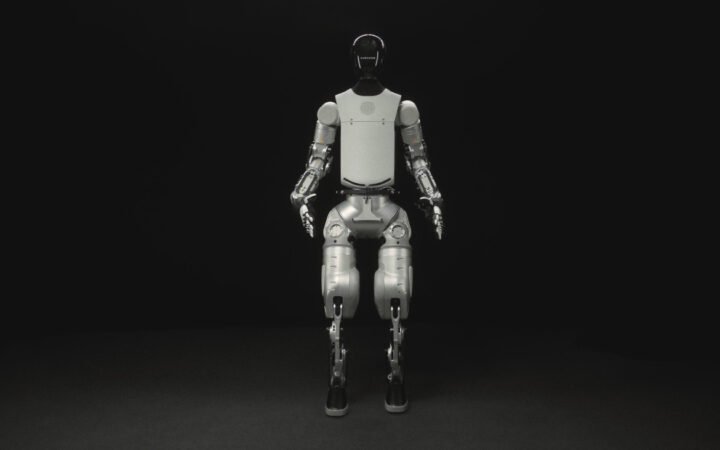
London-based startup Humanoid moved from concept to a functional alpha prototype of its HMND 01 robot in seven months, compressing a development cycle that typically takes up to two years.