
Rivian-Founded Mind Robotics Secures $500 Million for Industrial AI
Mind Robotics, a startup spun out of electric vehicle maker Rivian, has raised $500 million to develop AI-powered industrial robots designed for more adaptable factory automation.
Physical AI refers to artificial intelligence systems that perceive, reason, and act in the physical world through sensors, actuators, and embodied control. Unlike purely digital AI, Physical AI connects software intelligence with real-world interaction, enabling robots, autonomous machines, and smart devices to move, manipulate objects, and respond to dynamic environments. This topic covers perception, motion planning, control systems, and learning-based behaviors used in robotics, autonomous vehicles, and industrial automation. It also explores simulation, digital twins, and real-world training methods that bridge the gap between virtual models and physical execution. As AI increasingly leaves the screen and enters the real world, Physical AI represents a critical foundation for scalable, intelligent machines operating outside controlled environments.
Mind Robotics, a startup spun out of electric vehicle maker Rivian, has raised $500 million to develop AI-powered industrial robots designed for more adaptable factory automation.
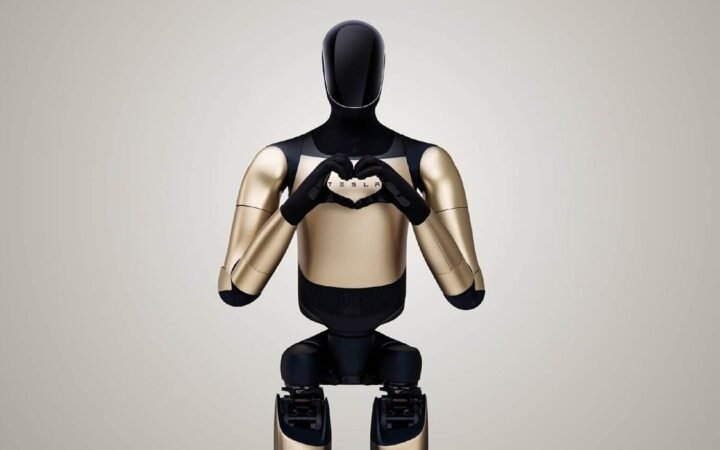
Tesla has teased a new generation of humanoid robot hands for Optimus, suggesting the company is focusing on improved dexterity as it develops its next iteration of the humanoid platform.
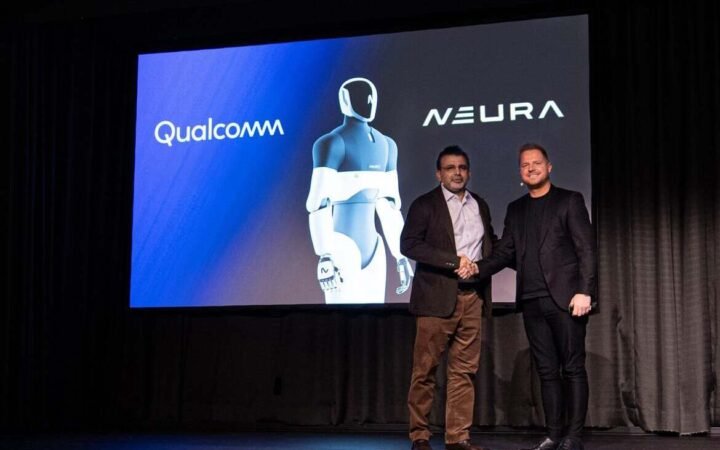
Qualcomm and NEURA Robotics have announced a strategic collaboration to develop next-generation robotics platforms, combining edge AI processors with full-stack robotics systems to accelerate the deployment of cognitive robots.
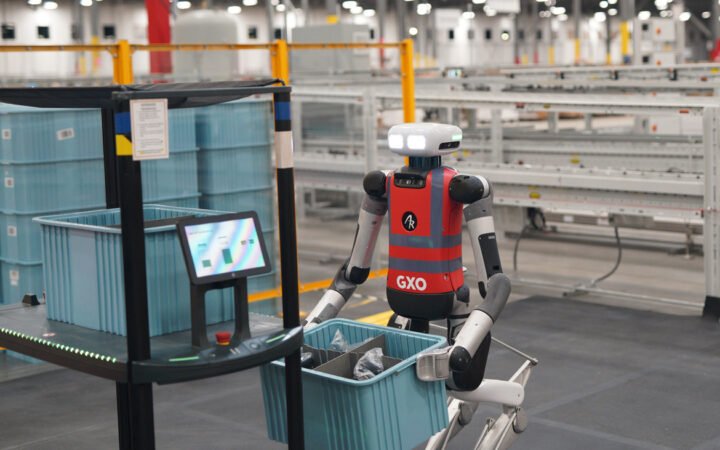
Agility Robotics has rebranded as Agility, signaling plans to expand beyond its current humanoid robot deployments as competition accelerates across the global humanoid robotics market.

Caitlin Kalinowski, head of OpenAI’s robotics and hardware group, has resigned after raising concerns about the company’s agreement to make its AI systems available within U.S. Department of Defense computing environments.
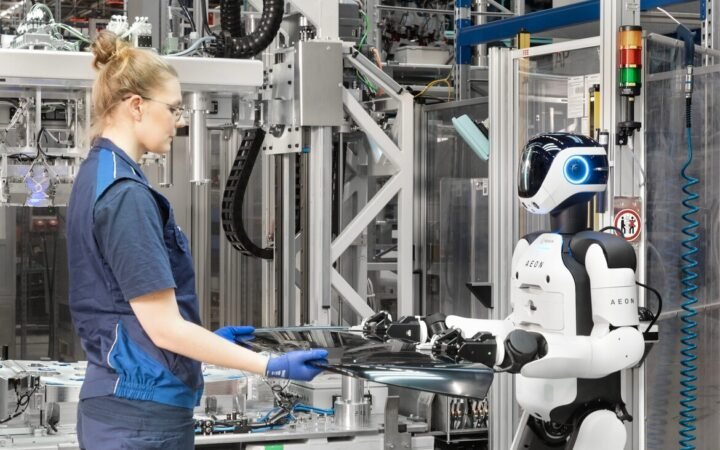
BMW has launched its first humanoid robot pilot project in Germany at its Leipzig plant, testing how AI-driven machines can support workers in battery assembly and logistics tasks on the factory floor.
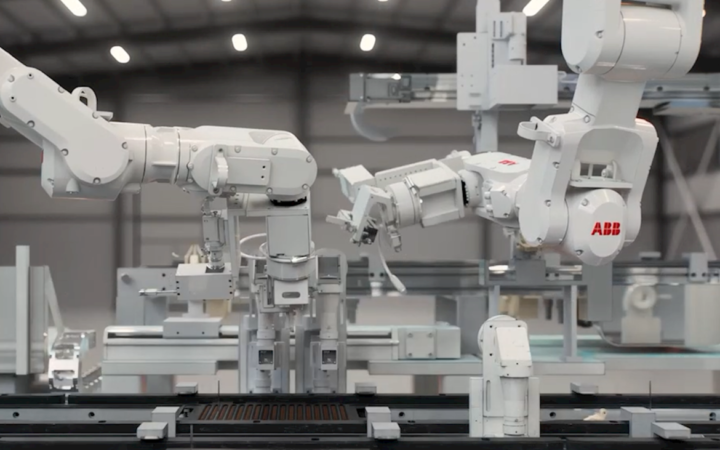
ABB Robotics is integrating NVIDIA Omniverse simulation technology into its RobotStudio platform to train factory robots using synthetic data and digital twins, aiming to close the long-standing gap between virtual training and real-world deployment.
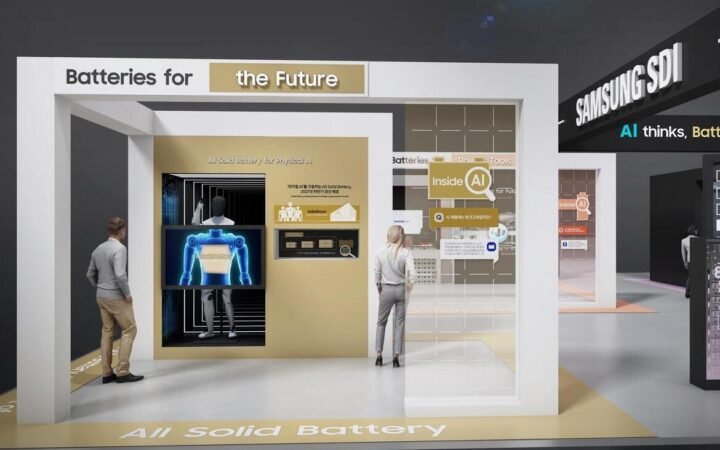
Samsung SDI plans to showcase a pouch-style all-solid-state battery designed for humanoid robots at InterBattery 2026 in Seoul, signaling a push to adapt next-generation battery technology for physical AI systems.
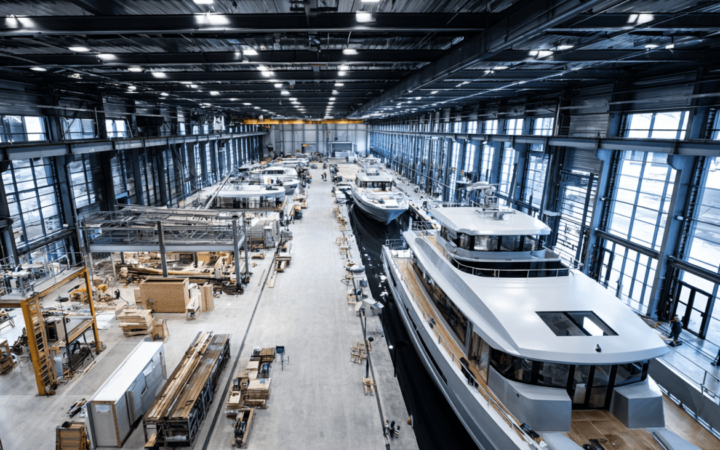
Italian startup Mirai Robotics has raised $4.2 million in pre-seed funding to develop autonomous maritime systems, aiming to deploy fleets of robot ships for security, monitoring, and commercial operations.
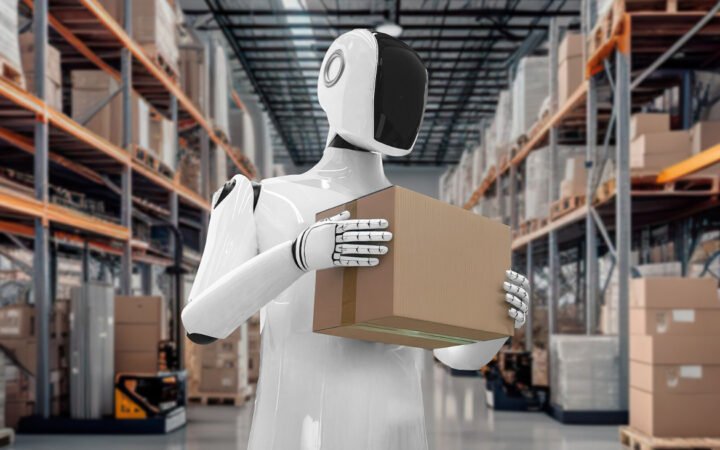
Texas Instruments and NVIDIA are expanding their collaboration to accelerate robots and other physical AI systems by combining advanced sensing, power electronics, and AI computing platforms.