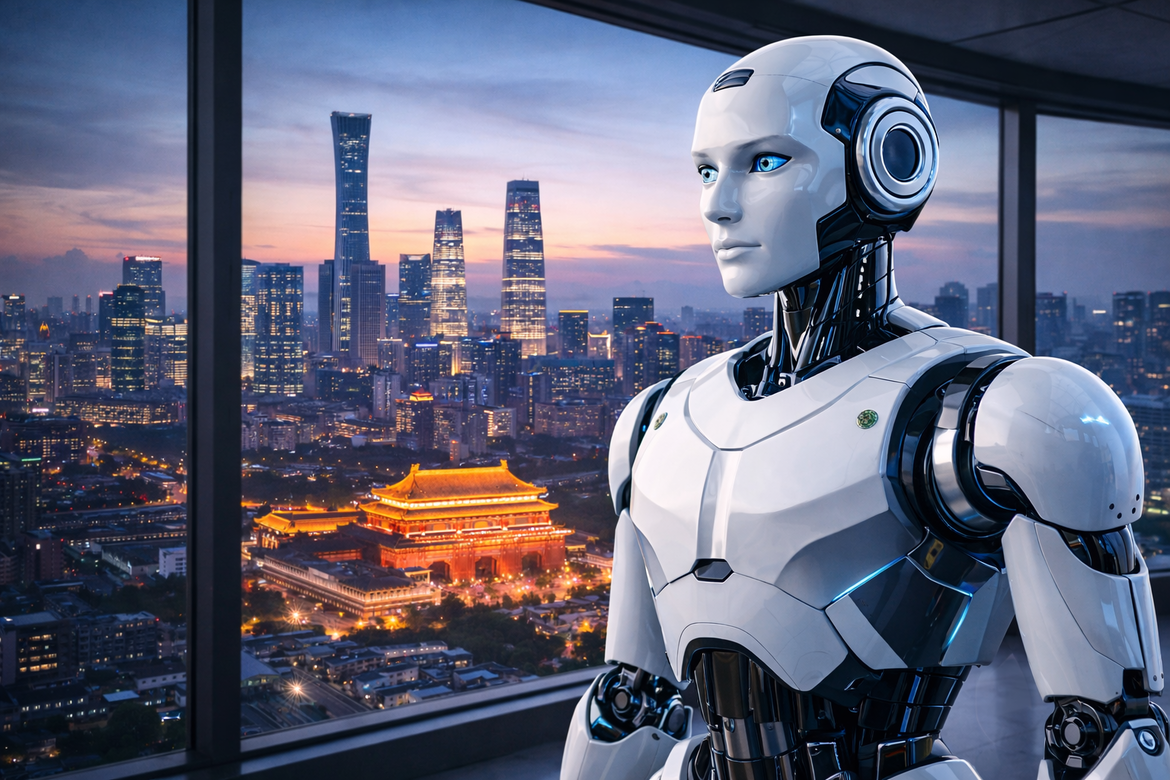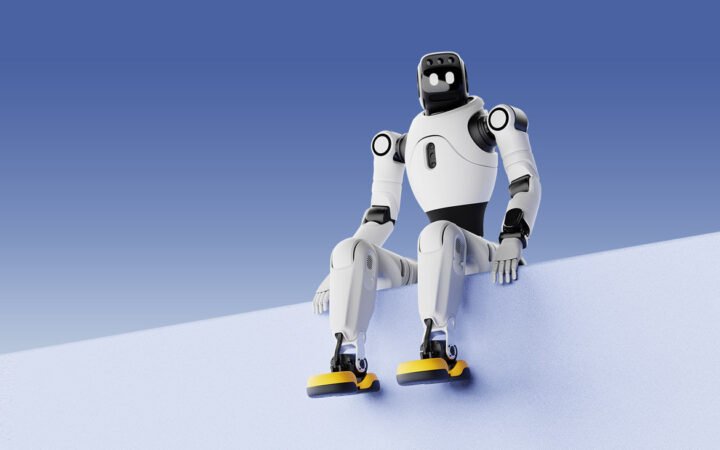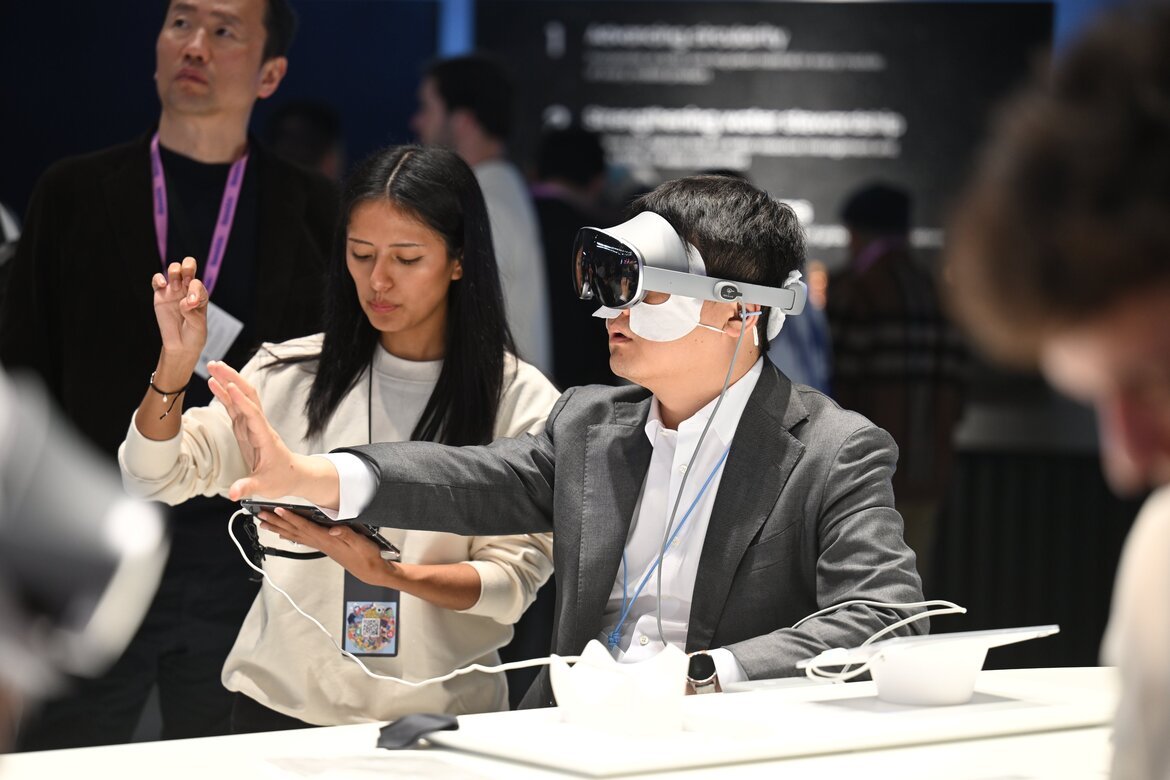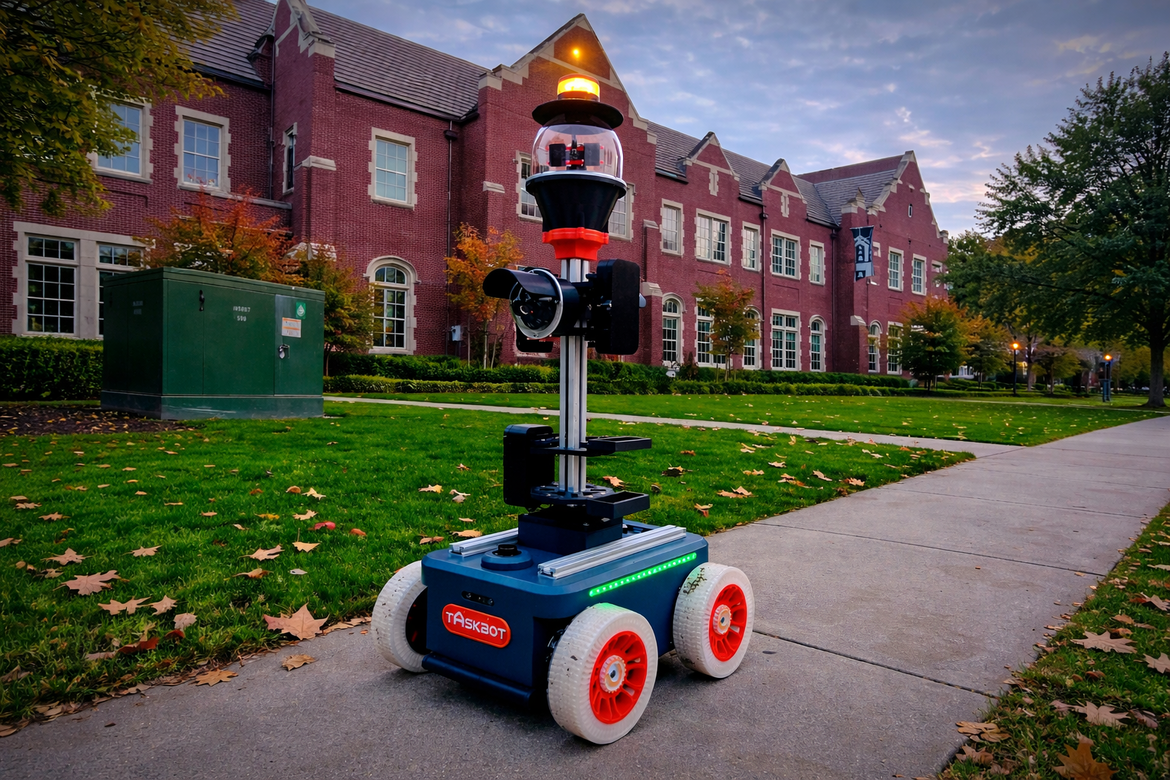
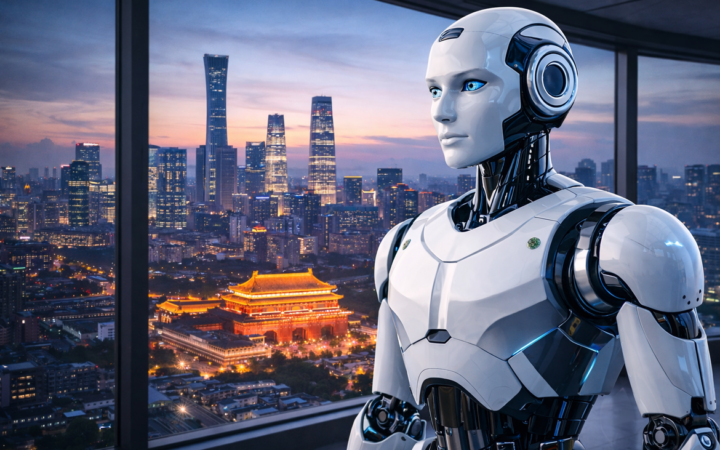
Xiaomi is preparing to launch a new robotics product later this year as the Chinese technology company accelerates its push into artificial intelligence, chips, and embodied robotics. The upcoming device is expected to integrate Xiaomi’s self-developed semiconductor technology, proprietary operating system, and large AI models into a unified robotics platform.
The announcement signals a deeper commitment to robotics as part of Xiaomi’s long-term technology strategy. Company executives believe humanoid robots could become a significant component of Xiaomi’s industrial operations within the next five years.
The move comes as China’s technology companies race to establish leadership in embodied AI – a field that combines artificial intelligence with machines capable of interacting with the physical world.
A Robotics Platform Built on In-House Technologies
Xiaomi’s robotics initiative is closely tied to its broader investment in core technologies. Over the past five years, the company has spent more than 100 billion yuan on research and development across areas including semiconductors, operating systems, and artificial intelligence.
Executives say the new robotics product will bring these technologies together in a single system. By integrating its own chips and software stack, Xiaomi aims to control key elements of the robotics platform while reducing reliance on external suppliers.
This approach mirrors strategies used by other technology companies seeking to build vertically integrated AI systems.
Last year, Xiaomi introduced its self-developed XRing O1 chip, which the company described as a major milestone in its semiconductor ambitions. The processor is part of a broader effort to strengthen China’s domestic technology capabilities amid global competition in advanced computing.
Robotics Becomes a New Battleground for Tech Companies
Xiaomi’s robotics ambitions place it in direct competition with other Chinese technology and automotive companies expanding into humanoid robotics.
Electric vehicle maker Xpeng is building a manufacturing base for humanoid robots and aims to begin large-scale production in the coming years. Meanwhile, Li Auto has reorganized its research structure to accelerate development of embodied intelligence and autonomous driving technologies.
Across the industry, companies are increasingly viewing robotics as the next major platform after smartphones and electric vehicles.
For Xiaomi, the robotics push builds on its existing expertise in consumer electronics and connected devices. The company’s leadership believes its ability to rapidly commercialize technologies could give it an advantage in bringing robots to market.
“Private technology companies have the advantage of being close to users and market demand,” founder and CEO Lei Jun said in a recent interview, emphasizing the importance of quickly transforming research breakthroughs into scalable products.
From Devices to Embodied AI Ecosystems
Xiaomi’s robotics strategy is also tied to its broader ecosystem of connected devices. The company already produces a wide range of consumer electronics, from smartphones and smart home devices to electric vehicles.
Integrating robotics into this ecosystem could enable new forms of interaction between AI systems and physical environments.
Humanoid robots, for example, could eventually connect with smart home devices, autonomous vehicles, and cloud-based AI services. Such integration would extend Xiaomi’s technology platform beyond screens and vehicles into real-world automation.
Executives have suggested that humanoid robots may eventually be deployed inside Xiaomi’s own manufacturing facilities. If successful, robots could handle repetitive assembly tasks and logistics operations within the company’s factories.
Long-Term Bet on Core Technologies
Xiaomi recently announced plans to invest an additional 200 billion yuan over the next five years to accelerate research in foundational technologies such as semiconductors, operating systems, and artificial intelligence.
Robotics is expected to play a central role in this strategy as companies worldwide compete to develop machines capable of performing complex physical tasks.
While the commercial market for humanoid robots remains in its early stages, the increasing number of companies investing in the technology suggests that embodied AI may become one of the next major platforms in the global technology industry.
Xiaomi’s upcoming robot launch will offer an early indication of how consumer electronics companies plan to translate their expertise in chips, software, and AI into physical machines.