Hyundai Motor’s labor union has voted 92 percent in favor of authorizing a strike, with 39,668 members participating in the June 24 ballot. The vote followed 11 failed rounds of wage negotiations and marks the first time in the union’s history that humanoid robot deployment protections appear as a formal negotiating demand alongside traditional wage and bonus items. No walkout has yet been called. The union’s Central Strike Countermeasure Committee is expected to convene June 30 to set an action schedule, with the strike authorization functioning as leverage in continuing talks.
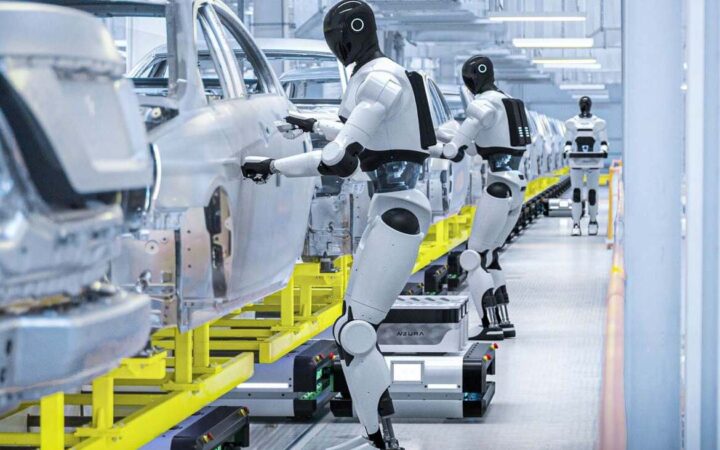
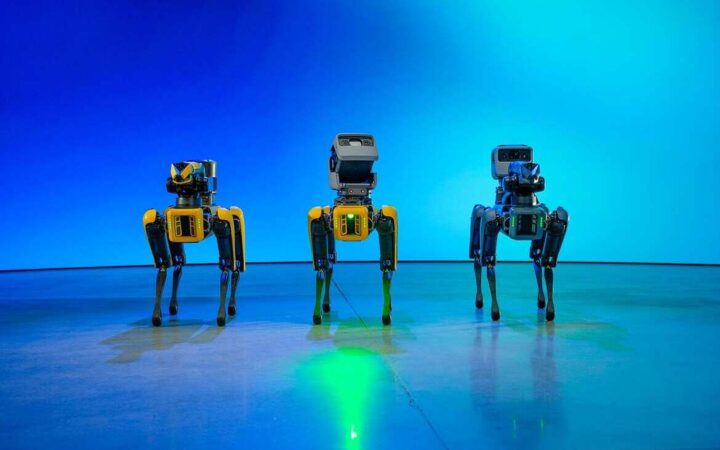
The robot governance demand centers on Boston Dynamics’ Atlas humanoid platform. Hyundai controls Boston Dynamics and has committed to building up to 30,000 Atlas units annually by 2028, with more than 25,000 destined for its own Hyundai and Kia plants. The union has stated that no humanoid robots will be permitted on production lines without a formal labor-management agreement, a demand that amounts to a veto over the deployment schedule. The union estimates each robot costs less than two years of a worker’s wages, framing the technology as a replacement candidate rather than a supplemental tool, an interpretation Hyundai disputes.
Beyond the robotics clause, the union is also pursuing significant compensation demands, including a monthly base pay increase of 149,600 won, equivalent to roughly $97, a performance bonus equal to 30 percent of last year’s net profit, an increase in standard bonuses from 750 percent to 800 percent, and an extension of the retirement age to 65. The combined demands position the dispute as a test case for how organized labor responds to large-scale humanoid robot deployment plans, particularly at companies that both manufacture and consume the technology.
The standoff arrives against a backdrop of rapid demographic change in South Korea, where carmakers argue that robots will fill labor gaps created by an aging workforce. The union counters that Atlas deployment is primarily cost-driven rather than capacity-driven. The dispute resembles earlier tensions at Samsung and broader Korean industrial trends, and tests the government’s position that AI and automation gains should benefit workers rather than only shareholders. For the wider robotics industry, the case signals that labor governance, not only technical integration or unit economics, is becoming a critical gate for humanoid deployment at industrial scale. The outcome of the June 30 committee meeting and any subsequent agreement will shape how aggressively Hyundai can pursue its 2028 Atlas deployment timeline.
Disclaimer: RobotsBeat is an independent media brand owned and operated by NuvexMedia LLC, publishing news, research, and insights on artificial intelligence, emerging technologies, automation, and related industries. NuvexMedia LLC invests in and collaborates with companies across the AI, Robotics, technology, software, and digital innovation sectors. These relationships do not influence RobotsBeat's editorial coverage, and the publication maintains full editorial independence to provide accurate, timely, and objective information. © 2026 NuvexMedia LLC. All rights reserved. This content is for informational purposes only and should not be considered legal, tax, investment, financial, or other professional advice.