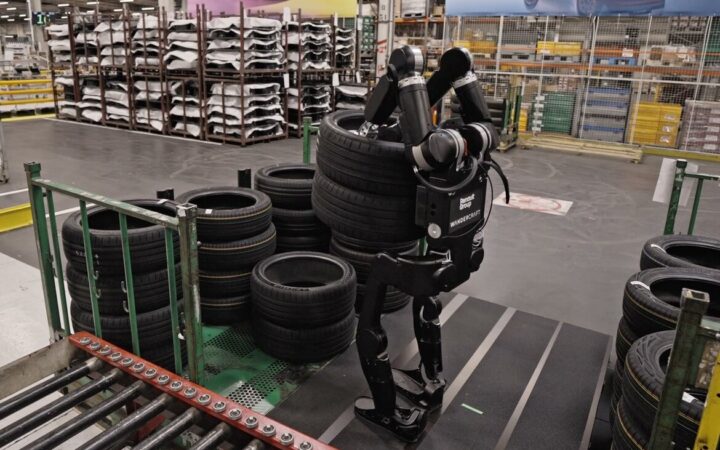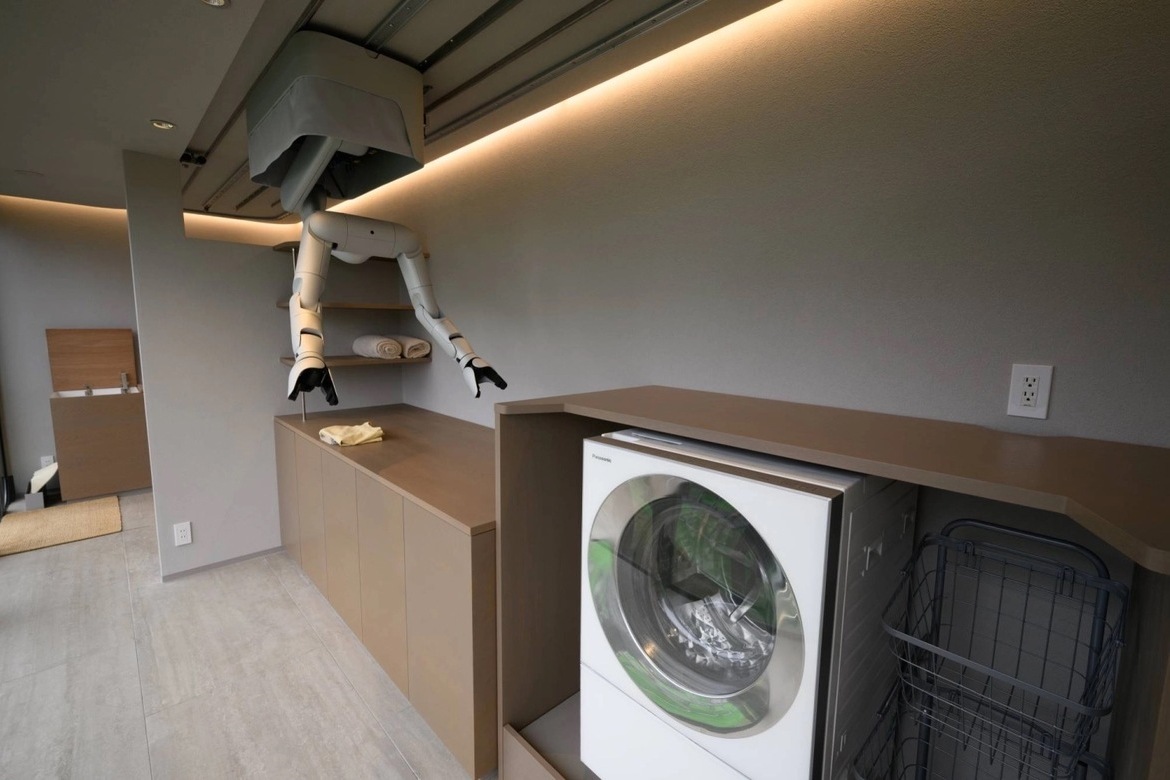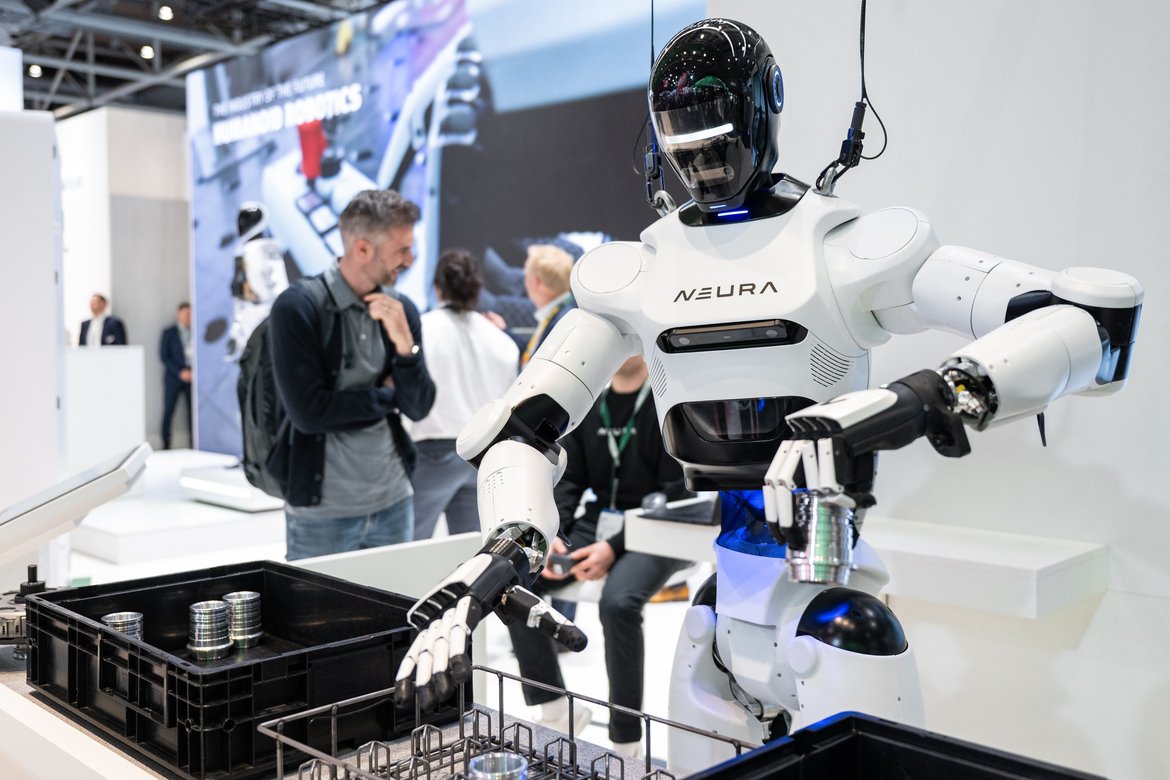

Physical AI – artificial intelligence embedded in systems that interact with and manipulate the physical world – dominated the conversation at Hannover Messe 2026 in Hanover, Germany, as manufacturers and robotics companies from across Europe and China demonstrated industrial-grade robots to an audience of more than 3,000 exhibitors. For Germany’s industrial sector, which has faced compounding pressures from high energy costs, weak demand, and skilled labor shortages, the event served as both a showcase and a challenge.
German Chancellor Friedrich Merz attended the fair and visited the stand of Agile Robots, a Munich-based startup founded by Chinese entrepreneur Zhaopeng Chen. In a speech at the event, Merz called for AI to be embedded in key industrial sectors and specifically in small- and medium-sized enterprises, describing it as the path toward “industrial added value and high-quality jobs.”
Agile Robots and the Industrial Focus
Agile Robots demonstrated a humanoid robot performing precision manipulation tasks – opening boxes, handling tools – at the fair. CEO Rory Sexton said the company plans to begin fitting out German factories, with a particular focus on the automotive sector, from next year.
Sexton drew a deliberate contrast between demonstration-oriented robotics and industrial deployment. Rather than showcasing martial arts or dance routines, Agile Robots is targeting value-added manufacturing tasks such as electronic wiring in cars and phone assembly. “We’ll soon be able to do what they are doing,” Sexton said of Chinese competitors, while arguing that Germany’s ecosystem of mechanical engineering suppliers and deep automation expertise gives European players structural advantages in industrial AI.
China’s Presence and Germany’s Gap
Chinese manufacturers including Unitree were present at the fair in significant numbers, continuing a pattern from previous years. Merz had witnessed Chinese humanoid robot demonstrations during a visit to China in February – including displays of robots performing kung fu and boxing – and acknowledged the pace of Chinese development publicly.
The competitive gap in humanoid robot manufacturing is widely recognized. A survey by German digital business association Bitkom found that 58% of industrial firms believe humanoid robots could help address skilled labor shortages – a number that reflects both the scale of the problem and the industry’s openness to robotic solutions.
Data Advantage and Its Limits
Antonio Krueger, head of the German Research Centre for Artificial Intelligence, argued that Germany holds a data advantage that is frequently underestimated. “This is something we have at a level of quality far superior to the United States or China,” he said, referring to the depth of industrial operational data accumulated across German factories over decades.
Critics counter that this data remains fragmented and underutilized, with no coordinated national strategy to aggregate it into AI training pipelines that could accelerate development at scale. The gap between data availability and data accessibility is one of the central structural challenges German industrial AI faces.
Skepticism was also present at the fair. Jochen Heinz, an executive at German factory machinery manufacturer SW Machines, cautioned that AI systems can produce errors in industrial settings – providing misleading repair instructions or generating false fault detections. “With AI, I also see the dark side of the force,” he said. For manufacturers operating precision equipment where errors carry real costs, those concerns are not easily dismissed.
Disclaimer: RobotsBeat is an independent media brand owned and operated by NuvexMedia LLC, publishing news, research, and insights on artificial intelligence, emerging technologies, automation, and related industries. NuvexMedia LLC invests in and collaborates with companies across the AI, Robotics, technology, software, and digital innovation sectors. These relationships do not influence RobotsBeat's editorial coverage, and the publication maintains full editorial independence to provide accurate, timely, and objective information. © 2026 NuvexMedia LLC. All rights reserved. This content is for informational purposes only and should not be considered legal, tax, investment, financial, or other professional advice.