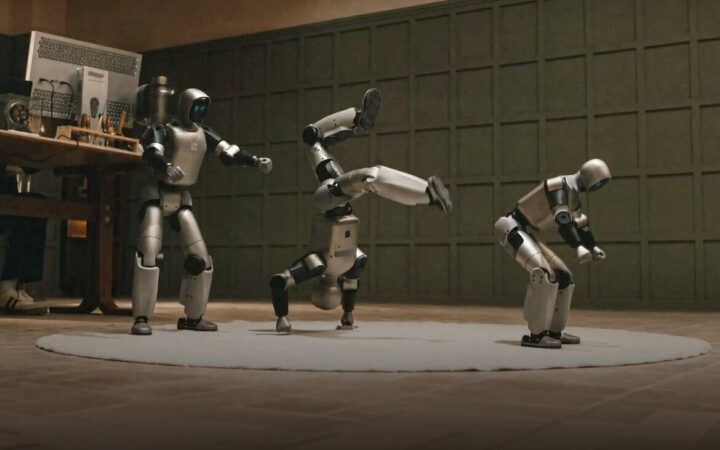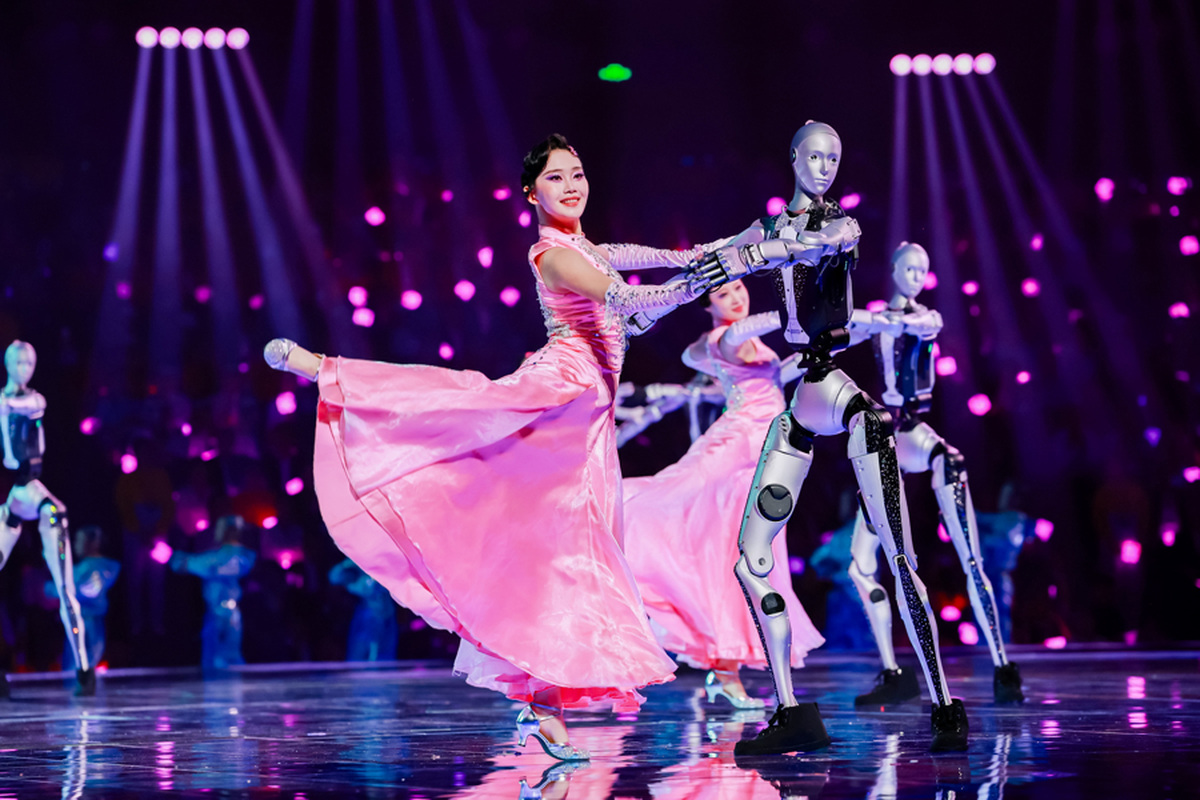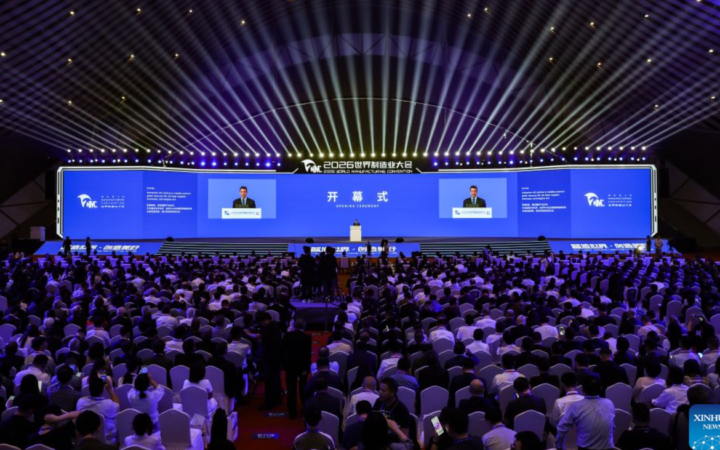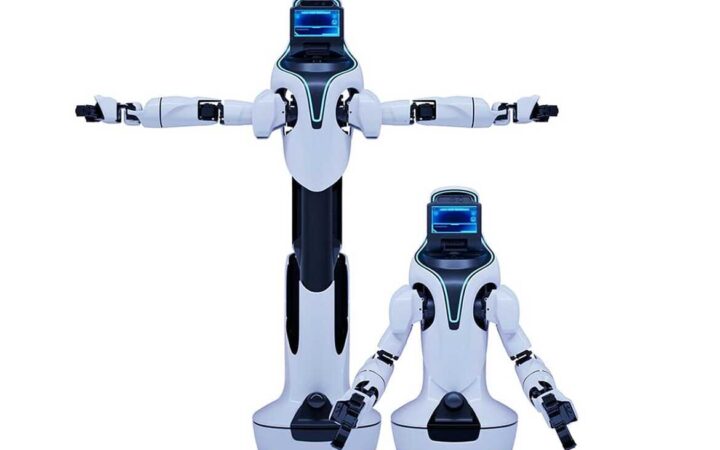

Morgan Stanley has upgraded its China humanoid robot shipment forecast to 50,000 units for 2026, nearly doubling its previous projection of 28,000 and marking the second upward revision this year. The bank had already doubled its initial January forecast of 14,000 units earlier in 2026. The revisions reflect a commercial deployment pace in China that has consistently outrun the bank’s expectations since the start of the year.
“Commercial verification, policy support, and supply-chain feedback point to faster humanoid adoption in China,” said Sheng Zhong, equity analyst at Morgan Stanley, in a note published Tuesday.
The Market Trajectory
Morgan Stanley estimates China’s humanoid robot market will reach $2 billion this year and grow to $15 billion by 2030, with annual shipments reaching 446,000 units by then. The forecast covers only external sales, excluding units produced for prototypes, pre-order trials, or internal use – a methodological distinction that makes the figures conservative relative to total production volumes.
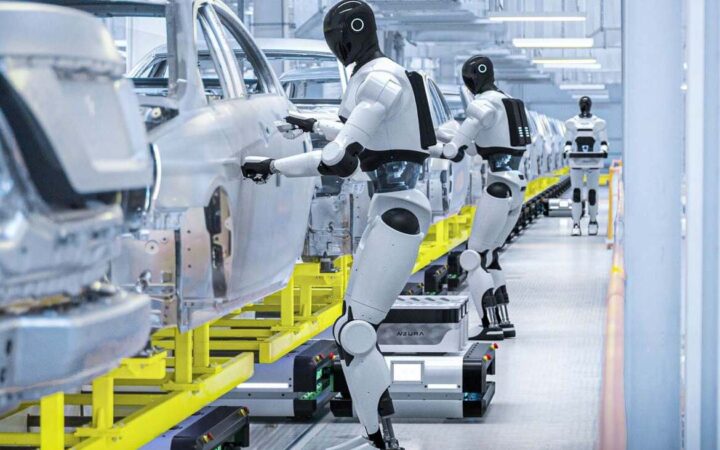
Supply chain field research by the bank identified factory and logistics settings as the primary near-term deployment environments, with unmanned retail stores and interactive commercial services representing additional rollout channels. The deployment picture across China now spans restaurant service, convenience store restocking, factory floor assembly, vehicle inspection, and traffic management – a breadth that was not present at the start of 2026.
Supply Chain Beneficiaries
Morgan Stanley named Leaderdrive, the Shanghai-listed precision robotic component manufacturer, as a major beneficiary of rising humanoid shipments, raising its 12-month target price to 464 yuan from 269 yuan. The Suzhou-based company supplies harmonic reducers and other precision components to domestic humanoid manufacturers including UBTECH and Galbot. The bank projects Leaderdrive could hold a 40% global market share this year and approximately 25% over the longer term.
The supply chain concentration visible in Leaderdrive’s position illustrates a broader structural point: China’s advantage in humanoid robotics is not solely a function of robot manufacturer count or government subsidies, but of the component supply chain depth that makes scaling production faster and cheaper than elsewhere.
The Competitive and Geopolitical Context
Approximately 13,000 humanoid robots were shipped worldwide in 2025, according to Omdia, with Chinese companies occupying the top five positions by shipment volume. Figure AI ranked seventh and Tesla ninth. Tesla CEO Elon Musk has said Optimus will not be available for public sale until the end of 2027.
Chinese robotics companies are accelerating international expansion alongside domestic growth. Seer Intelligent, a Shanghai-based robotics company that began trading in Hong Kong on Wednesday, generates 18% of its revenue from more than 65 countries. But geopolitical uncertainty and trade tensions remain the most significant structural headwind for Chinese manufacturers targeting overseas markets.
“If Washington treats the contest solely as a race to hit new capability benchmarks, it could lead in invention but fall behind in influencing where and how AI is used worldwide,” wrote Suzanne Nossel of the Chicago Council on Global Affairs in Foreign Policy this week – a framing that captures the competitive dynamic extending beyond hardware specifications into market adoption and technology ecosystem influence.
McKinsey Greater China chairman Joe Ngai described humanoid robotics as potentially the “next big frontier” for investors eyeing China’s tech development, noting that the industrial automation story has advanced largely below the radar of international attention. “If you go to any Chinese factory right now, there’s more automation and robotics that’s been deployed than anywhere else in the world,” he said at the World Economic Forum meeting in Dalian.
Disclaimer: RobotsBeat is an independent media brand owned and operated by NuvexMedia LLC, publishing news, research, and insights on artificial intelligence, emerging technologies, automation, and related industries. NuvexMedia LLC invests in and collaborates with companies across the AI, Robotics, technology, software, and digital innovation sectors. These relationships do not influence RobotsBeat's editorial coverage, and the publication maintains full editorial independence to provide accurate, timely, and objective information. © 2026 NuvexMedia LLC. All rights reserved. This content is for informational purposes only and should not be considered legal, tax, investment, financial, or other professional advice.