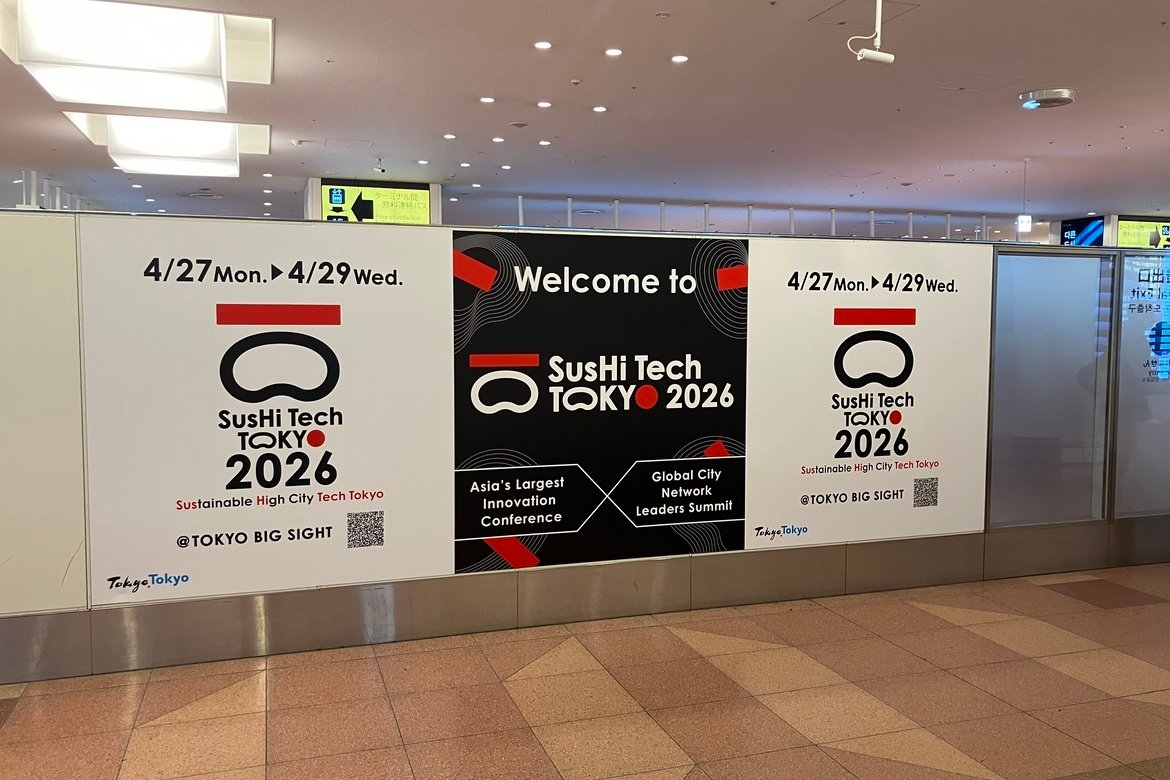
SusHi Tech Tokyo, Asia’s largest startup convention, opened Monday at Tokyo Big Sight in Koto Ward for its fourth annual edition, running April 27 to 29. The event features 770 exhibitions across four thematic areas – AI, robotics, resilience, and entertainment – and is expected to draw approximately 60,000 attendees over the three days, with the first two days reserved for business participants and Wednesday open to the general public.
Tokyo Governor Yuriko Koike opened the event Monday morning, framing the conference’s focus on sustainable urban technology against a backdrop of geopolitical volatility, climate disruption, and accelerating AI development. Prime Minister Sanae Takaichi joined Koike on stage in the afternoon to address the role of startups in driving national economic transformation.
Business Matching at Scale
The convention’s primary function is connecting startups with large corporations, institutional investors, and venture capital. Last year, approximately 6,000 business negotiations were facilitated through the event, with 45% of survey respondents reporting that conversations led to collaboration or funding outcomes. This year’s organizers are targeting 10,000 negotiations, supported by the introduction of an AI-powered business matching app that allows participants to connect directly through the platform and receive AI-generated recommendations for relevant contacts and companies.
The Tokyo Metropolitan Government has placed particular emphasis on drawing large Japanese corporations looking to actively engage with and invest in startups, alongside international investors seeking access to Japan’s technology ecosystem.
Robotics and AI on the Exhibition Floor
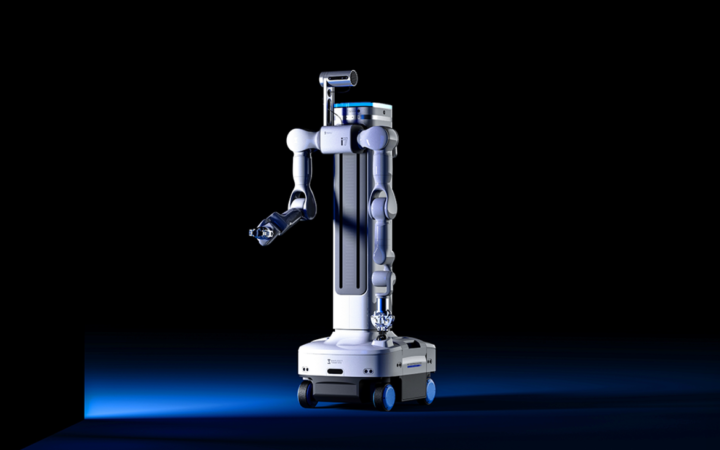
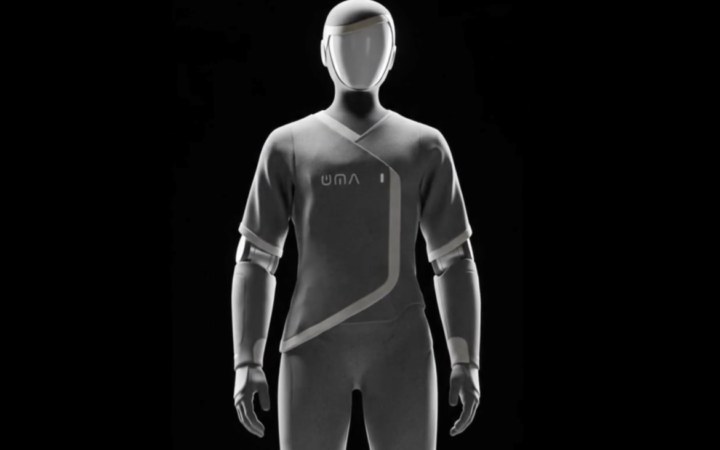
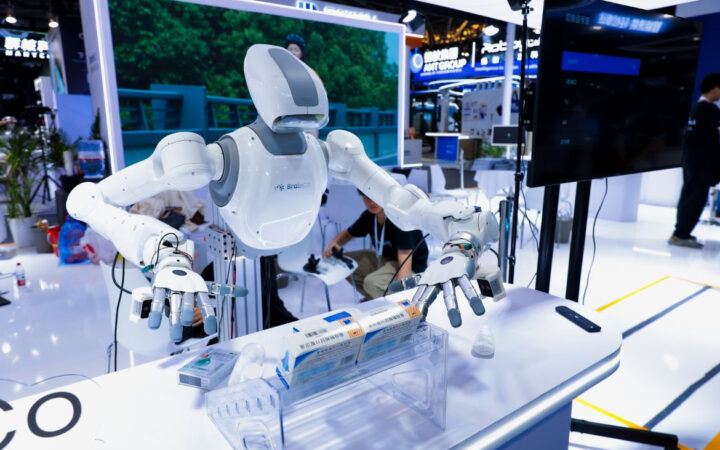
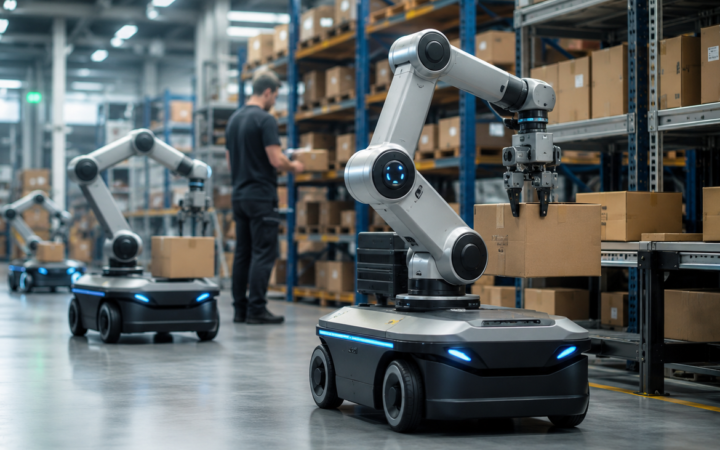
Robotics features prominently across the exhibition floor and panel program. Demonstrations include an anthropomorphic heavy machine designed for high-altitude work, reflecting Japan’s interest in deploying robotic systems in construction and infrastructure maintenance – sectors directly affected by the country’s labor shortage. Drone soccer demonstrations represent the entertainment and sports technology dimension of the robotics track.
The convention’s four-theme structure – AI, robotics, resilience, and entertainment – reflects Tokyo’s strategic priorities as it positions itself as a technology hub capable of competing with other global startup ecosystems. With 21 international city pavilions represented at the event, the organizers are also reinforcing the global dimension of the conference, providing Japanese startups with direct exposure to international capital and potential partners.
Of the 158 panel sessions scheduled over three days, a significant portion addresses AI and robotics applications in urban environments – a topic of particular urgency in Japan given the combination of record inbound tourism, a shrinking domestic workforce, and government pressure to accelerate automation across both public and private sector operations.