CES 2026: Caterpillar and NVIDIA Push Physical AI Into Heavy Industry
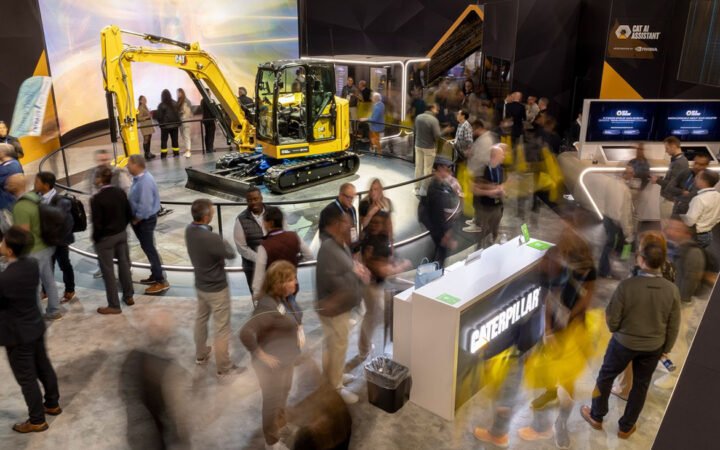
Caterpillar and NVIDIA deepened their partnership at CES 2026, outlining how Physical AI will transform construction, mining, manufacturing, and industrial supply chains.
Human-robot interaction examines how people and robots communicate, collaborate, and share physical and digital spaces. This topic covers interfaces, safety systems, behavioral design, and trust in human-machine collaboration. It also explores how robots are designed to work alongside humans in manufacturing, healthcare, and service environments. Effective interaction is critical for adoption, particularly as robots move out of isolated settings and into shared workspaces. As robots become more autonomous, human-robot interaction plays a central role in ensuring usability, safety, and acceptance.
Caterpillar and NVIDIA deepened their partnership at CES 2026, outlining how Physical AI will transform construction, mining, manufacturing, and industrial supply chains.
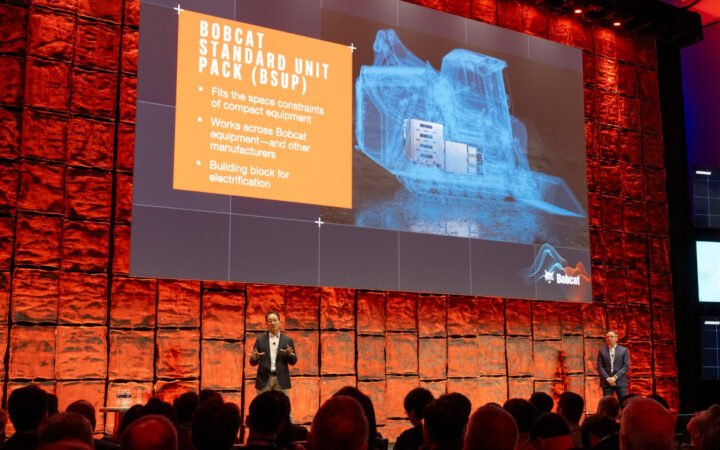
Doosan Bobcat introduced the RX3 autonomous concept loader and a suite of AI-powered jobsite technologies at CES 2026, signaling a shift toward smart, electrified construction equipment.
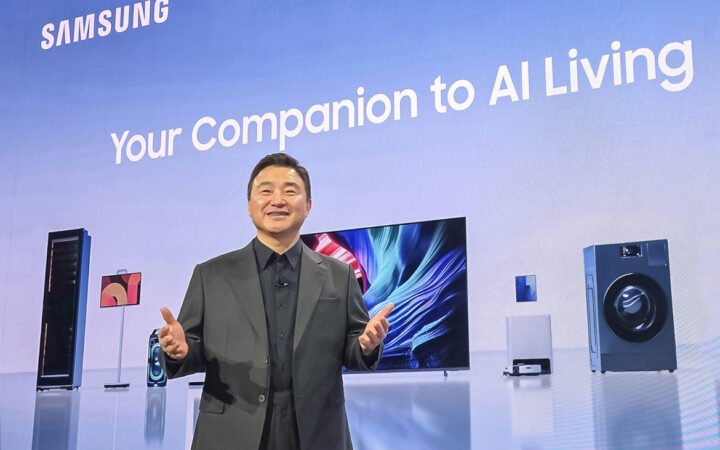
Samsung unveiled its “Companion to AI Living” vision at CES 2026, outlining how AI will connect entertainment, home appliances, health, and services into a unified ecosystem.
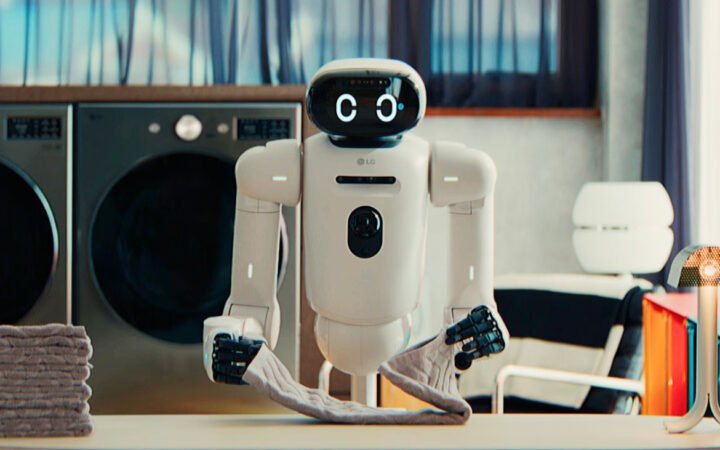
LG Electronics demonstrated its AI-powered CLOiD home robot at CES 2026, highlighting autonomous cooking, laundry folding, and dishwasher management as part of its Zero Labor Home vision.
Humanoid robots dominated discussions at a Silicon Valley Humanoids Summit, but investors and engineers raised concerns about scalability, costs, and real-world deployment timelines.
Engineering students at Texas A&M University developed an AI-powered robotic dog that sees, remembers, and plans routes autonomously, targeting search-and-rescue and disaster response missions.