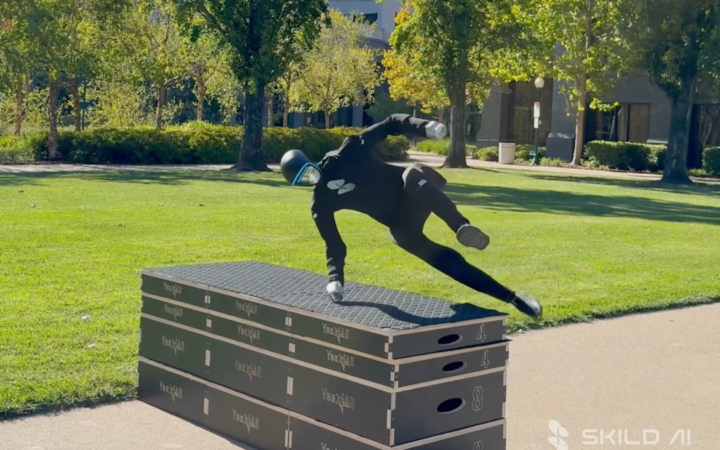
Skild AI Raises $1.4B, Reaching $14B Valuation in Physical AI Bet
Skild AI raised nearly $1.4 billion in a funding round led by SoftBank, valuing the robotics AI company at more than $14 billion as it scales a unified foundation model for robots.
Machine learning is a foundational area of artificial intelligence that enables systems to identify patterns, learn from data, and improve performance over time without explicit programming. It underpins many capabilities used in robotics, automation, and intelligent software, including perception, prediction, decision-making, and adaptive control. This topic covers major learning approaches such as supervised, unsupervised, and reinforcement learning, as well as deep learning architectures used in vision, language, and robotics. It also addresses challenges related to data quality, model training, deployment, and reliability in real-world systems. As machine learning moves from research into production environments, it remains a critical driver of scalable, intelligent behavior across digital and physical systems.
Skild AI raised nearly $1.4 billion in a funding round led by SoftBank, valuing the robotics AI company at more than $14 billion as it scales a unified foundation model for robots.
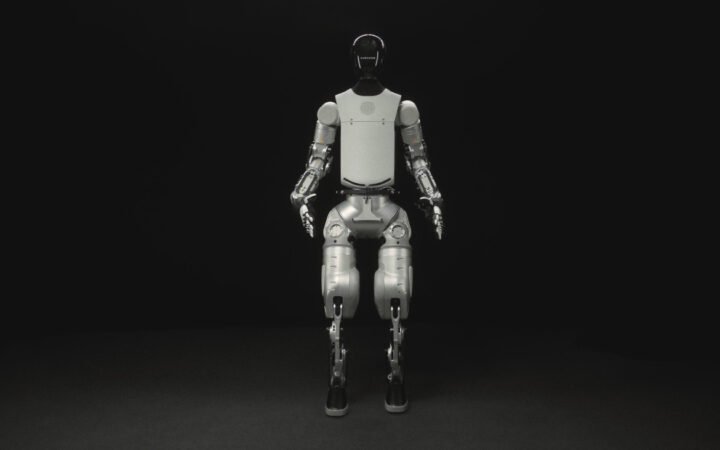
London-based startup Humanoid moved from concept to a functional alpha prototype of its HMND 01 robot in seven months, compressing a development cycle that typically takes up to two years.
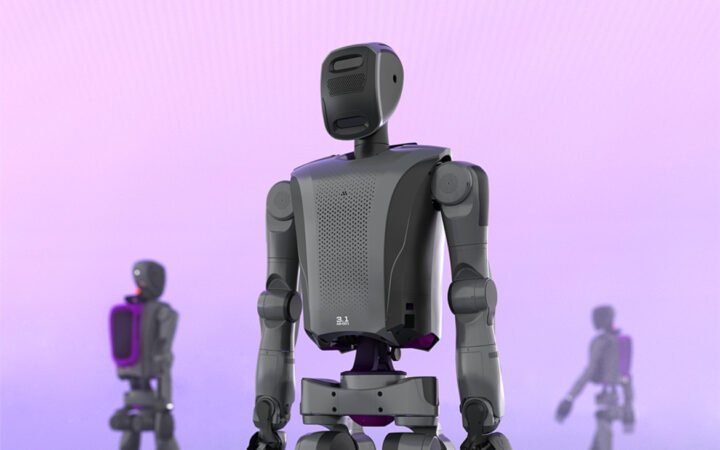
Mobileye agreed to acquire humanoid robotics startup Mentee Robotics for $900 million, expanding its autonomy technology from vehicles into Physical AI and general-purpose humanoid robots.
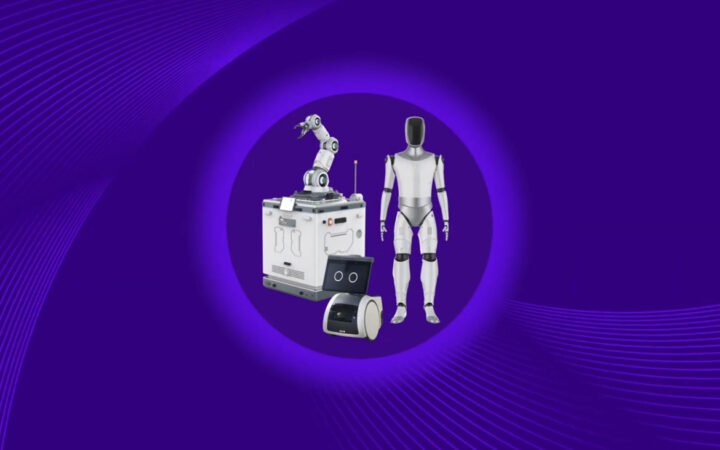
Qualcomm introduced a comprehensive robotics technology stack at CES 2026, unveiling new processors and partnerships aimed at scaling Physical AI from service robots to full-size humanoids.
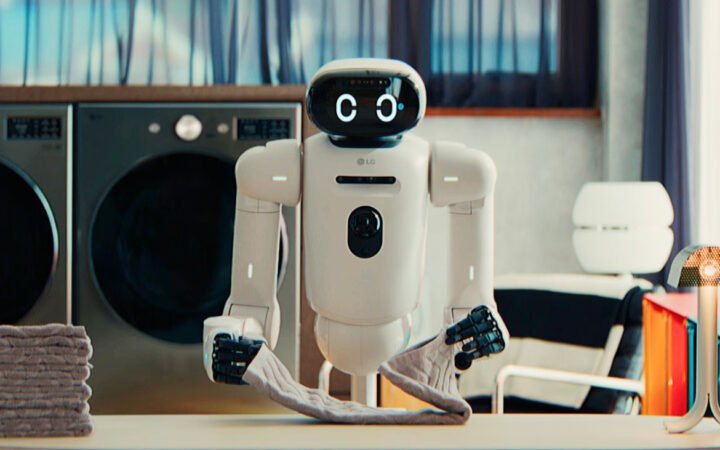
LG Electronics demonstrated its AI-powered CLOiD home robot at CES 2026, highlighting autonomous cooking, laundry folding, and dishwasher management as part of its Zero Labor Home vision.
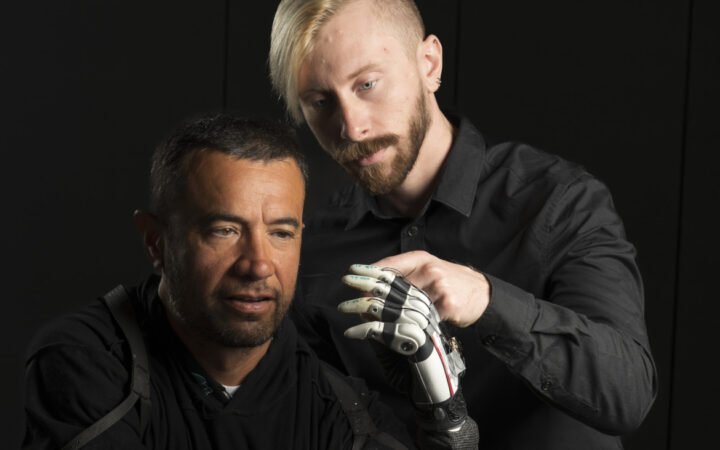
Researchers at the University of Utah used artificial intelligence to improve control of a robotic prosthetic hand, reducing cognitive effort while increasing grip precision and stability.
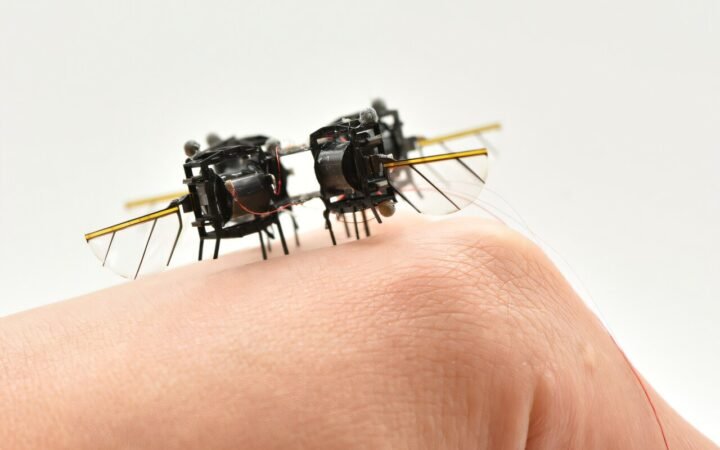
MIT engineers developed an AI-controlled aerial microrobot capable of flying with speed and agility comparable to insects, marking a major advance in micro-scale robotics.