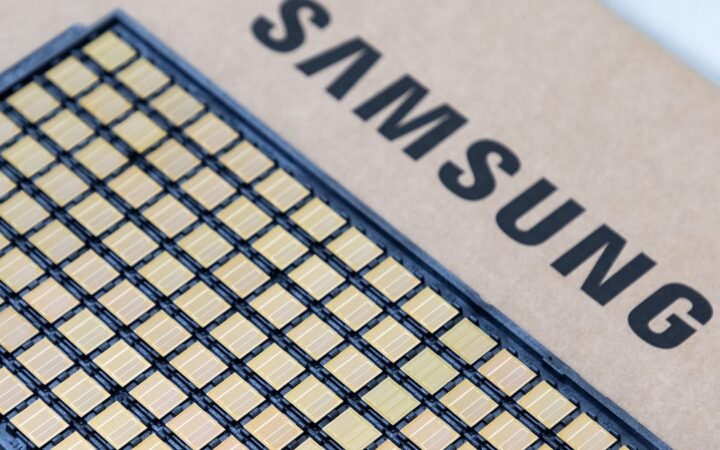
Samsung Plans AI Driven Factories Worldwide by 2030
Samsung Electronics plans to convert its global manufacturing network into AI driven factories by 2030, integrating agentic AI, robotics, and digital twins across production.
Smart factories are digitally connected manufacturing environments that integrate robotics, automation, AI, and real-time data systems. This topic explores how sensors, industrial robots, software platforms, and analytics are combined to optimize production, improve quality, and increase flexibility. It also covers predictive maintenance, adaptive production lines, and the role of data-driven decision-making in modern manufacturing. Smart factories represent a shift from isolated automation toward fully integrated industrial ecosystems. As manufacturers pursue efficiency and resilience, smart factories are becoming a core model for next-generation production.
Samsung Electronics plans to convert its global manufacturing network into AI driven factories by 2030, integrating agentic AI, robotics, and digital twins across production.
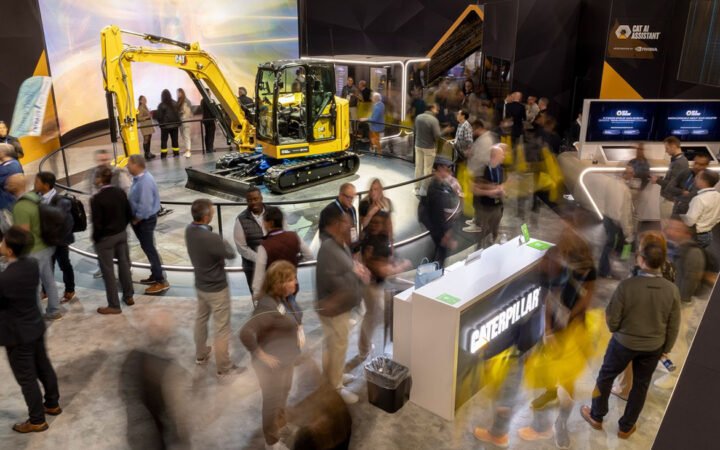
Caterpillar and NVIDIA deepened their partnership at CES 2026, outlining how Physical AI will transform construction, mining, manufacturing, and industrial supply chains.