Microsoft co-founder Bill Gates has said governments may need to fundamentally restructure tax systems within the next five years in response to growing job displacement from artificial intelligence and robotics. In an interview with the Australian Financial Review, Gates argued that policymakers are underestimating how deeply automation could reshape labor markets and suggested shifting tax burdens away from labor, particularly for middle- and lower-income workers, and toward capital and automated systems. He said the change is not yet necessary but may become so within roughly half a decade.
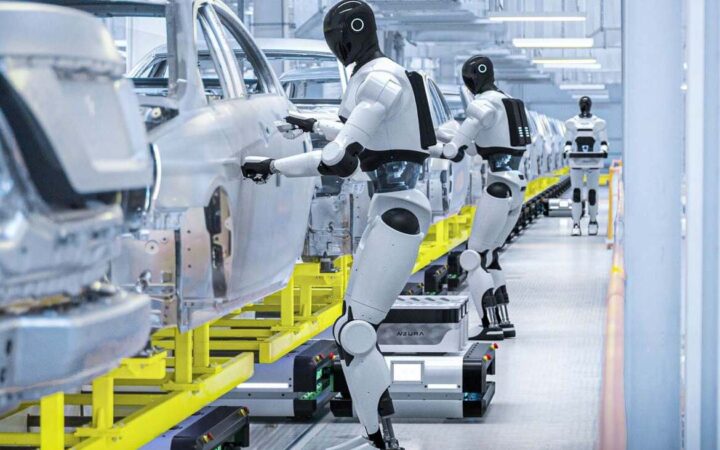
Gates first popularized the concept of a “robot tax” several years ago as automation accelerated across manufacturing and logistics, and his latest comments revive that debate at a moment when humanoid and industrial robotics deployments are scaling more visibly. Supporters of such a tax argue it could offset lost payroll revenue and fund worker retraining and welfare programs. Critics counter that aggressive taxation of automation could slow innovation and weaken competitiveness, particularly against jurisdictions that decline to impose similar measures. Gates urged governments to begin the policy debate before large-scale displacement occurs rather than reacting after the fact.
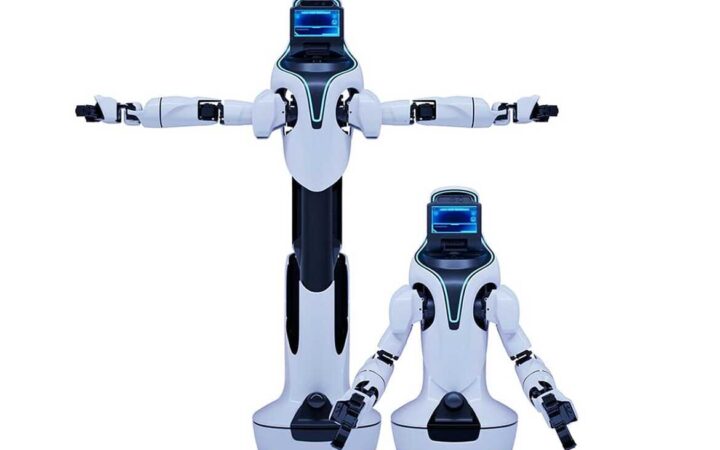
The comments arrive as the robotics sector moves from pilot deployments toward more concrete commercial rollouts in warehouses, retail environments, and select service applications. Tax frameworks in most major economies remain heavily oriented toward labor income, and any meaningful shift toward taxing capital or automated systems would represent a substantial structural change. To date, formal robot tax proposals have made limited progress in legislatures, though several governments have begun studying productivity and displacement effects more systematically.
Gates also addressed the broader AI market, warning that most AI companies will fail and that the sector is being reshaped by aggressive pricing pressure, with Chinese firms offering free models that force Western competitors to cut prices sharply. He cautioned non-technical investors against speculative AI startups and suggested they focus on established players such as Microsoft and Google. The remarks underscore the dual pressure on policymakers: managing competitive positioning in AI and robotics while preparing labor market and fiscal frameworks for the disruption those same technologies are expected to produce.
Disclaimer: RobotsBeat is an independent media brand owned and operated by NuvexMedia LLC, publishing news, research, and insights on artificial intelligence, emerging technologies, automation, and related industries. NuvexMedia LLC invests in and collaborates with companies across the AI, Robotics, technology, software, and digital innovation sectors. These relationships do not influence RobotsBeat's editorial coverage, and the publication maintains full editorial independence to provide accurate, timely, and objective information. © 2026 NuvexMedia LLC. All rights reserved. This content is for informational purposes only and should not be considered legal, tax, investment, financial, or other professional advice.