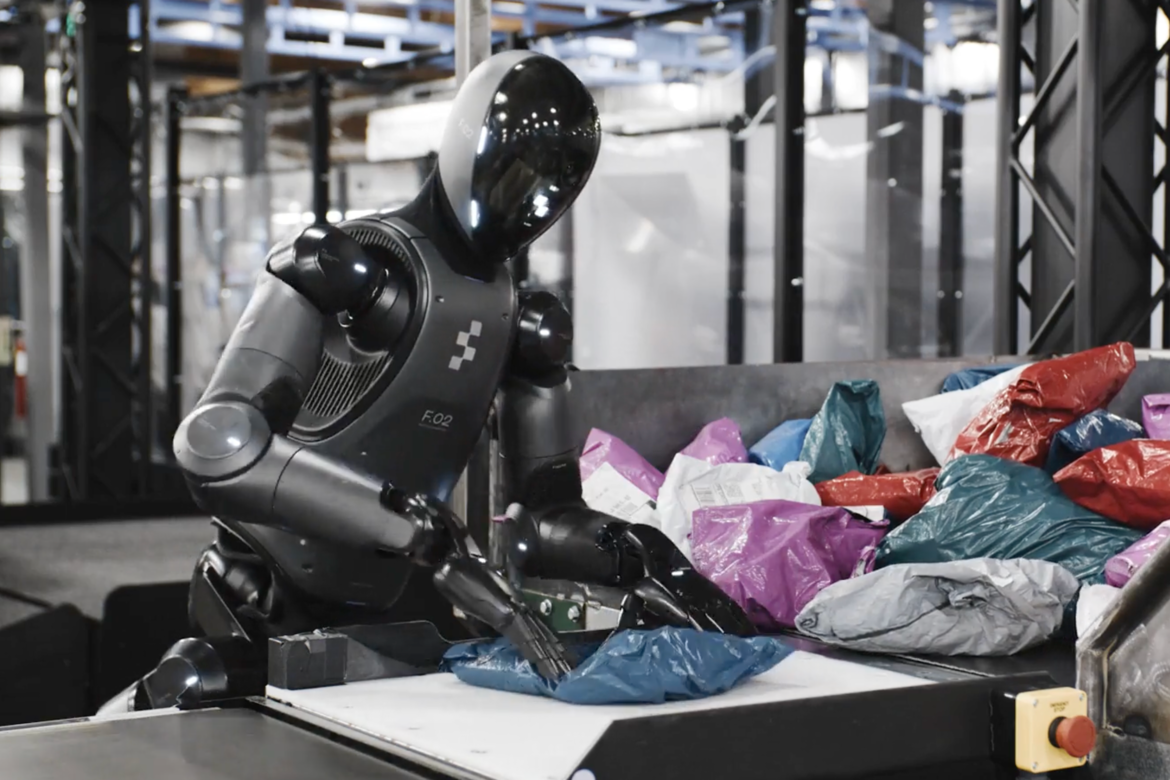
Figure AI staged a 10-hour head-to-head sorting contest between a human intern and its Figure 03 humanoid robot last week, framing the event as “Man vs Machine”. The task was straightforward: handle packages on a conveyor belt and ensure barcodes faced the same direction. After 10 hours, the human won – narrowly.
The intern, named Aime, sorted 2,924 packages at an average of 2.79 seconds per package. The Figure 03 robot handled 2,732 packages at 2.83 seconds per package. The human’s margin of victory was 192 packages.
What the Numbers Don’t Capture
The result, read at face value, is a human victory. Read in context, it is something closer to a draw with asymmetric costs. Figure AI CEO Brett Adcock wrote after the contest: “Congrats to Aime!! He said his left forearm is basically broken.” Social media posts from observers indicated the intern was visibly exhausted by the end of the challenge and likely had blisters from ten hours of continuous handling.
Congrats to Aime!! He said his left forearm is basically broken 😂
Final scores:
→ F.03: 12,732 packages (2.83 seconds/package)
→ Aime: 12,924 packages (2.79 seconds/package)This is the last time a human will ever win pic.twitter.com/CalDzPZz4d
— Brett Adcock (@adcock_brett) May 18, 2026
The Figure 03 robot showed no signs of wear after the contest ended and continued sorting packages once the competition was over. The human also lost time during the challenge for bathroom breaks – time the robot did not require.
The physical asymmetry is the point Adcock chose to emphasize. “This is the last time a human will ever win,” he wrote. The contest was not designed to demonstrate that robots have surpassed humans. It was designed to demonstrate how close the gap has become – and to establish a public baseline against which future Figure hardware will be measured.
What Figure 03 Has Already Demonstrated
The sorting contest followed a separate milestone last week in which Figure AI showed Figure 03 completing eight-hour autonomous shifts live on camera – a sustained operational demonstration designed to address questions about whether humanoid robots can maintain performance across a full working day without significant degradation or failure.
Together, the two demonstrations serve a coherent narrative: Figure 03 can work an eight-hour shift without a break, and it can perform repetitive manipulation tasks at near-human speed for ten hours without physical consequence. The human who matched it needed medical attention.
The Broader Significance
The 2.79 versus 2.83 seconds per package comparison – a difference of 0.04 seconds – illustrates where industrial humanoid robotics currently sits relative to human performance in structured repetitive tasks. The robot is not yet faster, but the margin is small enough that incremental hardware and software improvements would close it. And unlike a human, a robot does not accumulate fatigue, require breaks, or sustain injuries.
For Figure AI, which is competing directly with Tesla’s Optimus program, Boston Dynamics’ Atlas, and a range of Chinese manufacturers for logistics and manufacturing deployment contracts, the Man vs Machine contest generated significant public attention at relatively low cost. Whether the Figure 03 translates that attention into commercial orders at scale remains the company’s central challenge.
Disclaimer: RobotsBeat is an independent media brand owned and operated by NuvexMedia LLC, publishing news, research, and insights on artificial intelligence, emerging technologies, automation, and related industries. NuvexMedia LLC invests in and collaborates with companies across the AI, Robotics, technology, software, and digital innovation sectors. These relationships do not influence RobotsBeat's editorial coverage, and the publication maintains full editorial independence to provide accurate, timely, and objective information. © 2026 NuvexMedia LLC. All rights reserved. This content is for informational purposes only and should not be considered legal, tax, investment, financial, or other professional advice.