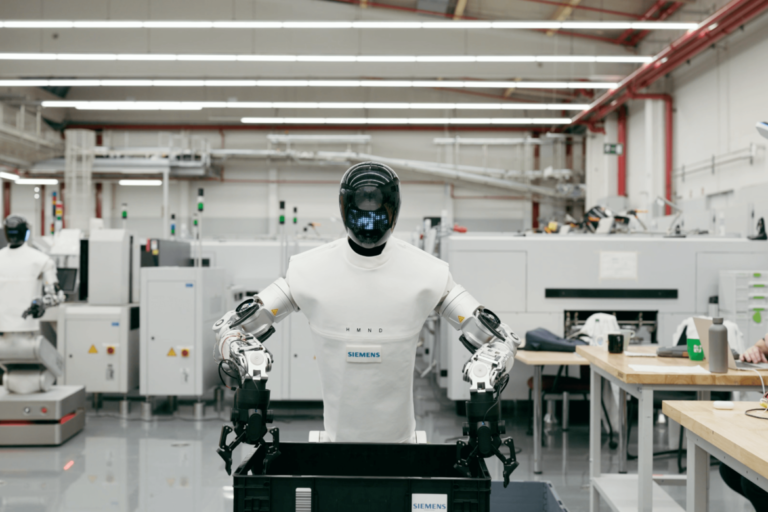
Siemens, NVIDIA and Humanoid Test Factory-Ready Humanoid Robot in Live Production
Siemens, NVIDIA and Humanoid have tested a humanoid robot in a live factory environment, signaling progress toward industrial-scale physical AI deployment.
Business & Markets covers the commercial, financial, and strategic forces shaping the robotics, artificial intelligence, and automation industries. This topic focuses on earnings reports, mergers and acquisitions, partnerships, market performance, and corporate strategy across the global robotics ecosystem. Coverage examines how companies scale production, enter new markets, manage supply chains, and compete in rapidly evolving sectors. It also tracks broader market trends, investor sentiment, and the economic factors influencing adoption of intelligent systems. By connecting technology developments with business outcomes, Business & Markets provides insight into how robotics and AI move from innovation to sustainable commercial impact. This category is essential for understanding where capital is flowing, which players are gaining ground, and how markets are responding to technological change.
Siemens, NVIDIA and Humanoid have tested a humanoid robot in a live factory environment, signaling progress toward industrial-scale physical AI deployment.
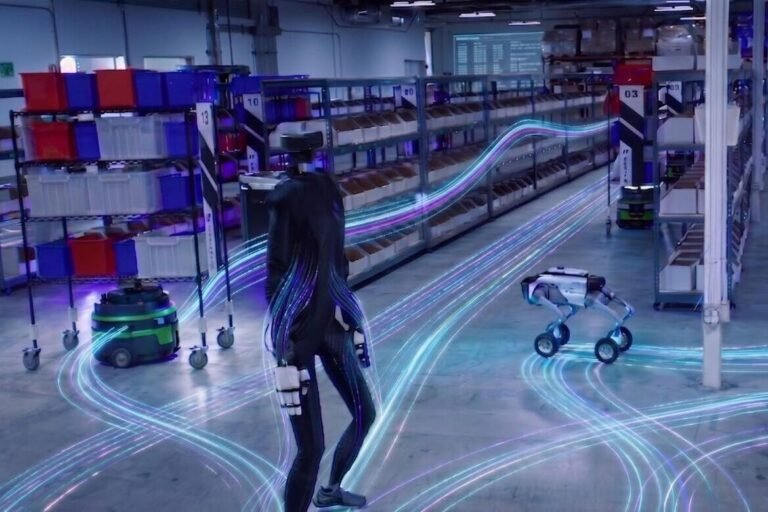
Skild AI has acquired Zebra Technologies’ robotics automation business, aiming to unify fragmented warehouse systems under a single AI-driven control layer.
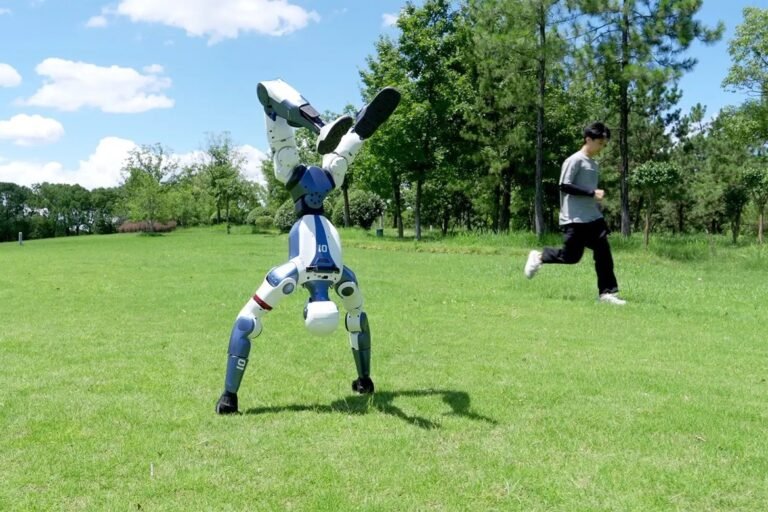
Unitree is bringing its lowest-cost humanoid robot to global markets via AliExpress, signaling a shift toward early consumer adoption of robotics.
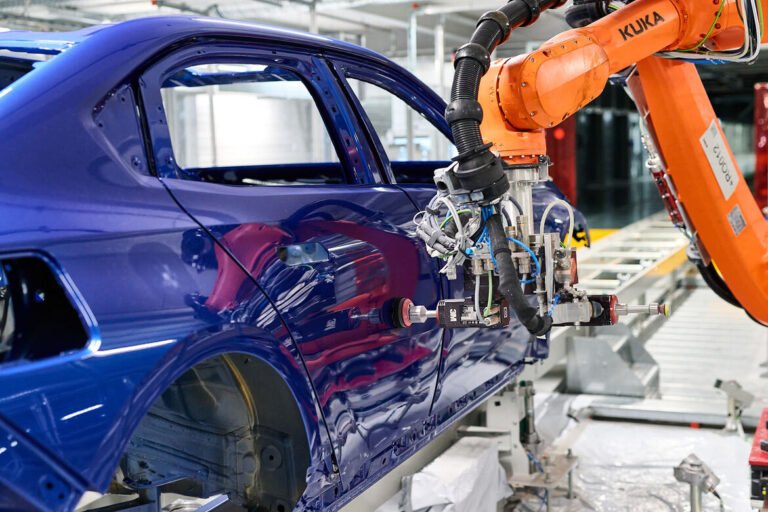
BMW has overhauled its Munich plant with an AI-driven production system and thousands of robots, signaling a shift toward software-defined manufacturing for electric vehicles.

LG CNS has partnered with Silicon Valley robotics startups to strengthen its physical AI capabilities, combining robot foundation models with new hardware platforms.
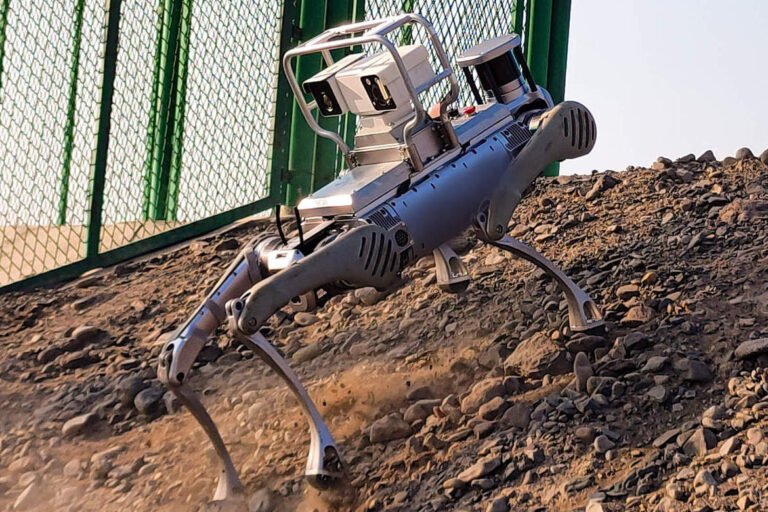
Unitree Robotics has filed for a Shanghai IPO after becoming the world’s largest humanoid robot seller, signaling a shift from experimentation to early commercialization.
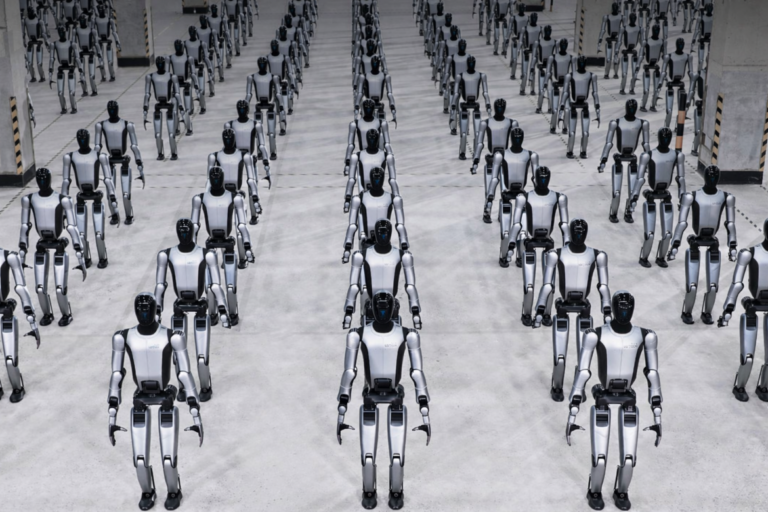
Ubtech reported a 23-fold increase in humanoid robot sales, driven by industrial deployments. The results point to accelerating commercialization of embodied AI in China.
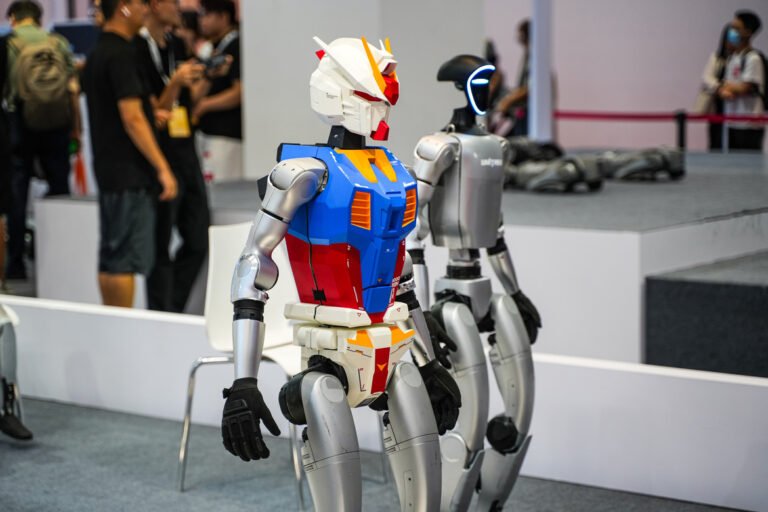
Humanoid robot prices have dropped more than 70% in two years, signaling a shift toward commercialization. The market is now dividing into premium, mid-range, and volume-driven…
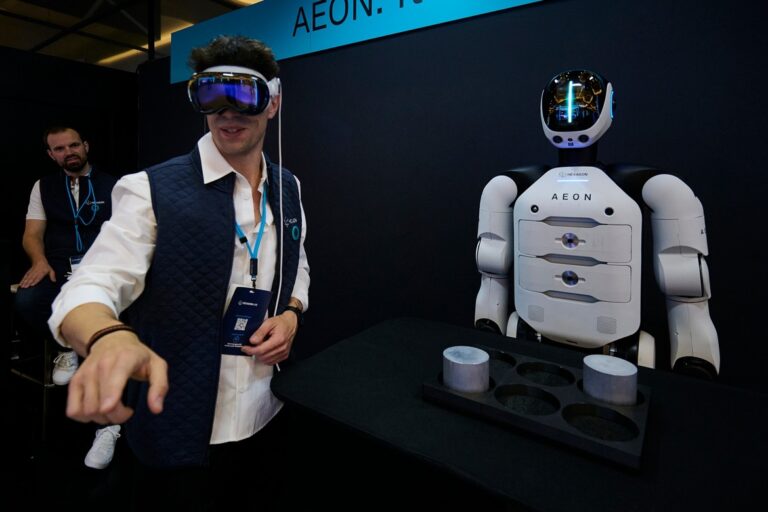
European companies are accelerating investment in humanoid robotics as the region seeks to regain technological momentum. Industrial expertise and automotive supply chains are emerging as key…

Saronic has raised $1.75 billion to expand autonomous ship production and shipyard infrastructure. The funding highlights a shift toward software-defined maritime manufacturing at industrial scale.
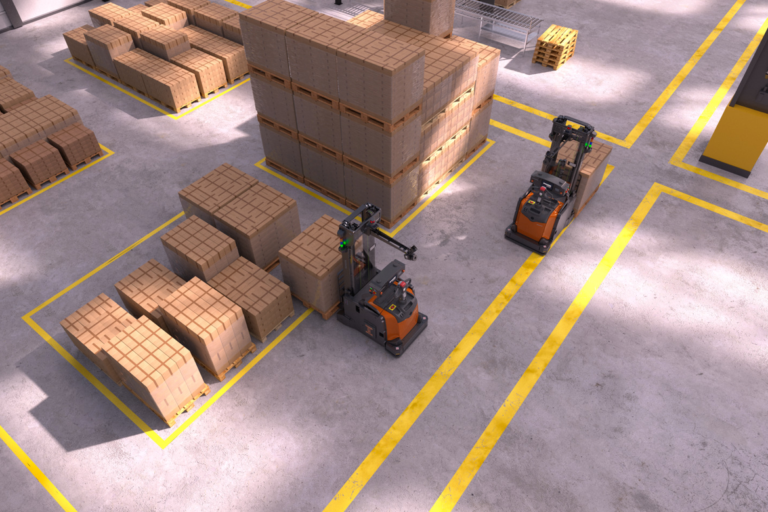
Toyota Material Handling Europe has launched a coordinated AGV system designed to operate across mixed fleets. The platform reflects a shift toward scalable, software-driven warehouse automation.
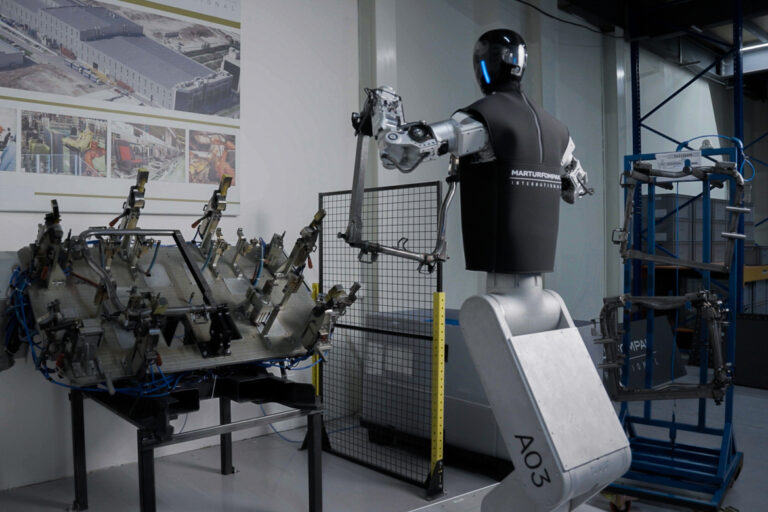
SAP, Humanoid, and Martur Fompak have completed a live warehouse trial linking enterprise AI agents to a humanoid robot. The test highlights how software-driven decisions can…