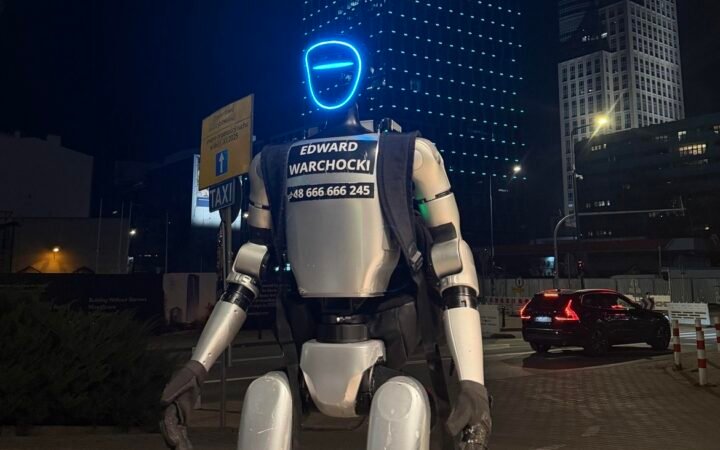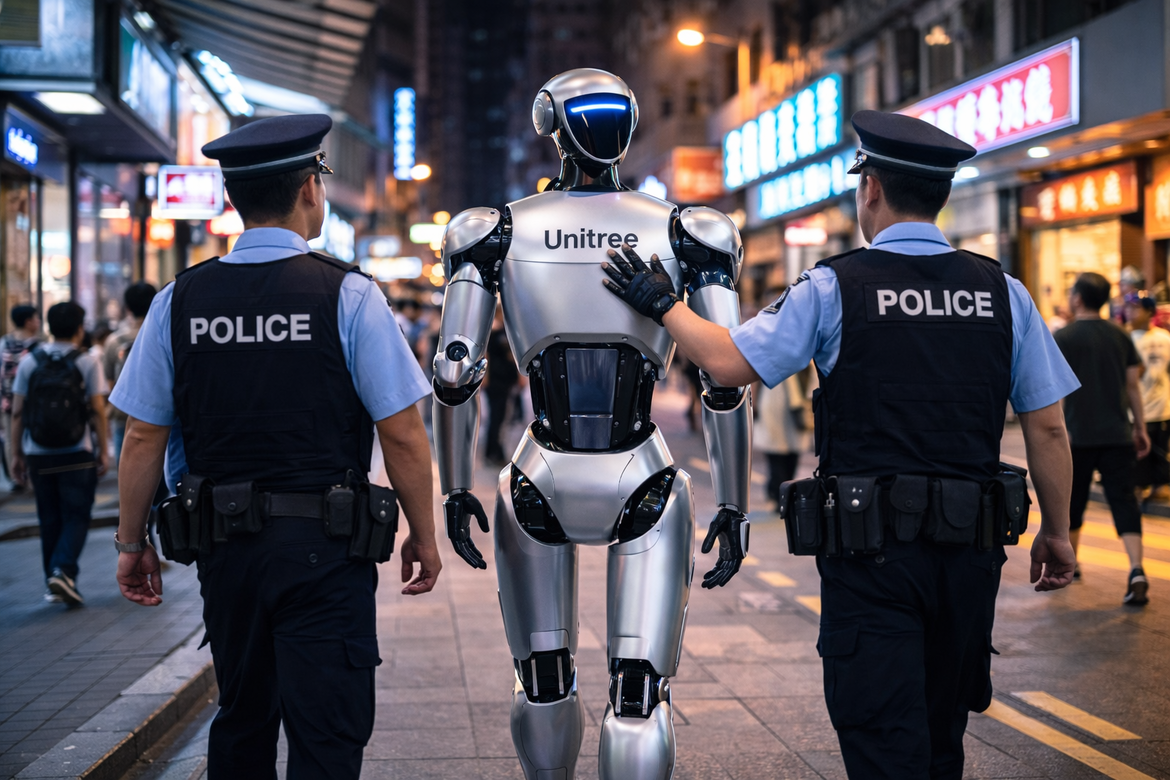

A humanoid robot operating in a residential neighborhood in Macau was escorted away by police after startling an elderly pedestrian, an incident that has sparked debate about how robots should operate in public spaces.
The episode occurred near a housing complex in the Patane district when a Unitree G1 humanoid robot was reportedly following behind a woman walking along the street. According to local reports, the 70-year-old pedestrian became alarmed after noticing the robot behind her while she was checking her phone.
A video circulating online shows the woman confronting the robot while several onlookers watch. Police later arrived at the scene and escorted the robot away from the area.
The woman was later taken to a hospital after reporting that she felt unwell. Authorities said she was examined and discharged, and that no physical contact or injuries occurred.
A Promotional Robot in the Wrong Place
Local officials said the robot belonged to an educational center and had been used for promotional activities in the neighborhood.
According to representatives from the organization operating the machine, the encounter was accidental. The woman had stopped in the middle of the walkway while looking at her phone, and the robot – unable to navigate around her – remained stationary behind her until she turned around and noticed it.
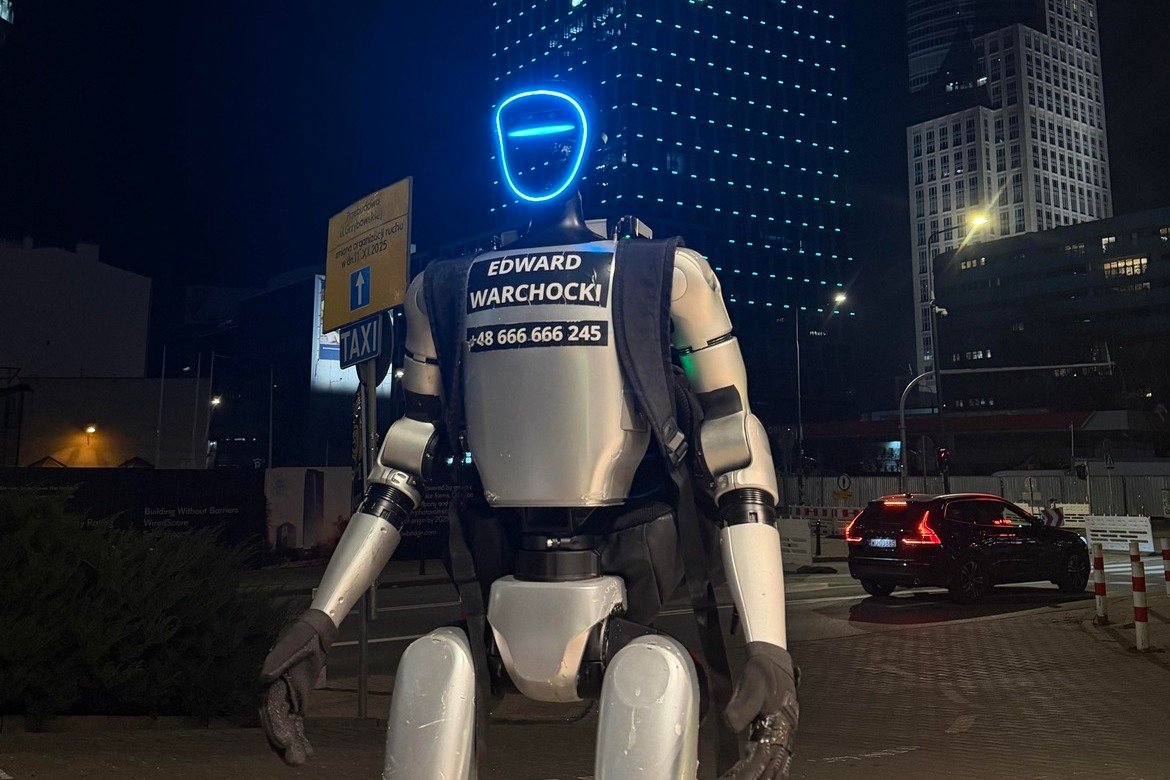
The robot’s illuminated sensors and late-evening timing may have contributed to the surprise.
Police returned the machine to its operator and advised him to exercise greater caution when using robots in public areas.
Public Robots and Social Reactions
The incident quickly spread online after video footage showed officers walking the humanoid robot away from the scene in what many viewers described as an unusual “perp walk”.
The moment triggered widespread discussion across social media platforms.
Some observers treated the situation humorously, joking that the robot had been “arrested”. Others used the moment to raise more serious questions about safety, consent, and etiquette when robots interact with people in public environments.
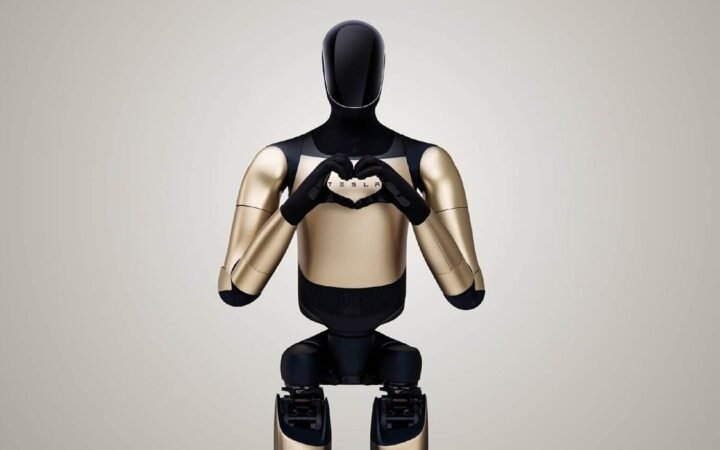
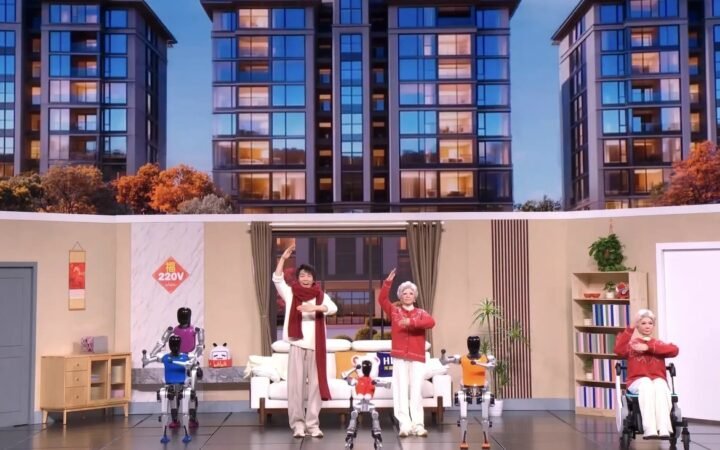
Humanoid robots such as the Unitree G1 have become increasingly visible in Chinese cities and online videos, where they are often used for demonstrations, entertainment, and social media content.
However, their presence in everyday public spaces remains relatively new.
The Challenge of Robots in Public Spaces
As robotics technology becomes more accessible, incidents like the Macau encounter highlight the growing need for guidelines governing how machines operate in shared environments.
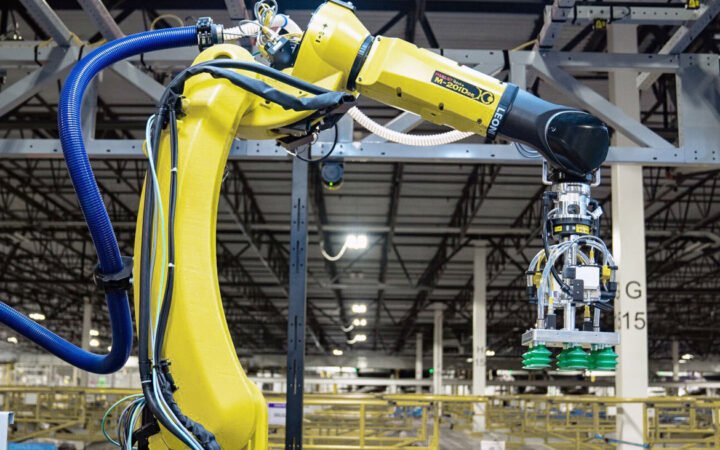
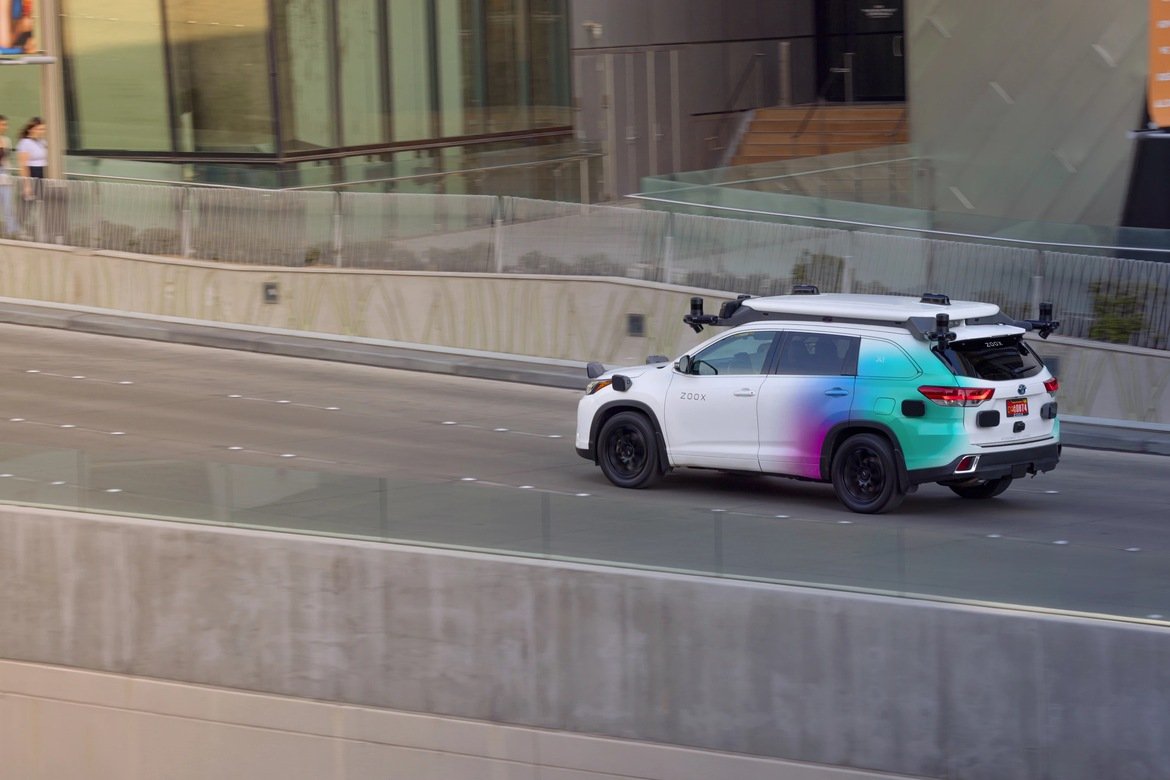
Unlike industrial robots or delivery robots that follow defined paths, humanoid robots can move through public spaces designed for human interaction.
That flexibility raises new questions about awareness, human perception, and social expectations.
Even when operating safely, robots can surprise or confuse people who are not accustomed to encountering autonomous machines in everyday settings.
Researchers studying human-robot interaction note that designing robots that behave predictably – and communicate their intentions clearly – will be essential as machines become more visible in public life.
For now, the Macau incident serves as a reminder that the social side of robotics may be just as important as the technical one.