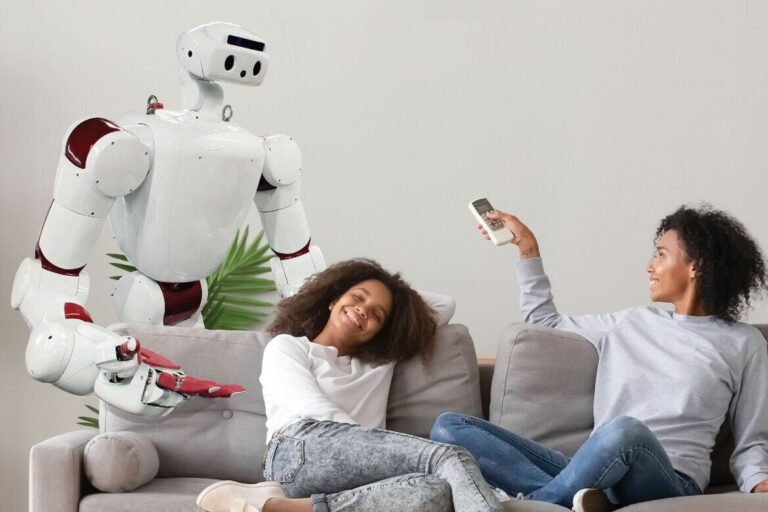
Japan Targets Humanoid Robot Mass Production by 2027
Japan has launched a national effort to mass-produce humanoid robots by 2027, bringing together universities, electronics firms, and government support to address labor shortages and restore...
Physical AI refers to artificial intelligence systems that perceive, reason, and act in the physical world through sensors, actuators, and embodied control. Unlike purely digital AI, Physical AI connects software intelligence with real-world interaction, enabling robots, autonomous machines, and smart devices to move, manipulate objects, and respond to dynamic environments. This topic covers perception, motion planning, control systems, and learning-based behaviors used in robotics, autonomous vehicles, and industrial automation. It also explores simulation, digital twins, and real-world training methods that bridge the gap between virtual models and physical execution. As AI increasingly leaves the screen and enters the real world, Physical AI represents a critical foundation for scalable, intelligent machines operating outside controlled environments.
Japan has launched a national effort to mass-produce humanoid robots by 2027, bringing together universities, electronics firms, and government support to address labor shortages and restore...
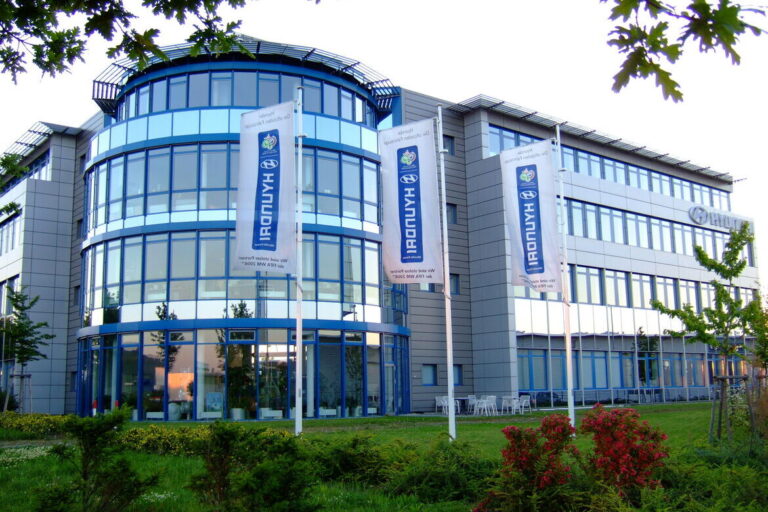
Hyundai Motor Group has deployed unmanned firefighting robots with South Korea’s National Fire Agency, signaling robotics’ growing role in safety-critical infrastructure.
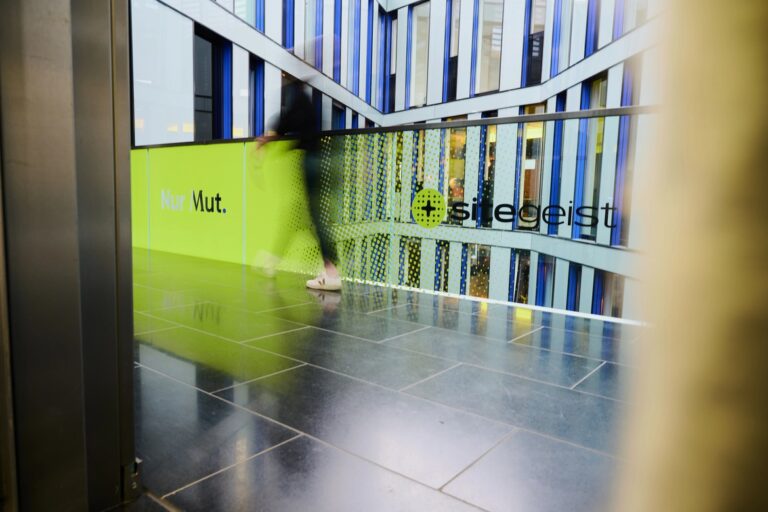
Sitegeist has raised €4 million in pre-seed funding to scale its AI-powered construction robots, targeting infrastructure repair and labor shortages in renovation projects.
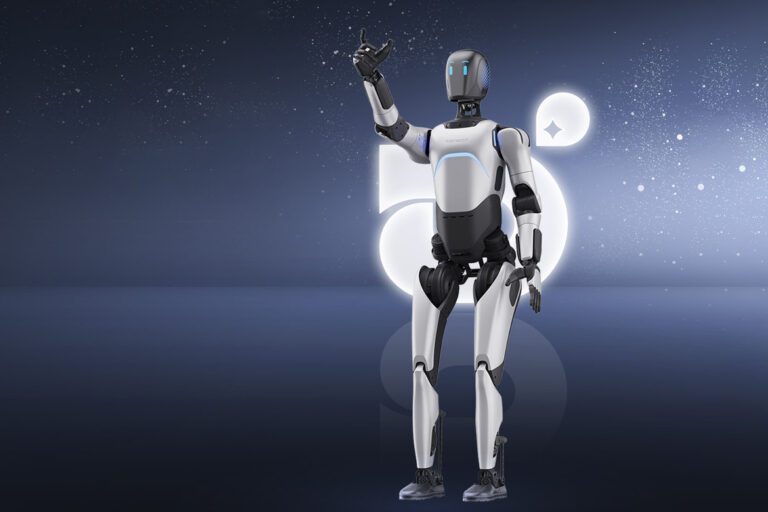
China’s top humanoid robot companies will showcase their latest technologies and global expansion plans at AW 2026 in Seoul, highlighting intensifying competition in physical AI.
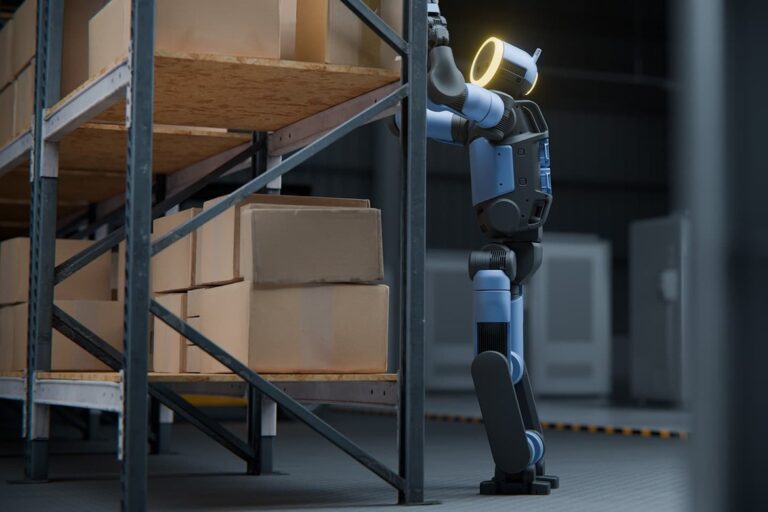
AI robots could surpass the number of human workers within decades, driven by falling costs, rapid automation, and expanding adoption across industries.

Hyundai Motor Group plans to invest $6.9 billion in an AI, hydrogen, and robotics hub in South Korea, accelerating its transition into physical AI and advanced...
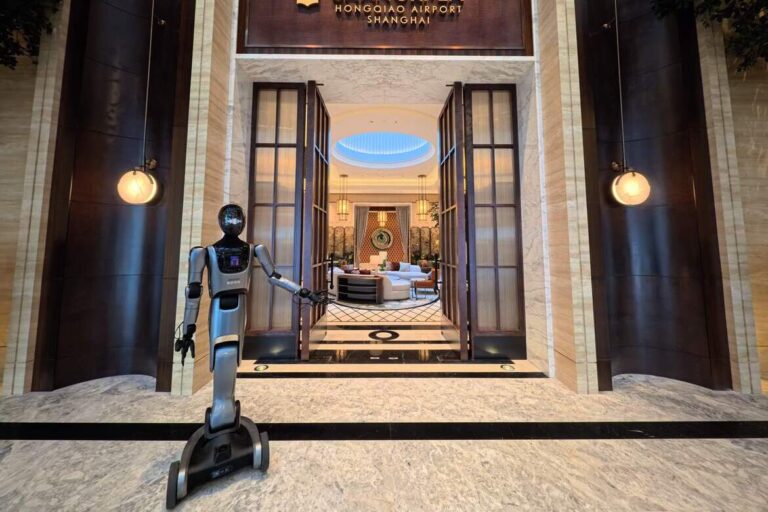
The global reception robots market is projected to grow from $1.2 billion in 2023 to $6.8 billion by 2032, driven by AI advances and rising demand...
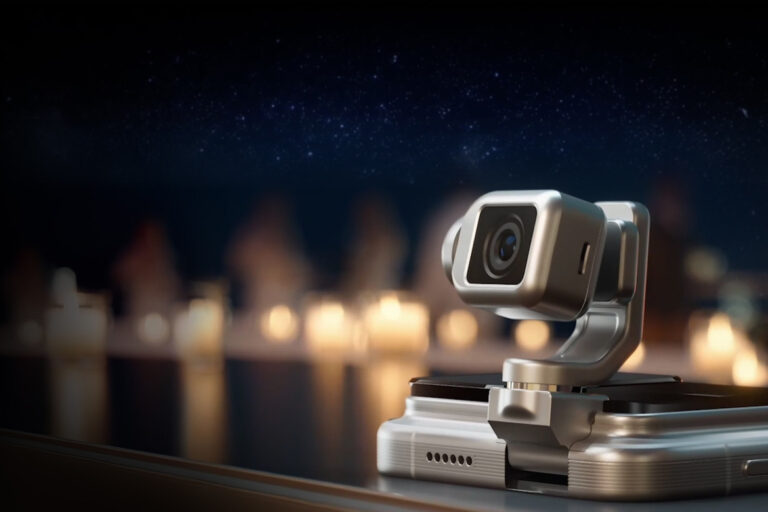
HONOR will unveil its first humanoid robot at Mobile World Congress 2026, marking a strategic expansion from smartphones into embodied AI and robotics.

EngineAI has demonstrated its PM01 humanoid robot performing rapid recovery maneuvers, highlighting advances in balance control, dynamic locomotion, and embodied AI resilience.
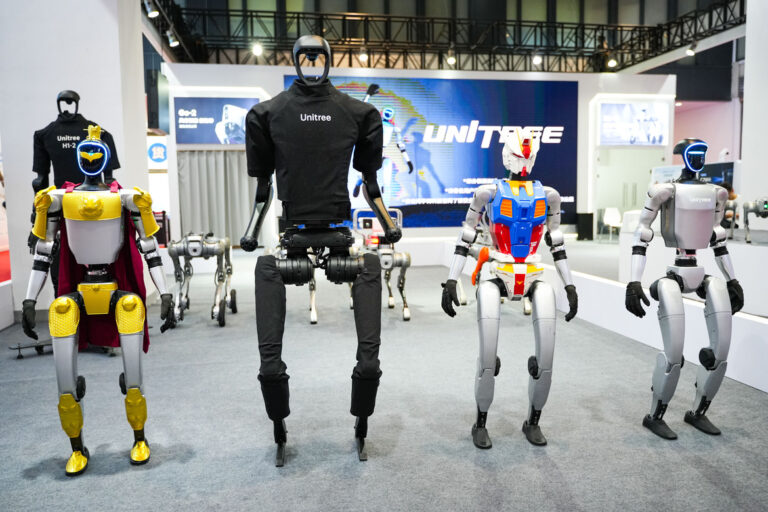
Unitree’s CEO says humanoid robots have reached the capability of a 10-year-old child but large-scale deployment remains three to five years away due to technical and...