
Google Brings Intrinsic In House to Accelerate Physical AI Development
Google has brought robotics software company Intrinsic fully in house, signaling a major push to integrate its AI models and cloud infrastructure into industrial robotics.
Robotics software forms the digital backbone of modern robotic systems, enabling perception, control, coordination, and learning. This topic covers operating systems, middleware, simulation tools, and control frameworks used to build and manage robots. It also explores how software platforms support modular development, hardware abstraction, and integration with AI models. Robotics software plays a key role in accelerating development cycles and enabling scalable deployment across different robot types. As robots become more complex, software increasingly defines system capabilities and performance.
Google has brought robotics software company Intrinsic fully in house, signaling a major push to integrate its AI models and cloud infrastructure into industrial robotics.
NVIDIA has unveiled Cosmos Policy, a unified AI model for robot control and planning built on its world foundation models, improving manipulation performance and real-world task execution.
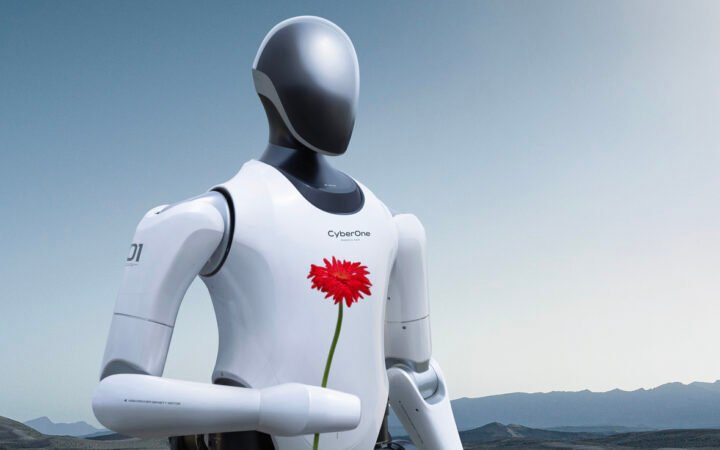
Xiaomi has released Robotics-0, an open-source Vision-Language-Action (VLA) model designed to enable real-time perception and control for embodied AI systems, marking a strategic push into foundational robotics software.
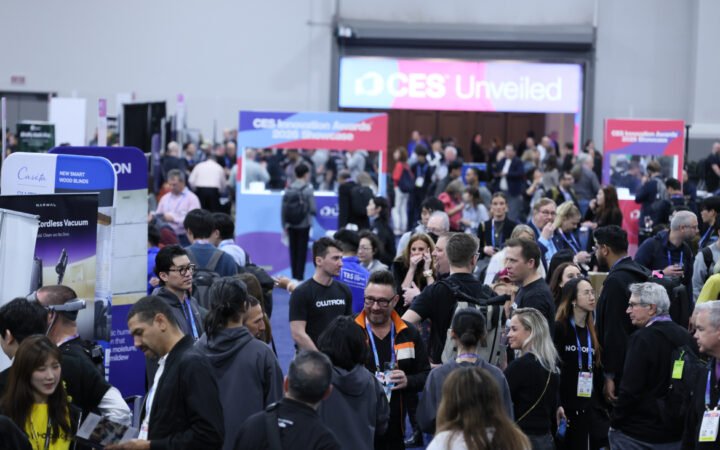
CES 2026 marked a turning point for Physical AI, as humanoids, autonomous machines, and AI-driven platforms moved from experiments to scalable, real-world systems.
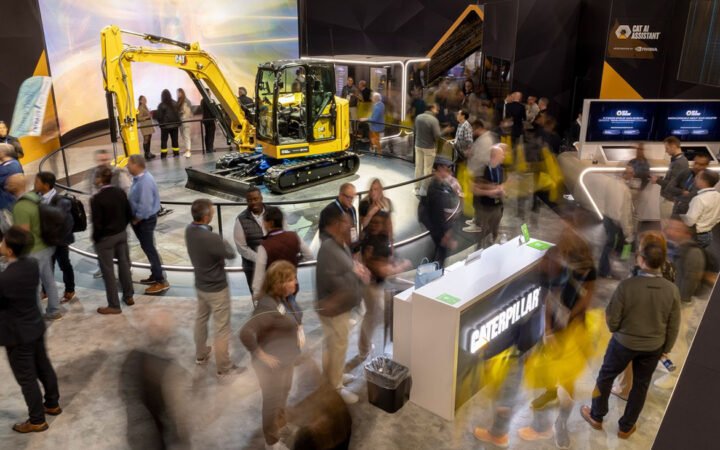
Caterpillar and NVIDIA deepened their partnership at CES 2026, outlining how Physical AI will transform construction, mining, manufacturing, and industrial supply chains.
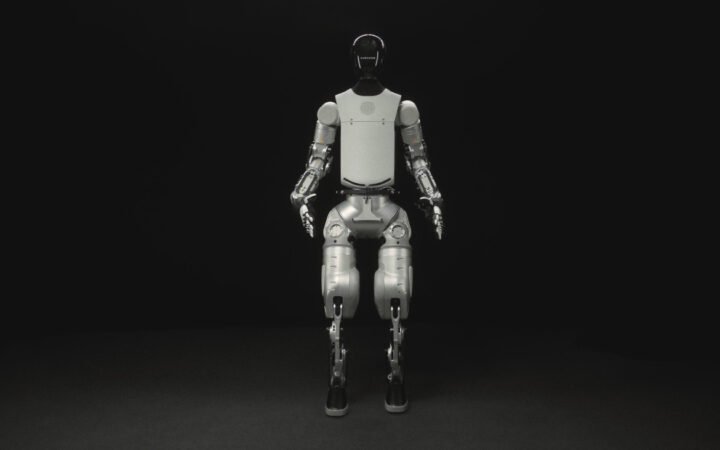
London-based startup Humanoid moved from concept to a functional alpha prototype of its HMND 01 robot in seven months, compressing a development cycle that typically takes up to two years.
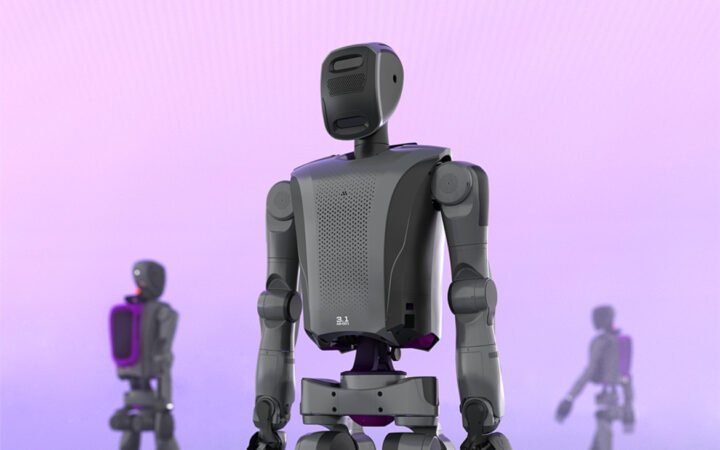
Mobileye agreed to acquire humanoid robotics startup Mentee Robotics for $900 million, expanding its autonomy technology from vehicles into Physical AI and general-purpose humanoid robots.
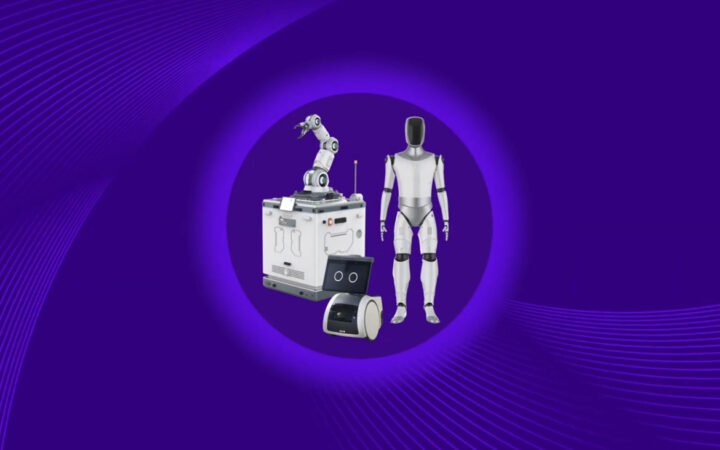
Qualcomm introduced a comprehensive robotics technology stack at CES 2026, unveiling new processors and partnerships aimed at scaling Physical AI from service robots to full-size humanoids.
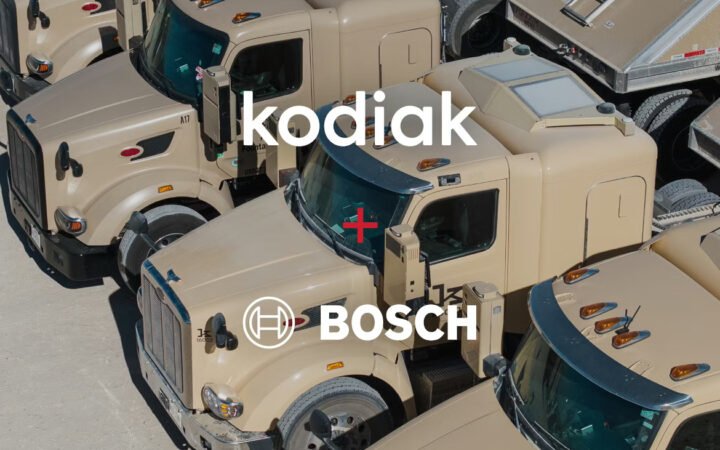
Kodiak has entered a strategic agreement with Bosch to scale production-grade autonomous trucking hardware, aiming to accelerate commercial deployment of driverless trucks.

UPS has purchased hundreds of warehouse robots designed to unload packages from trucks, expanding automation across its U.S. logistics network to address labor strain and efficiency demands.