
ASUS is scaling back new smartphone development as part of a broader strategic shift toward artificial intelligence, robotics, and advanced computing systems. The move reflects changing priorities inside the Taiwanese technology company, which is reallocating engineering talent and capital away from consumer handsets toward higher-growth segments tied to physical AI and intelligent automation.
Asus will continue to sell and support existing smartphone models in select markets, but it no longer plans to invest heavily in new flagship phone platforms. The decision follows years of intense competition in the global smartphone market, where margins have tightened and growth has slowed, particularly outside of Apple and Samsung’s ecosystems.
Company executives have indicated that future innovation efforts will focus on AI infrastructure, edge computing, robotics platforms, and intelligent devices designed for enterprise and industrial use cases.
From Consumer Phones to Physical AI
Asus has been steadily expanding its footprint in AI hardware, including servers optimized for accelerated computing, edge AI platforms, and embedded systems used in robotics and automation. These systems are increasingly deployed in factories, logistics centers, healthcare environments, and smart infrastructure projects.
The company has also invested in robotics-related research, including autonomous mobile systems, AI vision platforms, and human-machine interfaces. Rather than building consumer-facing robots, Asus is positioning itself as an enabling technology provider, supplying the compute, sensing, and control systems that power physical AI applications.
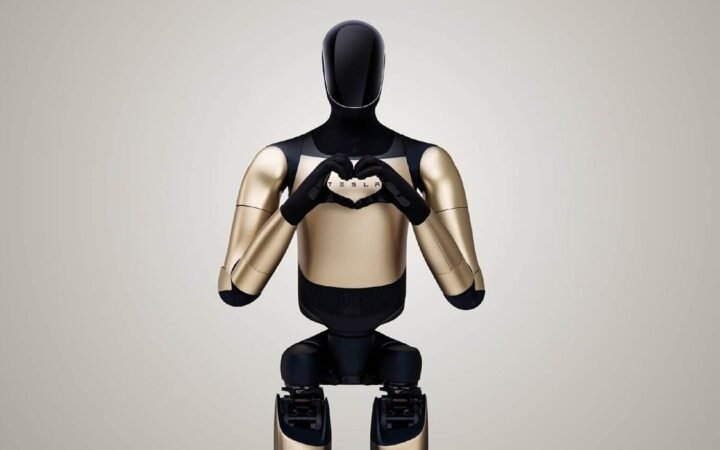
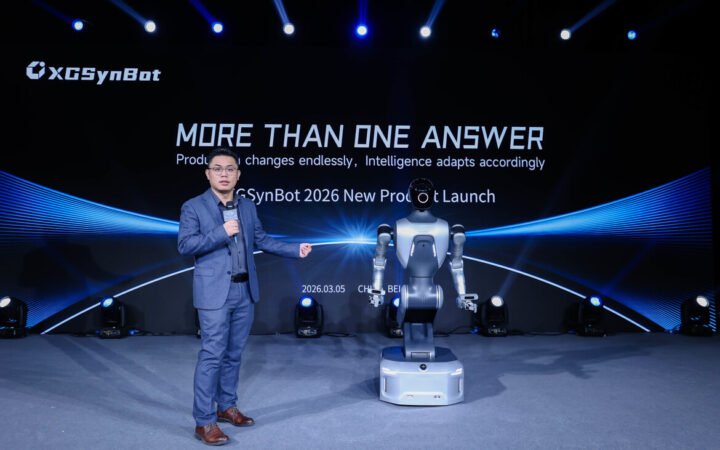
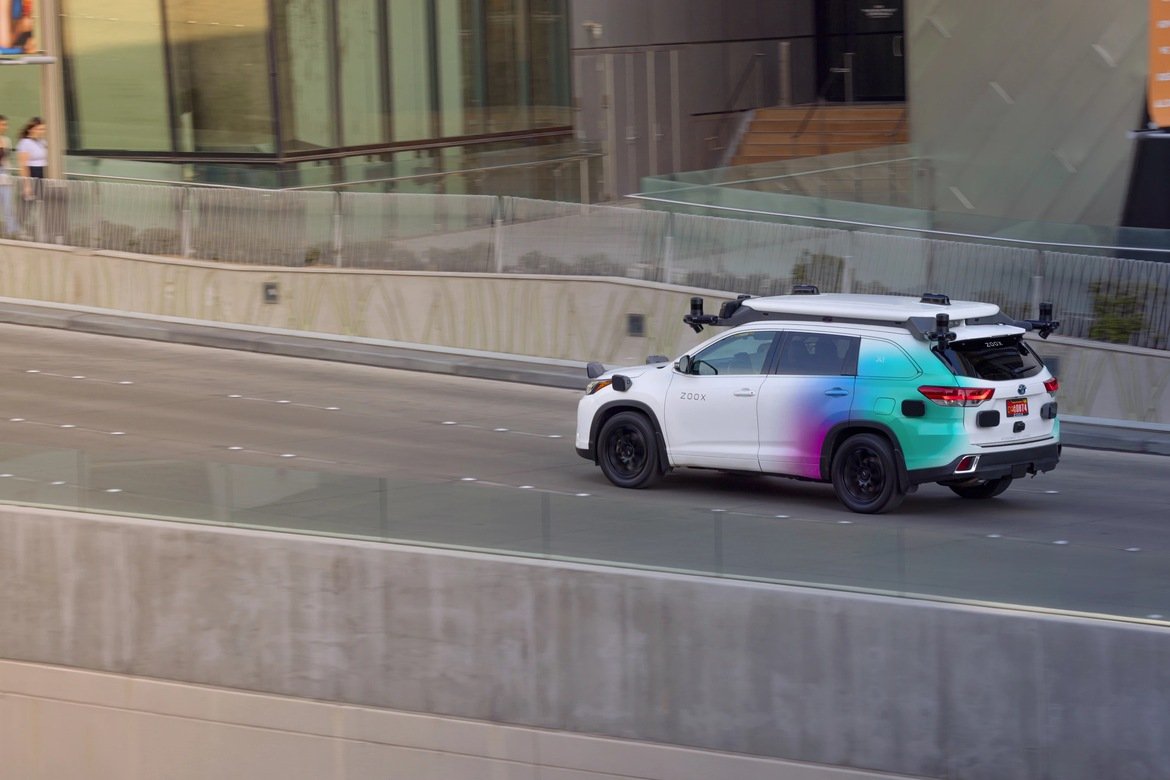
This transition mirrors a broader industry shift, where growth is increasingly concentrated in AI-driven systems that operate in the physical world. Robotics, autonomous machines, and intelligent infrastructure require high-performance, energy-efficient computing platforms, an area where Asus believes it can compete more effectively than in consumer smartphones.
Robotics and Edge AI as Growth Drivers
Asus’ robotics strategy centers on edge intelligence, where AI models run directly on devices rather than relying on cloud infrastructure. This approach is critical for robots and autonomous systems that must operate with low latency, high reliability, and strong data privacy guarantees.
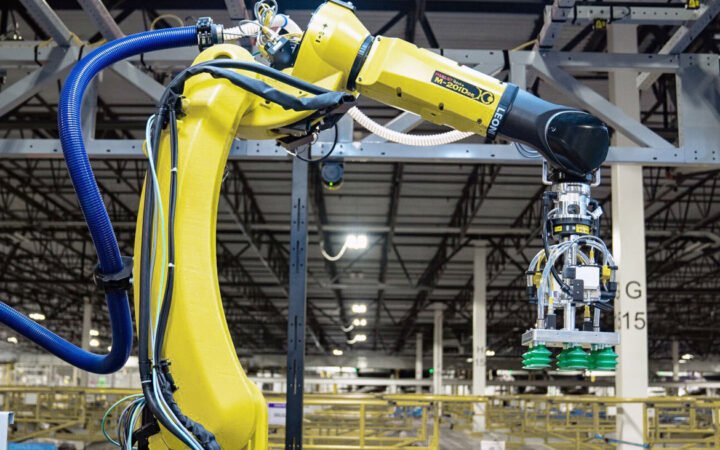
The company’s hardware portfolio now includes AI-ready industrial PCs, robotic controllers, and edge servers designed to support computer vision, motion planning, and real-time decision-making. These systems are being adopted across manufacturing, smart cities, and healthcare automation.
By exiting aggressive smartphone development, Asus frees up resources to deepen partnerships in robotics ecosystems and accelerate product cycles in AI-driven markets. Industry analysts view this as a pragmatic move, given the capital-intensive nature of smartphone development and the uncertain returns in a saturated market.
A Broader Industry Realignment
Asus’ pivot comes amid a wider reassessment of consumer electronics strategies across the technology sector. As smartphones mature, many manufacturers are looking beyond handsets for long-term growth, turning instead to AI infrastructure, robotics, and intelligent systems that can scale across industries.
Physical AI, which combines perception, reasoning, and action in real-world environments, is emerging as a central theme in this transition. Robotics platforms require continuous upgrades in compute performance, sensing accuracy, and software integration, creating recurring demand for specialized hardware and systems.
For Asus, the shift represents a move from volume-driven consumer markets toward fewer, higher-value deployments. While smartphones once defined the company’s consumer identity, its future growth is increasingly tied to the machines, factories, and autonomous systems that will shape the next phase of industrial digitization.
The decision underscores a growing consensus in the technology industry: the next major wave of innovation will not be defined by screens in pockets, but by intelligent machines operating alongside humans in the physical world.