Key Notes
- Certis reports a fleet of more than 60 robots across over 30 customer sites, with Wallace handling routine patrols while officers retain incident assessment and response responsibilities.
- Its Mozart operations platform serves more than 20,000 users across over 30 sites, while a newer Max humanoid remains on trial for roles involving interaction with people.
- The campaign builds on SUPCON and IntBot partnerships and work at Punggol Digital District, but the latest update provides no independently audited uptime, intervention rates or customer savings.
Certis says its robot fleet now exceeds 60 machines across more than 30 customer sites, as it combines autonomous patrols, AI software and frontline officers in a single operating model. The Singapore-headquartered company outlined that approach in a November 16 update on its “Built for What’s Next” campaign.
The three-month campaign presents robotics as part of day-to-day service delivery at complex facilities. Its focus is the division of work: machines cover repetitive monitoring, software brings observations together, and people assess incidents and decide how to respond.
Wallace Takes Patrols as Max Tests Visitor Roles
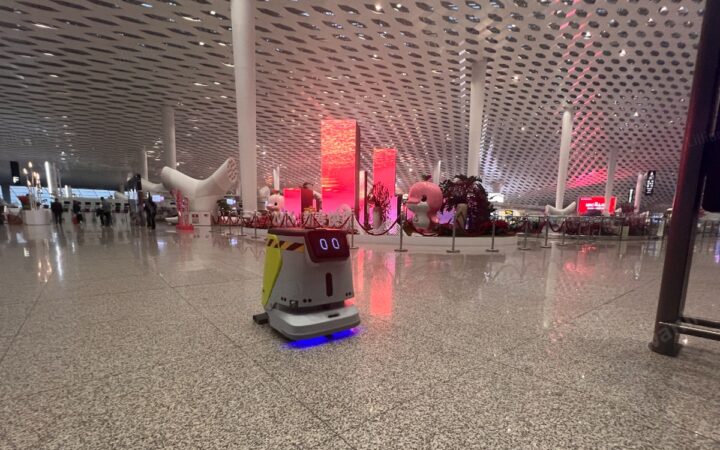
Wallace, Certis’s autonomous patrol robot, is being deployed at several Singapore sites to monitor indoor and outdoor spaces. Certis traces its public-space robot operations back to 2019; the fleet total covers its broader robotics business, rather than 60 newly delivered Wallace units.
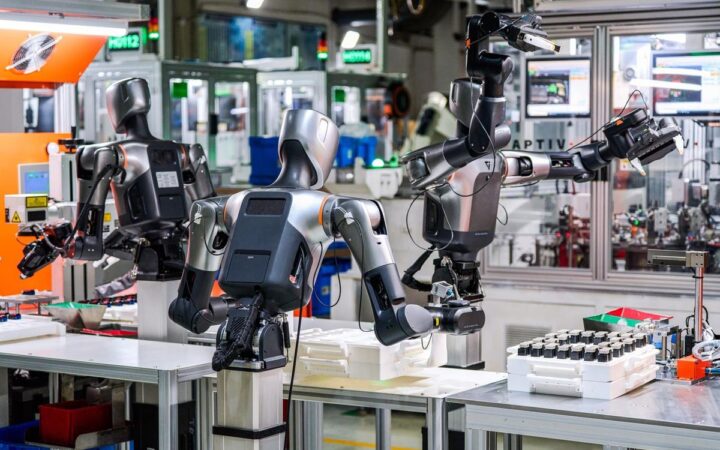
Its humanoid Max already greets visitors at the company’s Paya Lebar Green headquarters. A newer Max model remains on trial for roles involving interaction with people, a different stage of development from the patrol deployments.
That distinction matters in public-facing robotics. Following a route and collecting observations is one task; helping a visitor requires understanding a request and knowing when to bring in a person. Each needs to fit the staffing and escalation arrangements of the site where it operates.
Mozart Connects What Robots See With a Human Response
Mozart, Certis’s AI-powered operations platform, connects site data, systems and workflows so teams can coordinate their response. The company reports more than 20,000 platform users across over 30 sites, a separate measure from its robot fleet. The announcement does not say every Mozart site uses the same robots.
For an operator, a patrol becomes useful when a finding reaches someone who can investigate it. Robot movement, detection, communication and follow-up therefore form a connected service: an unattended object or unusual event still needs a clear owner and a decision about what happens next.
Our report on Galileo’s warehouse patrols follows a related inspection workflow in Poland, where a mobile robot collects visual, thermal and acoustic observations. Certis’s update places particular emphasis on integrating machines into an existing frontline workforce.
Partnerships Extend the Robotics Pipeline
Certis’s earlier SUPCON partnership, announced in August, sets out how that model could expand. Certis supplies operating requirements, customer environments and field feedback, while SUPCON contributes robotics, industrial AI and automation technology. Their planned work includes patrols, visitor guidance, anomaly alerts and connections to digital management systems.
Human interaction is also the focus of the IntBot partnership previously covered by RobotsBeat. The companies’ May agreement targets wayfinding, multilingual engagement and customer assistance. Those were intended pilot applications; the latest campaign does not establish that every proposed service is now deployed.
Certis was also named a design partner for the Punggol testbed in May. The mixed-use district provides a setting to examine how robots share public spaces and connect with command-centre workflows. In its November campaign announcement, Certis said it was deploying Wallace and Max there as part of the initiative.
The reported fleet and platform figures show the scale Certis describes for its operations, while the new campaign supplies no independently audited uptime, intervention rates or customer savings. The practical issue for customers is how reliably the combined service handles ordinary shifts and incidents, including the handoff between a machine’s observation and an officer’s judgement.
Disclaimer: RobotsBeat is an independent media brand owned and operated by NuvexMedia LLC, publishing news, research, and insights on artificial intelligence, emerging technologies, automation, and related industries. NuvexMedia LLC invests in and collaborates with companies across the AI, Robotics, technology, software, and digital innovation sectors. These relationships do not influence RobotsBeat's editorial coverage, and the publication maintains full editorial independence to provide accurate, timely, and objective information. © 2026 NuvexMedia LLC. All rights reserved. This content is for informational purposes only and should not be considered legal, tax, investment, financial, or other professional advice.