Key Notes
- Shenzhen will host the APEC leaders’ meeting on November 18–19, bringing attention to operating robotaxis and service robots while some transport services face summit-related restrictions.
- Pony.ai’s new Toyota bZ4X driverless service starts in Guangzhou, with a roughly 1,000-vehicle deployment target across major Chinese cities that is separate from its existing Shenzhen operations.
- Pudu reports cleaning, delivery and material-transport deployments across Shenzhen, illustrating how different robot designs connect with the routes, building systems and staff support needed for daily service.
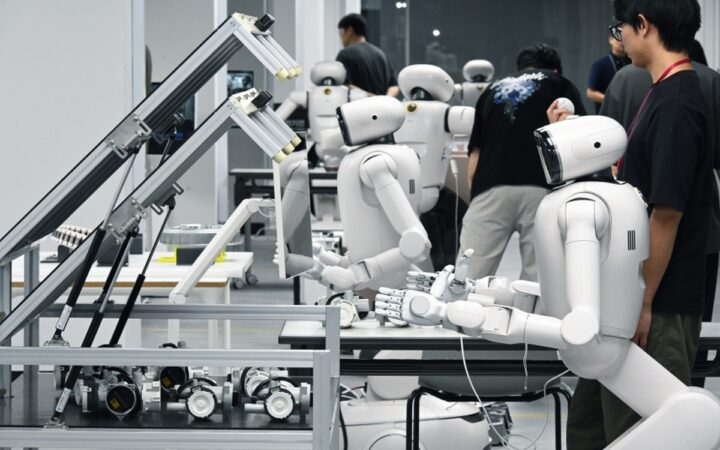
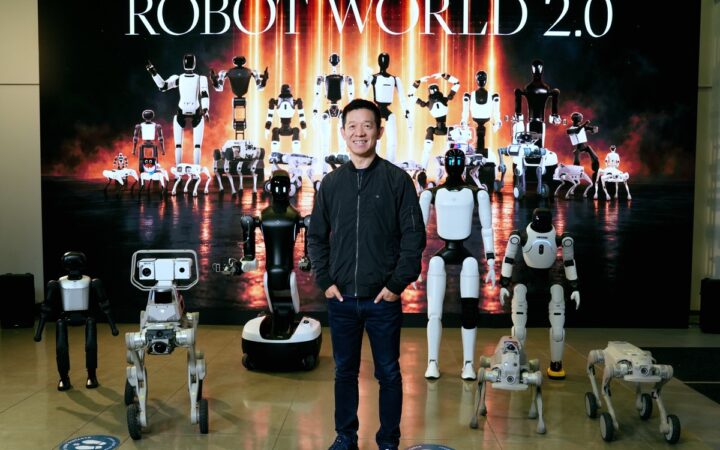
Shenzhen’s robotaxis and service robots are becoming a visible part of China’s technology pitch as the city prepares to host the 2026 Asia-Pacific Economic Cooperation meetings. The gathering puts operating autonomous services alongside the practical limits that determine where and how people can use them.
The APEC Economic Leaders’ Meeting is scheduled for November 18–19, following the CEO Summit on November 17–18, according to China’s official announcement. AP’s report from Shenzhen describes robotaxi trips restricted to designated locations and reduced services ahead of the summit, with drone deliveries suspended.
Robotaxis Expand Through Defined Commercial Services
Pony.ai is one of the companies operating driverless taxis in Shenzhen. Its partnership with Toyota also provides a fresh example of the wider commercialization effort: the companies announced on November 15 that their seventh-generation bZ4X robotaxi had entered fully driverless commercial service in Guangzhou.
That launch announcement says Guangzhou passengers can book the model around the clock through PonyPilot and partner mini-programs. It also describes testing and preparations in other major Chinese cities. The new bZ4X service is a Guangzhou milestone, distinct from Pony.ai’s existing Shenzhen operations.
The partners are working toward deploying about 1,000 bZ4X robotaxis across major Chinese cities. That target covers one vehicle model and should not be read as 1,000 new vehicles already working in Shenzhen. Pony.ai and Toyota also describe maintenance, charging and fleet servicing as part of the supporting infrastructure.
RobotsBeat’s XPENG YOYO coverage follows another Chinese robotaxi programme. Its overseas trials are targeted for 2027, showing why an announced expansion, a vehicle launch and a functioning local service need to be assessed separately.
Service Robots Take on Everyday Urban Work
Pudu Robotics offers another view of Shenzhen’s robotics activity. In an October deployment overview, the Shenzhen-founded company described its cleaning robots at Bao’an airport and border crossings, delivery systems in hotels and restaurants, and material-transport robots in factories.
Those jobs place different demands on the machines. Pudu says its CC1 cleaning series works around passengers and obstacles in terminal areas. Its FlashBot hotel robots transport supplies between floors using compatible elevator integration. At battery manufacturer Sunwoda, the company describes delivery robots moving materials between warehouses and production lines alongside cleaning equipment.
These are manufacturer-reported examples of existing applications, rather than a claim that every venue has become autonomous. A useful deployment still needs routes that fit the site, access to the relevant building systems and staff who can handle exceptions.
Our Pudu portfolio report examines the company’s effort to share AI capabilities across different robot designs. Shenzhen’s applications illustrate why that portfolio spans several bodies: transporting a meal, cleaning a terminal and moving factory materials require different physical equipment.
The Local Ecosystem Connects Development With Deployment
AP also reports Pudu’s view that Shenzhen’s nearby suppliers and customers make it easier to obtain components and visit operating sites. That proximity can shorten the feedback path between an engineering problem, a hardware change and a customer trial.
The operating requirements remain specific to each service. A robotaxi business needs vehicle availability, charging and maintenance as well as driving software. A hotel delivery system needs reliable movement through doors and elevators, while an airport cleaning robot must fit around changing passenger traffic.
APEC gives these systems an international audience, but an event-week encounter is only one view of their progress. The stronger test is sustained operation: which services remain available, what work they complete, how often staff intervene and whether customers continue using them after the summit ends.
Disclaimer: RobotsBeat is an independent media brand owned and operated by NuvexMedia LLC, publishing news, research, and insights on artificial intelligence, emerging technologies, automation, and related industries. NuvexMedia LLC invests in and collaborates with companies across the AI, Robotics, technology, software, and digital innovation sectors. These relationships do not influence RobotsBeat's editorial coverage, and the publication maintains full editorial independence to provide accurate, timely, and objective information. © 2026 NuvexMedia LLC. All rights reserved. This content is for informational purposes only and should not be considered legal, tax, investment, financial, or other professional advice.