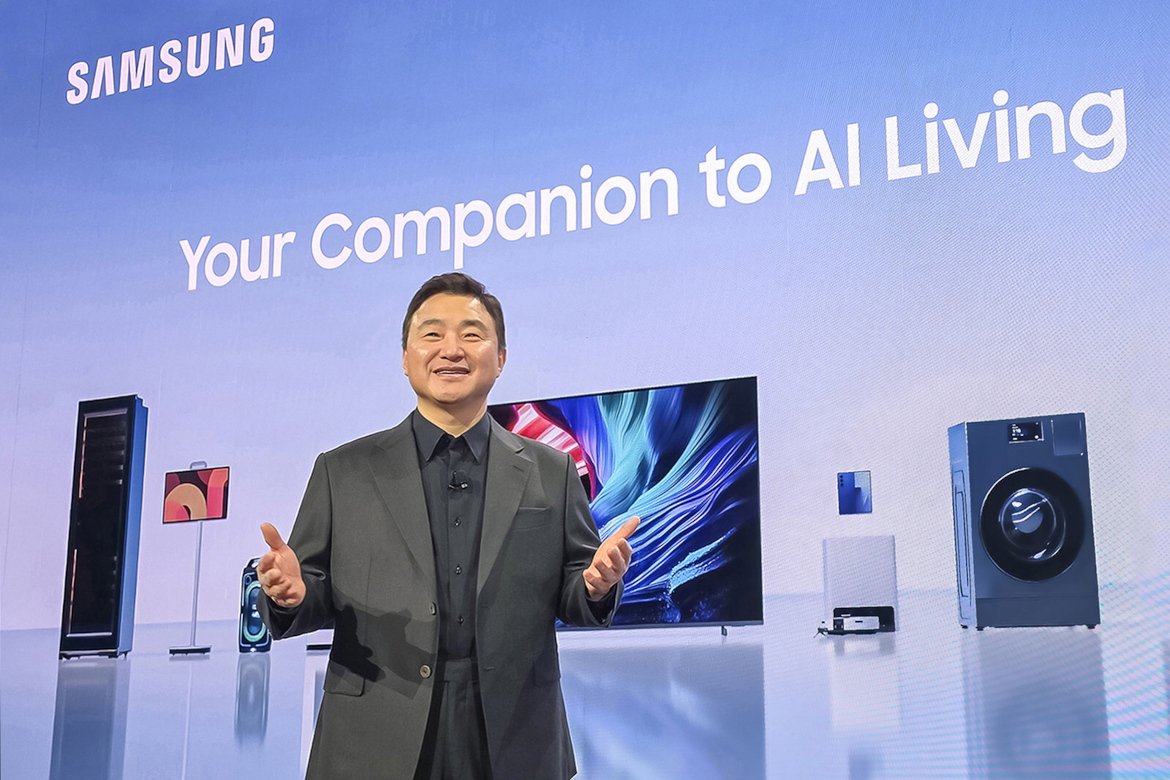

Samsung Electronics opened CES 2026 with a broad statement about the future of consumer technology, positioning artificial intelligence not as a feature but as the foundation of everyday living. At its annual First Look event in Las Vegas, the company introduced its “Companion to AI Living” vision, outlining how AI will connect devices, services, and experiences across the home.
Rather than focusing on a single product category, Samsung framed AI as a unifying layer across its ecosystem, spanning displays, home appliances, mobile devices, wearables, and services. Company executives emphasized that scale, connectivity, and on-device intelligence allow Samsung to move beyond basic automation toward more contextual and personalized experiences.
AI as the Core of the Entertainment Experience
Samsung’s display business showcased how AI is reshaping entertainment into a more interactive and lifestyle-oriented experience. The centerpiece of the lineup was a 130-inch Micro RGB display, which Samsung described as a major leap in screen size and color accuracy, driven by independent red, green, and blue light sources.
Supporting this hardware is Vision AI Companion, an AI system designed to act as an entertainment assistant rather than a passive interface. The system can recommend content, adjust sound and picture settings, and respond to natural language requests across Samsung’s 2026 TV lineup. AI-driven modes tailor experiences for sports, movies, and gaming, allowing users to fine-tune crowd noise, commentary, or background audio through voice commands.
Samsung also highlighted how Vision AI Companion extends beyond viewing. Users can ask for recipes based on food shown on screen, receive music recommendations to match their mood, or send content and instructions to other connected devices throughout the home. The goal, Samsung said, is to turn displays into active participants in daily routines.
Smart Homes That Anticipate Daily Needs
In the home appliance segment, Samsung presented AI-powered devices as companions that reduce friction in everyday tasks. Executives noted that SmartThings now serves more than 430 million users, giving Samsung a large data foundation to personalize experiences across households.
The Family Hub refrigerator remains central to this strategy. With an upgraded AI Vision system built on Google Gemini, the refrigerator can more accurately recognize and track food items, support meal planning, and automate grocery-related decisions. Features such as recipe recommendations, video-to-recipe conversion, and weekly food reports are designed to simplify decision-making rather than add complexity.
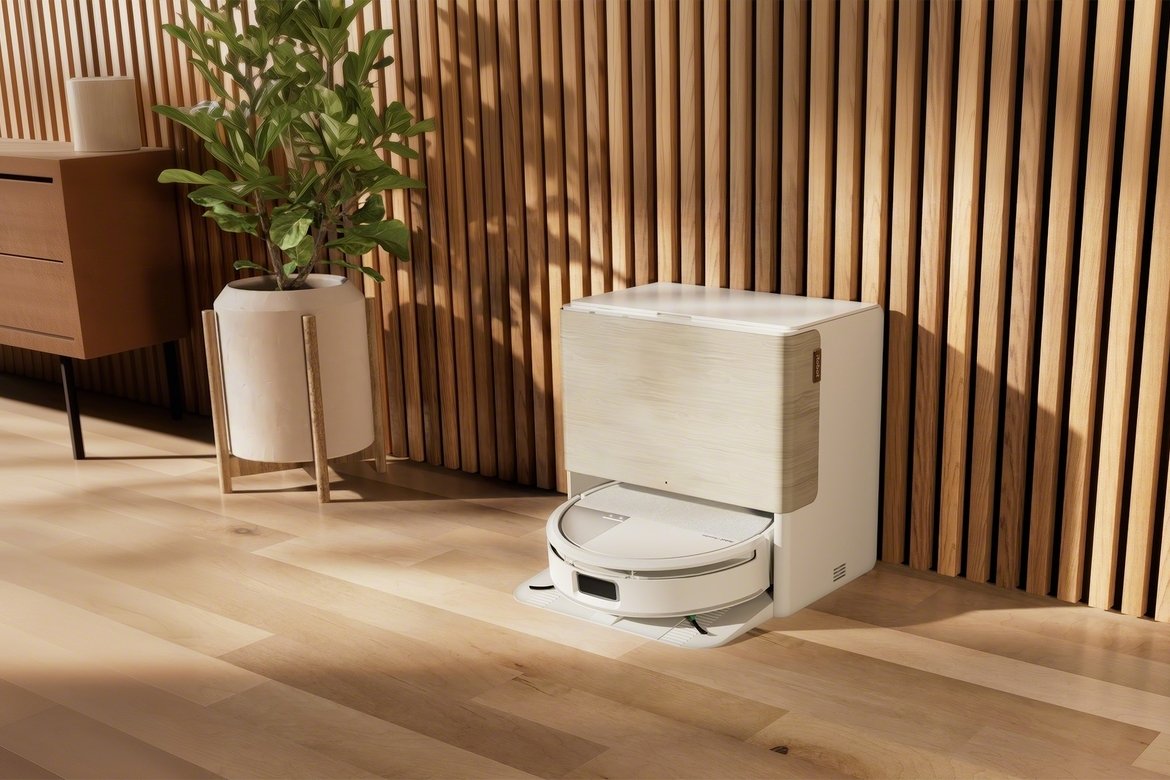
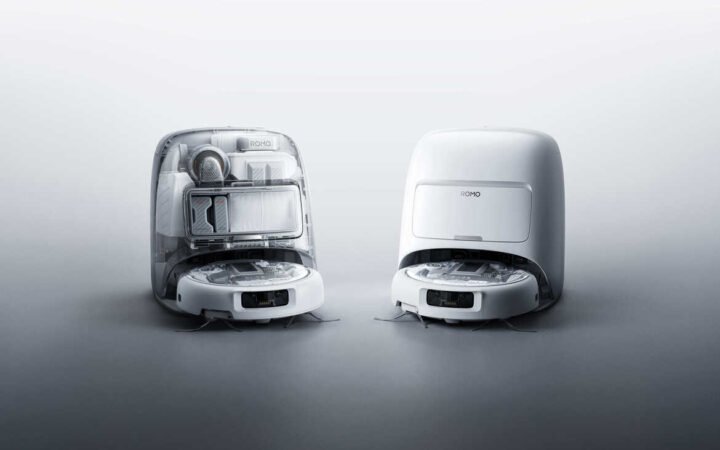
Samsung also showcased updates across laundry and home care. The Bespoke AI Laundry Combo removes the need to transfer loads between machines, while the latest AirDresser model uses air and steam to reduce wrinkles automatically. In floor care, the Bespoke AI Jet Bot Steam Ultra combines vision, 3D sensing, and conversational voice control to clean, monitor pets, and detect unusual activity while homeowners are away.
From Reactive Care to Proactive Wellbeing
Samsung’s long-term vision extends into digital health, where AI shifts care from reactive responses to proactive prevention. By connecting phones, wearables, appliances, and home devices, Samsung aims to detect early signs of health issues and provide personalized guidance for sleep, exercise, and nutrition.
The company described future scenarios in which connected devices suggest meals aligned with health goals, flag unusual patterns in mobility or sleep, and enable secure sharing of health data with providers through integrated platforms. Samsung also highlighted ongoing research into dementia detection, using wearables to identify subtle changes in movement, speech, and engagement over time.
Security remains a key pillar of this ecosystem. Samsung emphasized that Knox and Knox Matrix underpin its AI strategy, protecting user data across devices and continuously adapting to emerging AI-related risks.
By presenting AI as a companion woven into daily life rather than a collection of isolated tools, Samsung used CES 2026 to signal a shift toward more holistic, software-driven experiences. The company’s message was clear: the next phase of consumer technology will be defined not by individual devices, but by how intelligently they work together.