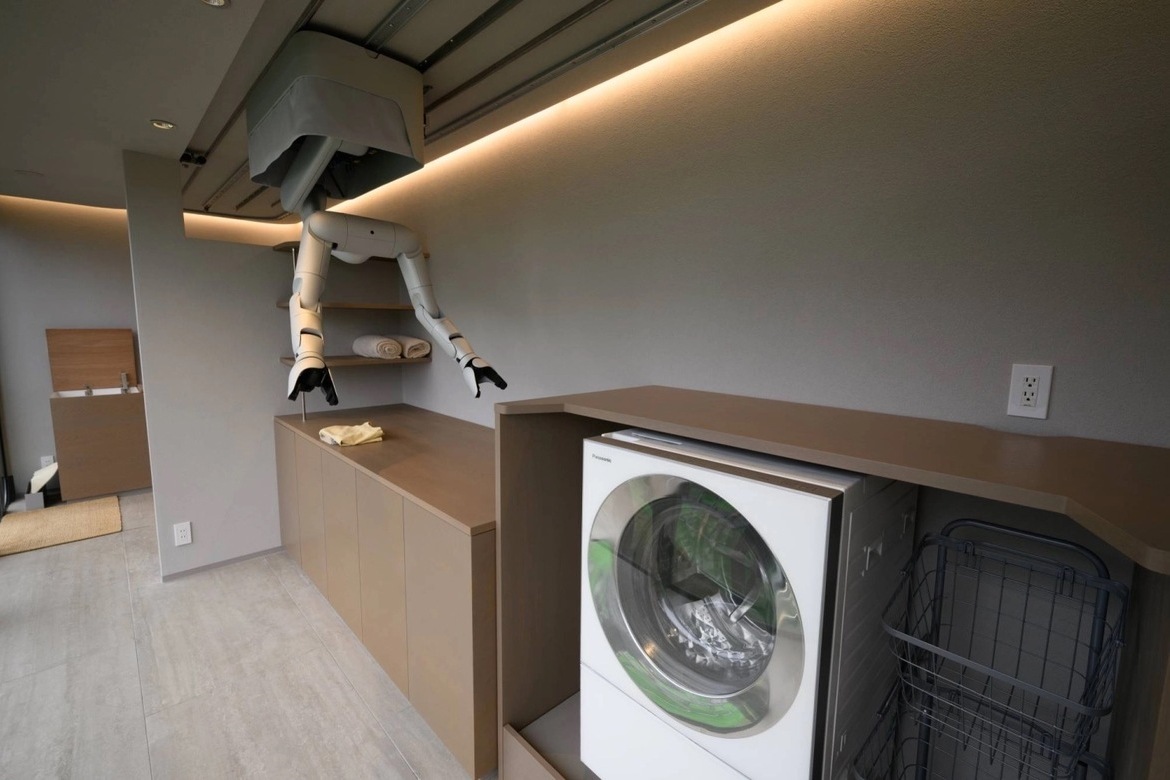

Google DeepMind has launched the Google DeepMind Accelerator: Robotics, a three-month program for early-stage robotics startups across Europe. The inaugural cohort of 15 companies kicked off in London this week, gaining access to Google DeepMind’s AI stack, technical expertise, and Gemini robotics models alongside hands-on mentorship from Google DeepMind and Google experts. The program covers technical guidance, product development support, and access to a network of industry partners.
The accelerator reflects Google DeepMind’s push to extend its AI capabilities from language and vision into physical systems – robots that perceive, reason, and act in real-world environments rather than digital ones.
The Cohort
The 15 selected startups span a wide range of robotics applications. In industrial automation, 3D-Components AS from Norway is developing RobTrack, a platform that automates parameter selection and quality control for robotic welding and metal 3D printing, claiming 280 times faster performance than current practices. Acumino from Greece is building hardware-agnostic physical AI for complex industrial tasks. Qualia from Denmark is building infrastructure to turn robotic foundation models into working deployments for manual labor automation.
In construction, AUAR from the UK deploys robotic MicroFactories directly to construction sites to lower the cost of homebuilding. Deltia from Germany digitizes production-line workflows into process graphs that support manual process optimization and repetitive task automation.
In healthcare and life sciences, Adapta Robotics from Romania applies physical AI to automated device and software testing across healthcare, automotive, and consumer electronics. ROBEAUTE from France is building microrobots designed to navigate brain tissue for the diagnosis, treatment, and monitoring of neuropathology – establishing what it describes as a new physical infrastructure layer in neurosurgery.
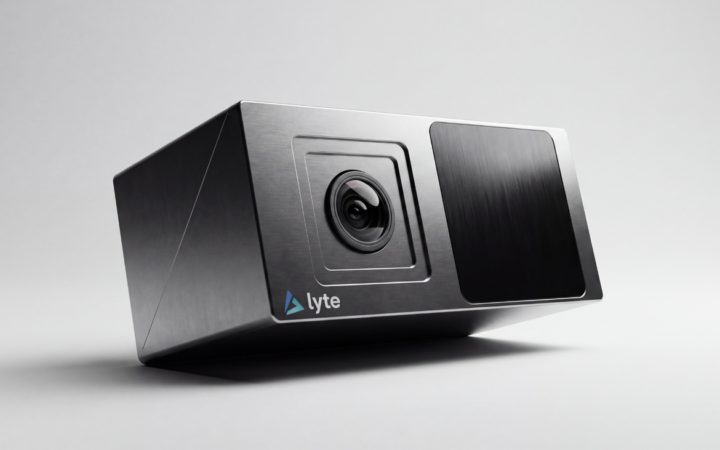
Two companies focus on robot sensing and dexterity. Touchlab from the UK develops electronic skin using advanced nano inks to give robots high-resolution touch across flexible surfaces. Staer from Sweden uses computer vision on existing cameras and sensors to build 3D spatial models of facilities, providing robots with shared environmental awareness.
Extend Robotics and Embodied AI address the data pipeline challenge: Extend Robotics provides teleoperation software and data pipelines for training and fine-tuning foundation models, while Embodied AI deploys teleoperated humanoids that collect manipulation data during active customer service to continuously improve their skills.
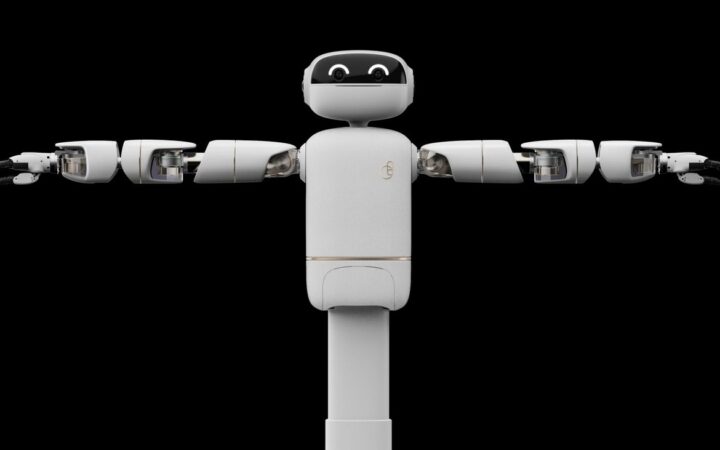
Rounding out the cohort, Bubble Robotics from France is building a vessel-free constellation of self-docking surface and subsea robots for underwater autonomy. Danu Robotics from the UK automates complex waste sorting for material recovery. Forgis from Switzerland develops AI agents that predict industrial machine failures and optimize operations. Generative Bionics from Italy is developing humanoid robots built on physical AI with a stated ambition to scale globally from a European foundation.
The Strategic Context
The accelerator arrives as Europe attempts to build a competitive position in physical AI against the United States and China. The VDMA study earlier this year identified capital availability as Europe’s primary structural disadvantage, and programs like the Google DeepMind Accelerator provide early-stage companies with the AI model access and technical expertise that would otherwise require significant independent investment to acquire. Access to Gemini robotics models in particular gives cohort members a foundation model capability that most early-stage startups cannot develop independently.
Disclaimer: RobotsBeat is an independent media brand owned and operated by NuvexMedia LLC, publishing news, research, and insights on artificial intelligence, emerging technologies, automation, and related industries. NuvexMedia LLC invests in and collaborates with companies across the AI, Robotics, technology, software, and digital innovation sectors. These relationships do not influence RobotsBeat's editorial coverage, and the publication maintains full editorial independence to provide accurate, timely, and objective information. © 2026 NuvexMedia LLC. All rights reserved. This content is for informational purposes only and should not be considered legal, tax, investment, financial, or other professional advice.