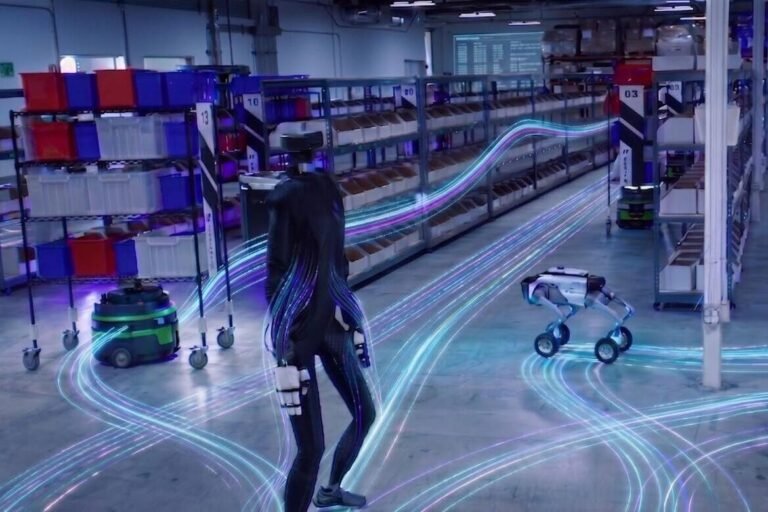
Skild AI Acquires Zebra Robotics Unit to Build Unified Warehouse Automation Layer
Skild AI has acquired Zebra Technologies’ robotics automation business, aiming to unify fragmented warehouse systems under a single AI-driven control layer.
Robots & Robotics covers the machines, systems, and technologies that enable physical automation and intelligent interaction with the real world. This topic focuses on the design, development, and deployment of robotic platforms across industrial, commercial, and public environments. Coverage includes robotic hardware, sensing and actuation, control systems, autonomy, and human-robot interaction. It also examines how advances in artificial intelligence, software, and materials are expanding the capabilities of robots beyond controlled settings into complex, dynamic environments. From factory floors to healthcare, logistics, and service applications, robotics plays a growing role in productivity, safety, and operational efficiency. As robots become more adaptable and widely deployed, this topic provides context on the technological progress and challenges shaping the future of physical intelligent systems.
Skild AI has acquired Zebra Technologies’ robotics automation business, aiming to unify fragmented warehouse systems under a single AI-driven control layer.

A viral humanoid robot chasing wild boars in Warsaw has drawn attention to the rapid global spread of Chinese robotics hardware.
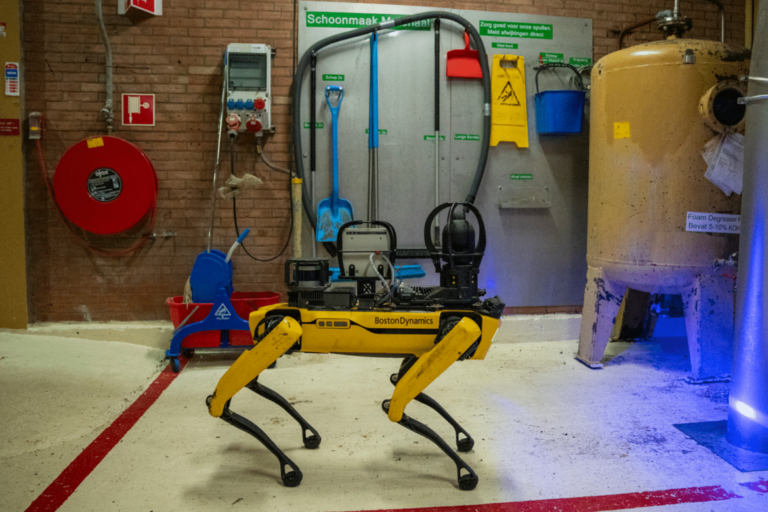
Boston Dynamics has integrated Google’s Gemini robotics model into its Spot platform, enhancing reasoning and inspection capabilities in industrial environments.

Google has introduced a new AI model that improves how robots understand, plan, and act in real-world environments, marking progress in embodied reasoning.

Unitree is bringing its lowest-cost humanoid robot to global markets via AliExpress, signaling a shift toward early consumer adoption of robotics.
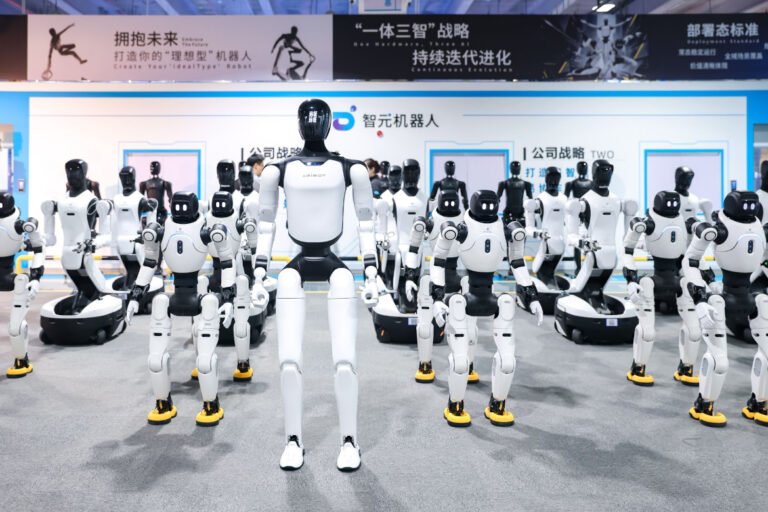
AGIBOT introduced Genie Sim 3.0, a unified platform combining simulation, data generation, and benchmarking to accelerate embodied AI development.

Global shipments of humanoid and quadruped robots are projected to reach 810,000 units by 2030, as enterprise adoption replaces early experimentation.

Gig workers across more than 50 countries are recording household tasks to train humanoid robots, revealing a new data economy behind physical AI.
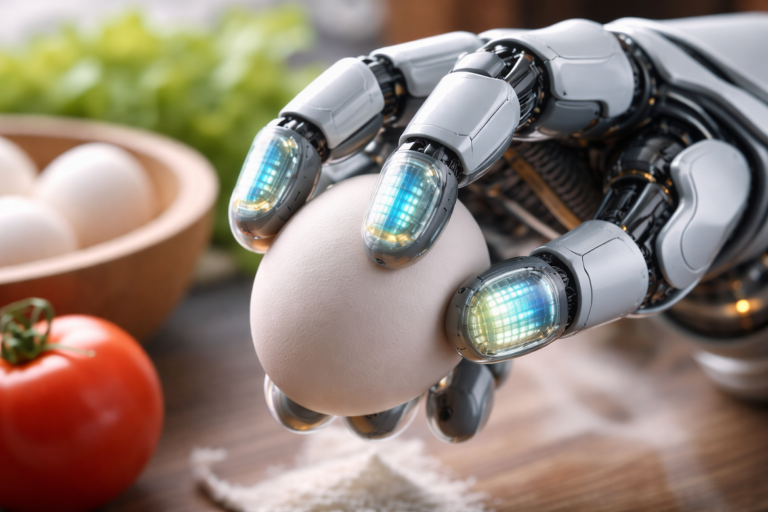
Researchers have developed a flexible sensor that allows robots to detect gentle touch with high precision, marking a step toward safer human-machine interaction.
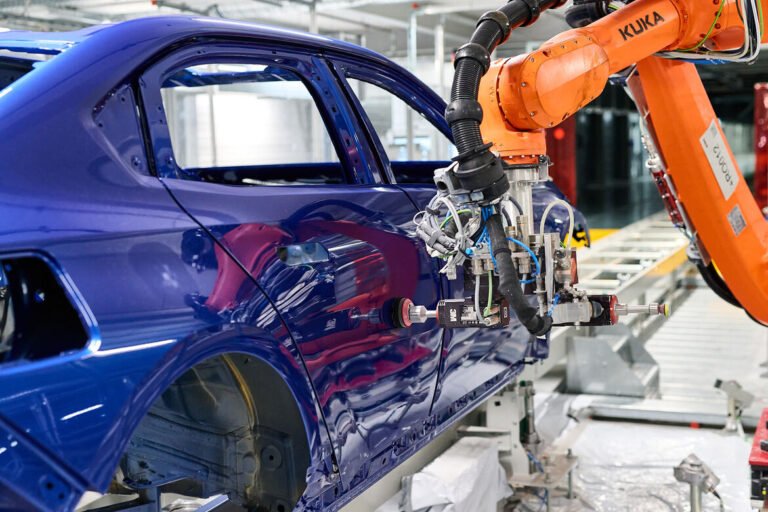
BMW has overhauled its Munich plant with an AI-driven production system and thousands of robots, signaling a shift toward software-defined manufacturing for electric vehicles.

Researchers are developing DNA-based nanorobots capable of delivering drugs and targeting viruses, though the technology remains in early experimental stages.
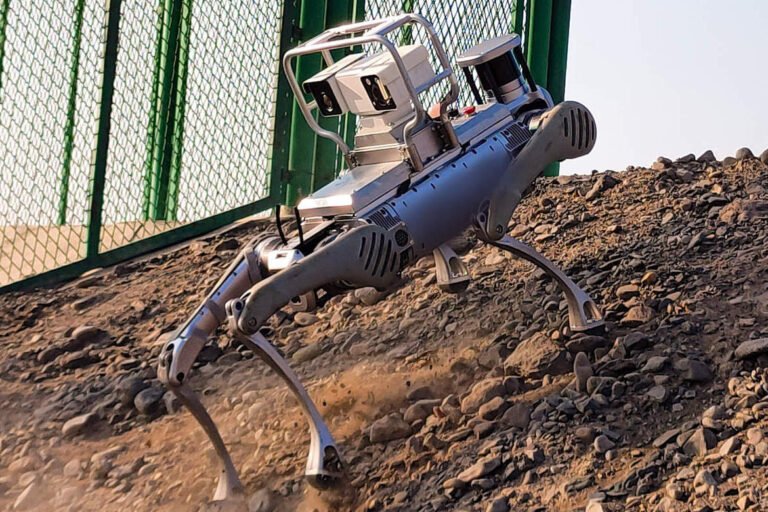
Unitree Robotics has filed for a Shanghai IPO after becoming the world’s largest humanoid robot seller, signaling a shift from experimentation to early commercialization.