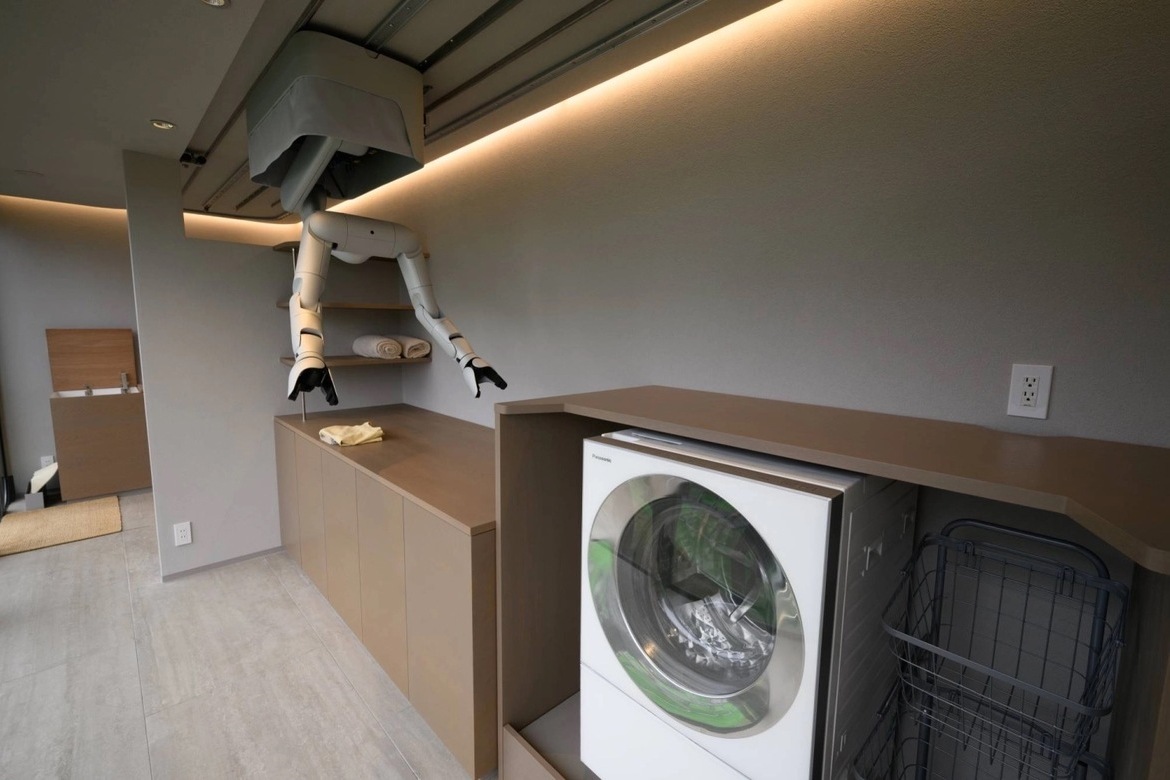
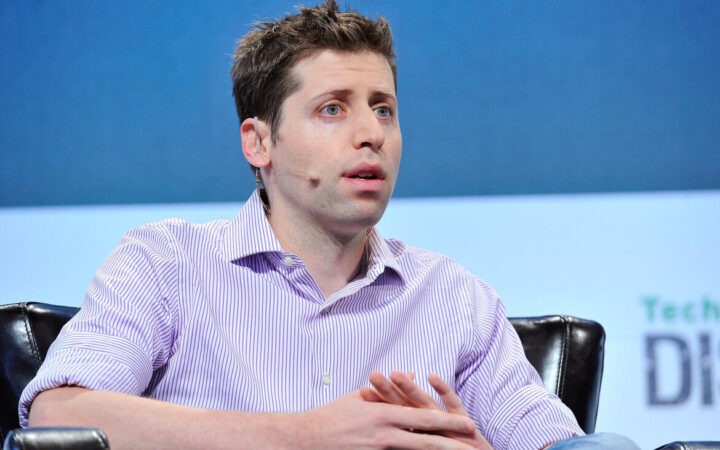
OpenAI has launched a dedicated robotics division, OpenAI Robotics, tasked with developing hardware, controls, systems, and machine learning for humanoid robots. CEO Sam Altman announced the initiative on X over the weekend, describing it as building humanoid robots that “help people in the physical world” – starting with skilled labor on infrastructure projects and scaling toward what he called “a personal robot for everyone”.
OpenAI Robotics is hiring, looking for exceptional full-stack hardware, ops, systems, and ML engineers to help us program and manufacture robots that are useful for society.
AI should be able to help people in the physical world. In the short term, we are focused on robots to…
— Sam Altman (@sama) May 31, 2026
The announcement positions OpenAI as a direct competitor to Tesla’s Optimus program before Optimus has reached commercial production, and arrives after Altman and Elon Musk concluded a legal dispute last month that Altman emerged from with OpenAI’s nonprofit-to-for-profit conversion proceeding as planned.
Tesla’s stock declined on the news, reflecting investor concern that Optimus – long marketed as a cornerstone of Tesla’s path to a multitrillion-dollar valuation – now faces a credible AI-first challenger.
Why OpenAI’s Entry Is Strategically Significant
OpenAI’s core asset is its AI model capability. The company that built GPT-4, o3, and the systems underlying much of the current generative AI wave entering robotics is a substantively different proposition from hardware-first competitors. The central bottleneck in humanoid robotics is increasingly the AI layer – the foundation models and embodied intelligence systems that allow robots to generalize across tasks and environments. OpenAI’s competitive advantage maps directly onto that constraint.
The company has been building toward physical AI capability through a series of steps: its investment in Figure AI, the acquisition of humanoid robotics startup Assured Robot Intelligence alongside Meta’s parallel acquisition in the same period, and now the formalization of an internal robotics division with its own hardware development mandate.
Tesla’s Optimus Timeline
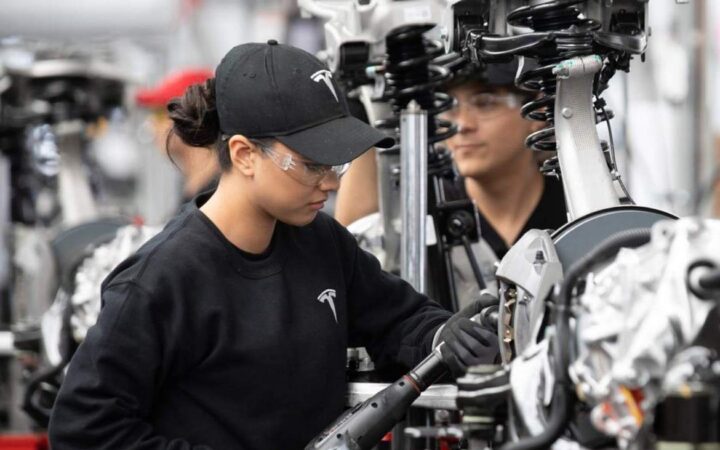
Tesla’s Optimus program is simultaneously advancing toward its own commercial milestones. Production of Model S and Model X ended in early May, and the Fremont line is being retrofitted into a dedicated Optimus assembly cell, with conversion slated to complete in late July or August. That timeline aligns with the long-delayed Optimus Gen 3 reveal Musk signaled for the July-August window during Tesla’s Q1 earnings call.
Tesla currently has some Optimus Gen 3 units operating across its own facilities – primarily Gigafactory Texas and Fremont – handling repetitive tasks including battery assembly. The Fremont conversion is designed to scale toward annual capacity of approximately one million units, though current production remains at low volume as the manufacturing infrastructure is established.
A Busy Period for Musk
The OpenAI robotics announcement arrives at a particularly dense moment for Musk’s portfolio. SpaceX has filed for an IPO on the Nasdaq under the ticker SPCX, targeting a valuation between $1.75 trillion and $2 trillion and up to $75 billion raised – which would be the largest IPO in history. Musk holds approximately 42% equity and 85% voting power. Tesla disclosed a $2 billion equity stake in SpaceX in its Q1 filing, and the two companies are jointly building the Terafab chip fabrication plant in Texas and collaborating on orbital data center infrastructure.
Whether a competitive robotics division from the world’s leading AI lab accelerates or complicates Tesla’s Optimus commercial timeline will depend significantly on how quickly OpenAI can move from division launch to deployable hardware – a transition that has proven difficult even for well-funded robotics-native companies.
Disclaimer: RobotsBeat is an independent media brand owned and operated by NuvexMedia LLC, publishing news, research, and insights on artificial intelligence, emerging technologies, automation, and related industries. NuvexMedia LLC invests in and collaborates with companies across the AI, Robotics, technology, software, and digital innovation sectors. These relationships do not influence RobotsBeat's editorial coverage, and the publication maintains full editorial independence to provide accurate, timely, and objective information. © 2026 NuvexMedia LLC. All rights reserved. This content is for informational purposes only and should not be considered legal, tax, investment, financial, or other professional advice.