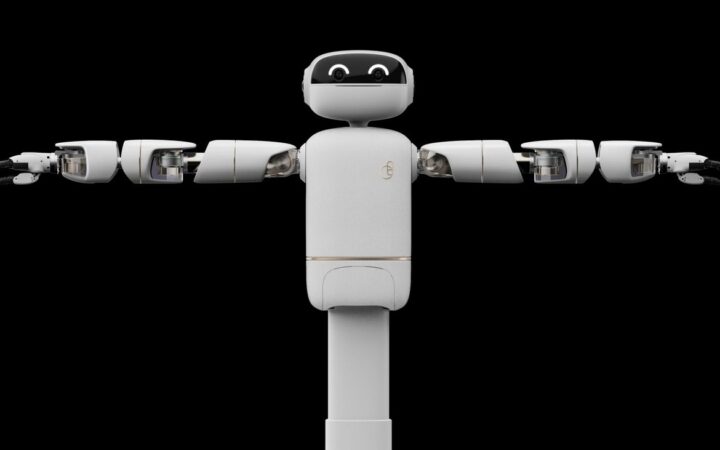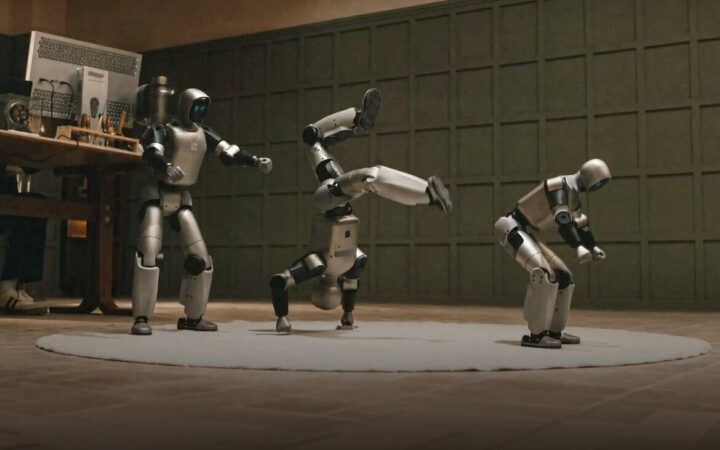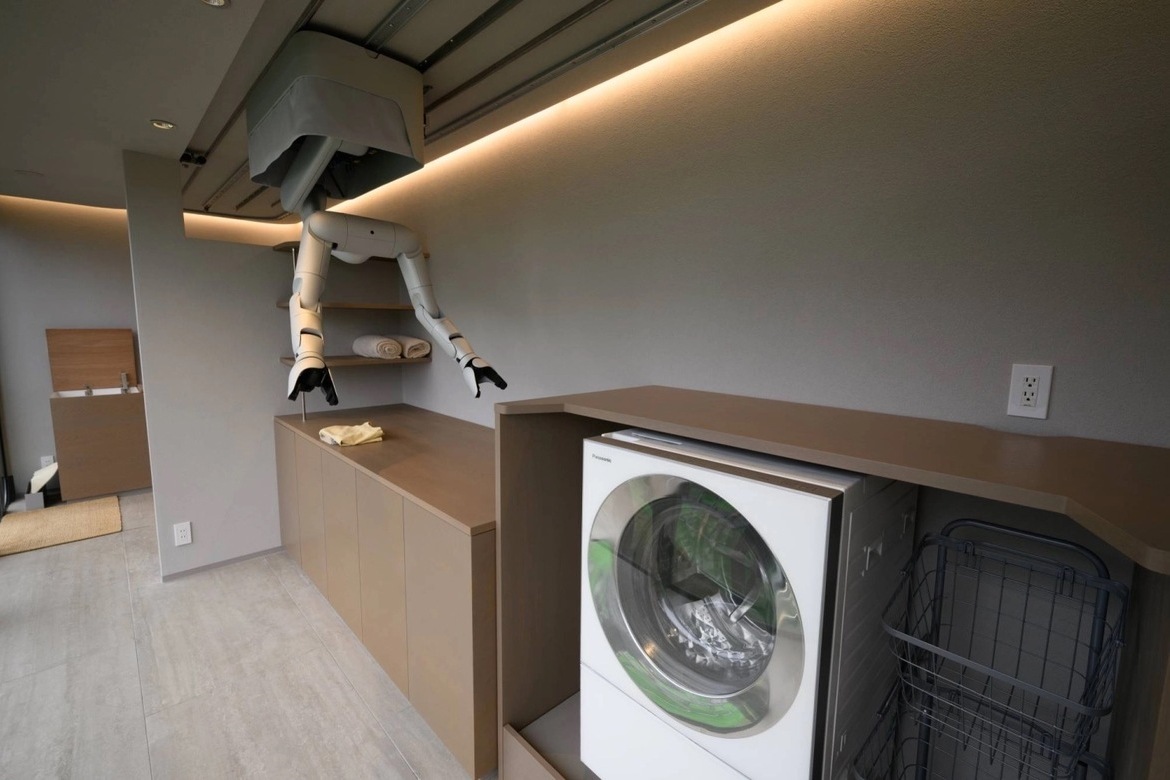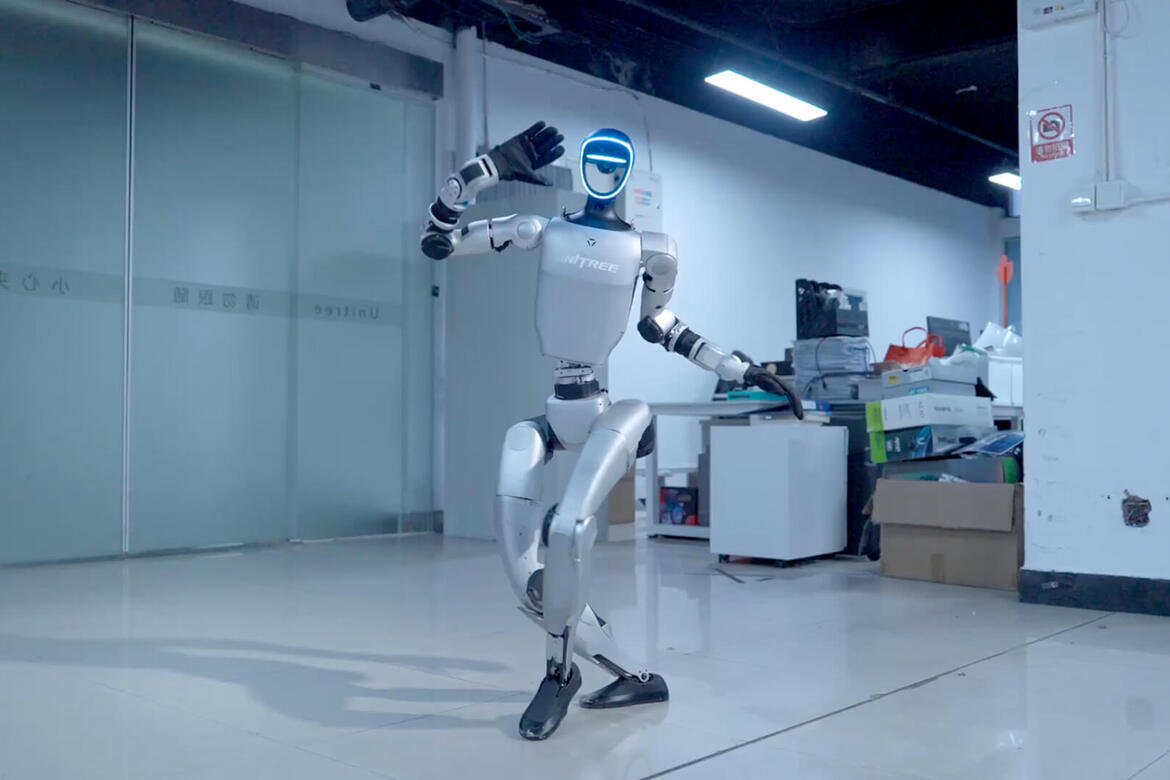

Unitree Robotics passed its Shanghai STAR Market listing committee review on June 1, clearing the key regulatory hurdle that opens the door to IPO registration and issuance. The approval makes Unitree the first humanoid robot developer on track for listing on China’s domestic A-share market. The IPO review was completed in 73 days from Unitree’s March 20 application date – a pace that reflects Beijing’s push to accelerate listings by high-technology companies in strategic sectors.
Unitree aims to raise 4.2 billion yuan by offering at least 40.4 million shares, representing a minimum 10% stake. Proceeds are allocated to robot hardware R&D, embodied AI model development, and manufacturing facility construction.
Financial Performance
The company posted revenue of 1.699 billion yuan in 2025 and net profit of 590 million yuan, with a gross profit margin of 60.13% for its core businesses. Revenue grew from 159 million yuan in 2023 to 393 million yuan in 2024 and 1.699 billion yuan in 2025, while net profit moved from a loss of 11 million yuan to 95 million yuan and then 278 million yuan over the same period.
The growth trajectory is strong, but recent quarters show margin pressure. First-quarter 2026 adjusted net profit fell more than 52% year-on-year to 40.3 million yuan despite 68% revenue growth, as R&D and sales expenses increased significantly. The company expects operating income from January to June 2026 to be between 1.052 billion yuan and 1.128 billion yuan, representing year-on-year growth of 35.62% to 45.41%.
A Wave of Humanoid IPOs
Unitree joins competitors in a rush to public markets. Dobot, already listed in Hong Kong, is pursuing a dual listing on Shenzhen’s ChiNext board, while Leju Robotics and Deep Robotics are also advancing toward IPOs in Shenzhen and Shanghai, respectively.
“The humanoid IPO wave will raise market interest in robotics equities,” said Zhong Sheng, head of China industrials research at Morgan Stanley. Sheng added that IPO funding for Chinese humanoid robot companies is generally expected to focus on R&D – particularly AI model development – with relatively less allocated to expanding production capacity, as the current priority is commercialization and increasing shipments.
Competitive Risks and Market Context
Unitree’s own prospectus acknowledged competitive risks, citing Tesla’s Optimus project and market entry by Chinese automakers and consumer electronics companies as factors that could affect its position. UBS forecast global humanoid robot shipments would reach 30,000 units in 2026 – a figure that, if accurate, would represent continued rapid growth from 2025’s approximately 13,000-18,000 units across various estimates, while remaining a fraction of the million-unit annual production targets that Tesla and others have publicly stated.
As a bellwether for the Chinese humanoid sector, Unitree’s public listing will establish the first liquid domestic benchmark valuation for a pure-play humanoid robot company in China – a reference point that will shape how investors price the IPO pipeline of competitors now advancing through the same regulatory process.
Disclaimer: RobotsBeat is an independent media brand owned and operated by NuvexMedia LLC, publishing news, research, and insights on artificial intelligence, emerging technologies, automation, and related industries. NuvexMedia LLC invests in and collaborates with companies across the AI, Robotics, technology, software, and digital innovation sectors. These relationships do not influence RobotsBeat's editorial coverage, and the publication maintains full editorial independence to provide accurate, timely, and objective information. © 2026 NuvexMedia LLC. All rights reserved. This content is for informational purposes only and should not be considered legal, tax, investment, financial, or other professional advice.