
Rivian-Founded Mind Robotics Secures $500 Million for Industrial AI
Mind Robotics, a startup spun out of electric vehicle maker Rivian, has raised $500 million to develop AI-powered industrial robots designed for more adaptable factory automation.
Industrial robotics refers to the use of programmable robotic systems in manufacturing and production environments to automate repetitive, precise, or physically demanding tasks. These robots are commonly deployed for assembly, welding, painting, material handling, packaging, and quality inspection across industries such as automotive, electronics, food production, and heavy manufacturing. This topic explores the evolution of industrial robots from isolated, fixed systems to flexible, sensor-rich platforms integrated with AI, vision systems, and advanced control software. It also covers collaborative robots (cobots), system integration, safety standards, and the role of robotics in smart factories and Industry 4.0 initiatives. As manufacturers pursue higher efficiency, consistency, and resilience, industrial robotics remains a core pillar of global automation and modern production infrastructure.
Mind Robotics, a startup spun out of electric vehicle maker Rivian, has raised $500 million to develop AI-powered industrial robots designed for more adaptable factory automation.
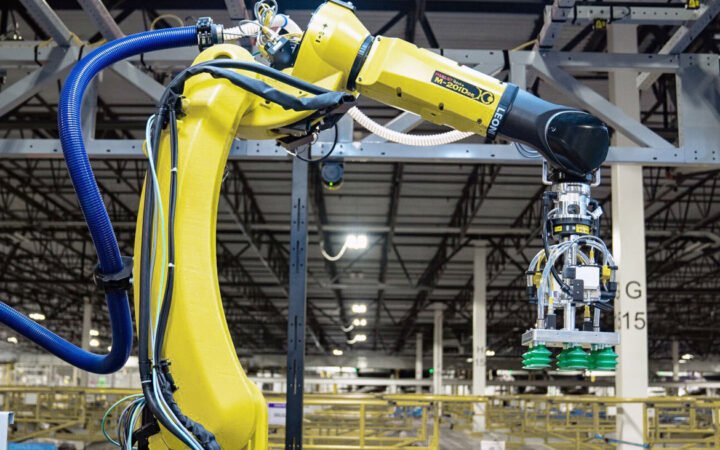
Amazon plans to invest AU$750 million in a new robotics-enabled fulfillment center in Brisbane, Australia, designed to process more than 125 million packages annually with the help of automated systems.
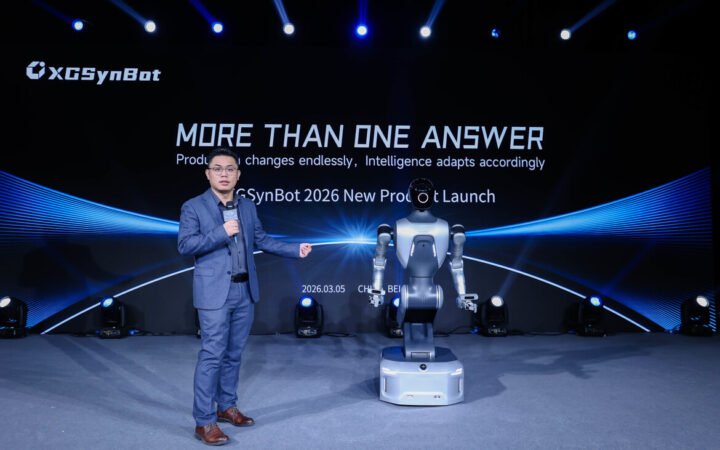
XGSynBot has introduced the Z1 wheeled humanoid robot designed for industrial environments, positioning the system as a flexible platform aimed at closing the gap between AI prototypes and real factory automation.
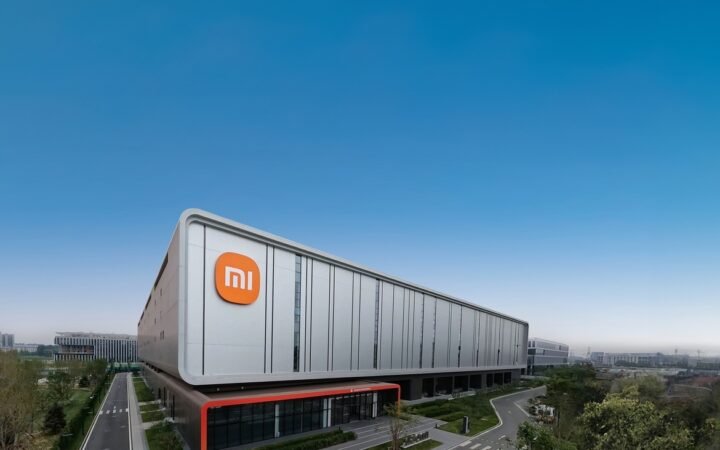
Xiaomi has deployed a humanoid robot on its EV assembly line, marking a step toward large-scale industrial use of embodied AI in automotive manufacturing.

Unitree Robotics has introduced the AS2 quadruped robot, combining high-speed mobility, heavy payload capacity, and LiDAR-enabled autonomy for industrial and field applications.
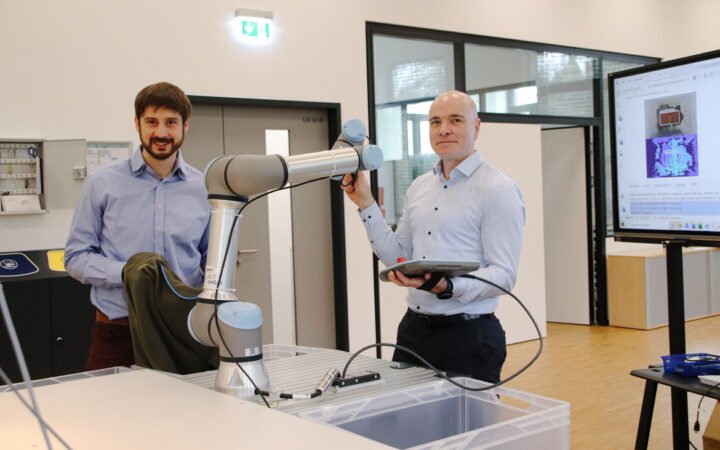
Researchers at Osnabrück University are building an AI-powered robotic system to identify and sort smart textiles, aiming to make e-textile recycling scalable and sustainable.
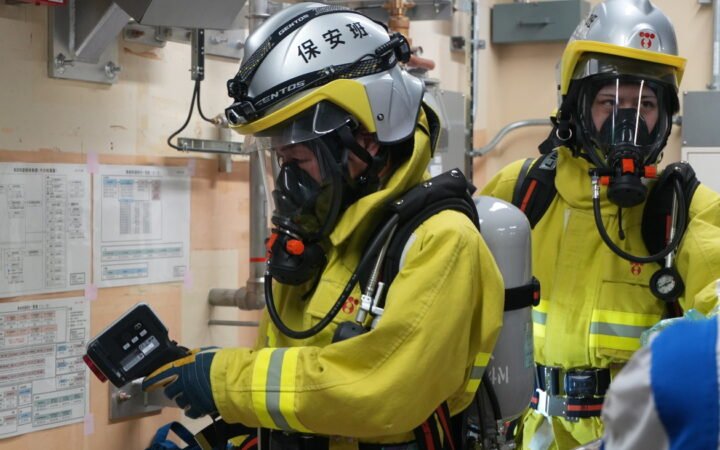
Tokyo Electric Power Company has introduced a 22 meter robotic arm designed to remove radioactive debris from the Fukushima nuclear plant, marking a key step in long-term decommissioning efforts.

Xpeng has started building a dedicated humanoid robot manufacturing base in Guangzhou, aiming to achieve large-scale production by 2026 using vertically integrated AI and robotics technology.
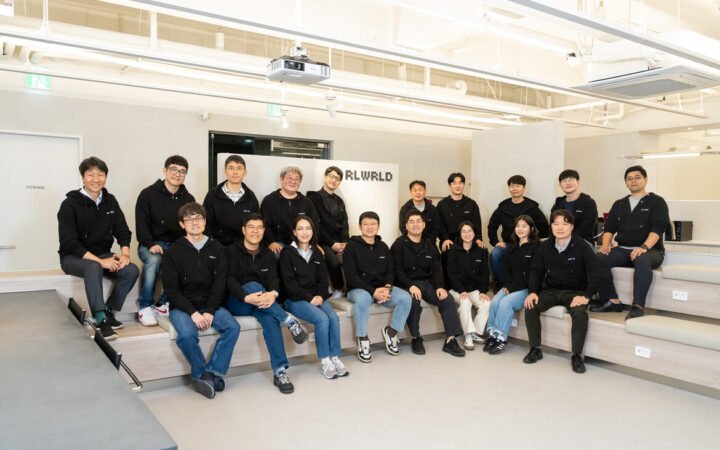
RLWRLD has raised $26 million in new funding to develop robotics foundation models trained in real industrial environments, accelerating deployment across logistics and manufacturing.
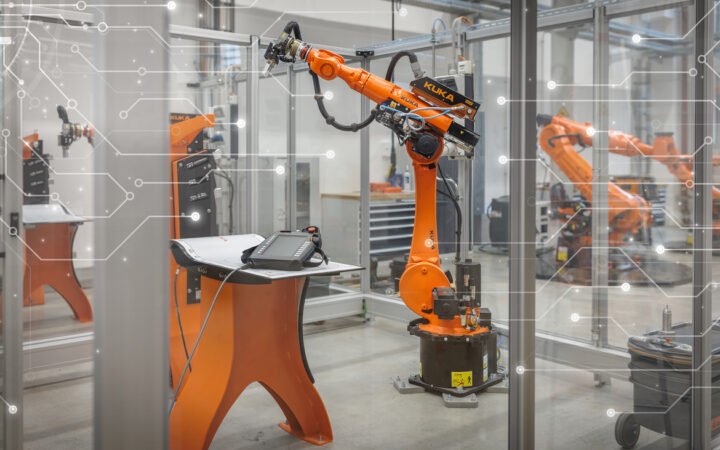
Germany’s robotics industry is projected to shrink again in 2026, raising concerns that Europe’s largest automation hub is losing ground to faster-growing competitors in Asia and North America.