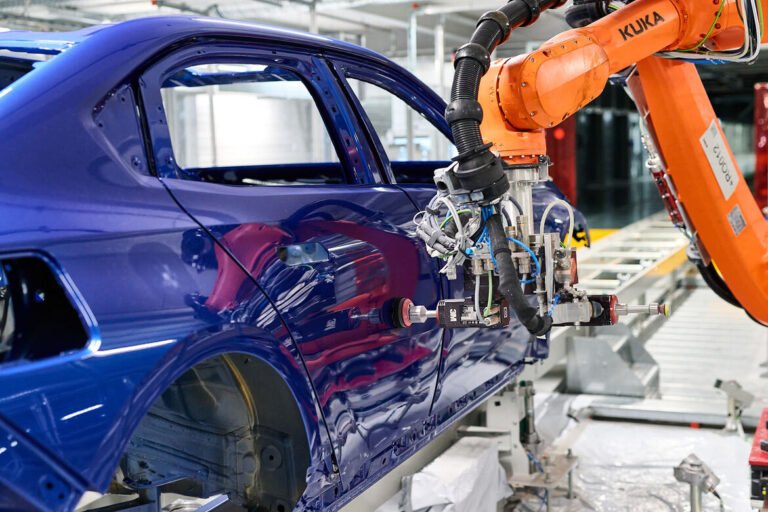
BMW Rebuilds Munich Plant Around AI Brain and 2000 Robots
BMW has overhauled its Munich plant with an AI-driven production system and thousands of robots, signaling a shift toward software-defined manufacturing for electric vehicles.
Physical AI refers to artificial intelligence systems that perceive, reason, and act in the physical world through sensors, actuators, and embodied control. Unlike purely digital AI, Physical AI connects software intelligence with real-world interaction, enabling robots, autonomous machines, and smart devices to move, manipulate objects, and respond to dynamic environments. This topic covers perception, motion planning, control systems, and learning-based behaviors used in robotics, autonomous vehicles, and industrial automation. It also explores simulation, digital twins, and real-world training methods that bridge the gap between virtual models and physical execution. As AI increasingly leaves the screen and enters the real world, Physical AI represents a critical foundation for scalable, intelligent machines operating outside controlled environments.
BMW has overhauled its Munich plant with an AI-driven production system and thousands of robots, signaling a shift toward software-defined manufacturing for electric vehicles.
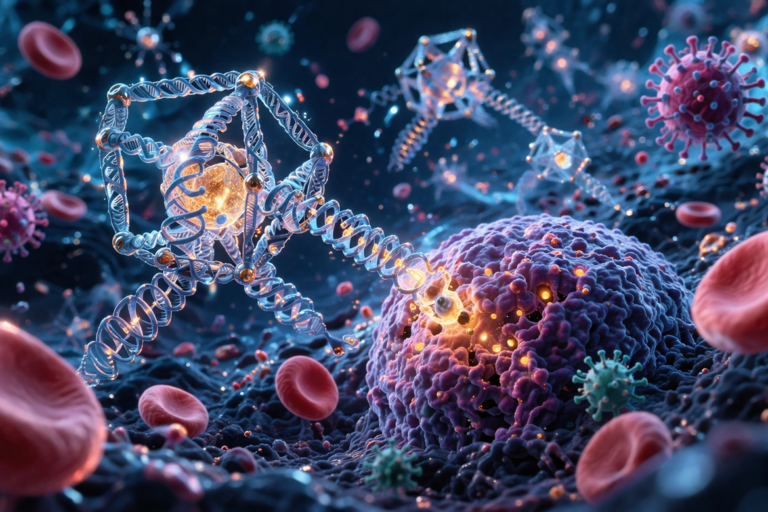
Researchers are developing DNA-based nanorobots capable of delivering drugs and targeting viruses, though the technology remains in early experimental stages.

LG CNS has partnered with Silicon Valley robotics startups to strengthen its physical AI capabilities, combining robot foundation models with new hardware platforms.
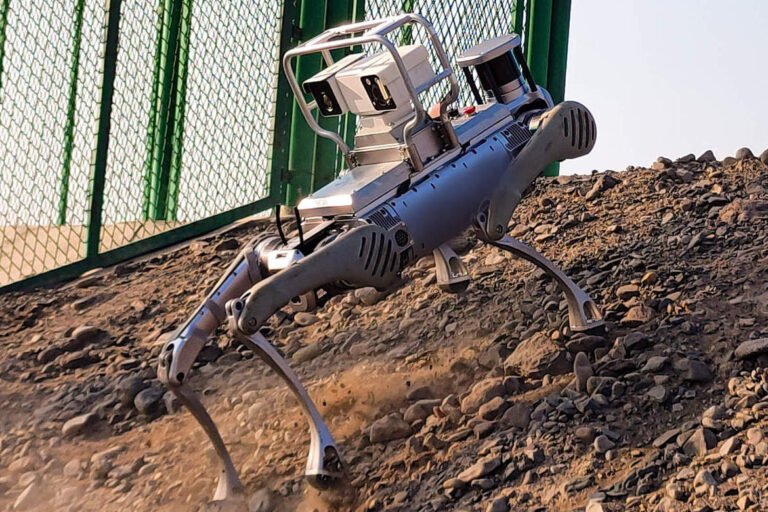
Unitree Robotics has filed for a Shanghai IPO after becoming the world’s largest humanoid robot seller, signaling a shift from experimentation to early commercialization.
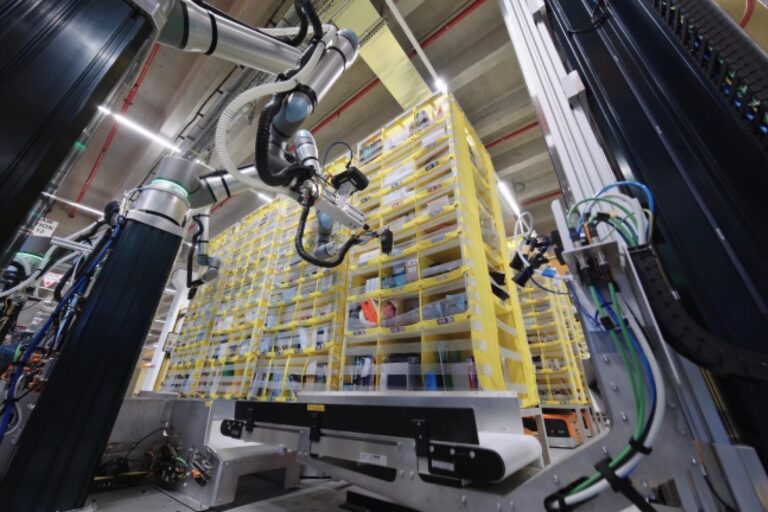
New research suggests increased robotics adoption could add AUD $201 billion to Australia’s GDP by 2040, but commercialization and deployment remain key challenges.

LimX Dynamics has introduced its new humanoid robot Luna at a consumer-facing event, signaling a shift from industrial robotics toward public interaction and lifestyle applications.
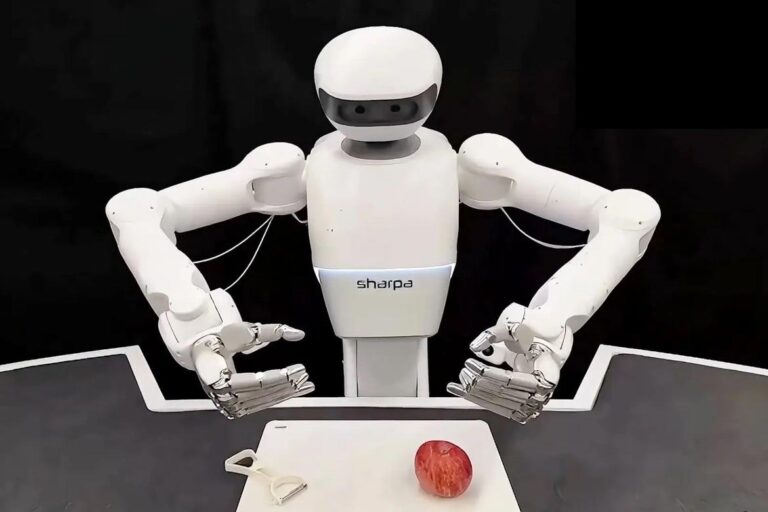
Sharpa has unveiled a humanoid robot capable of peeling an apple autonomously, highlighting advances in dexterous manipulation powered by multimodal AI systems.
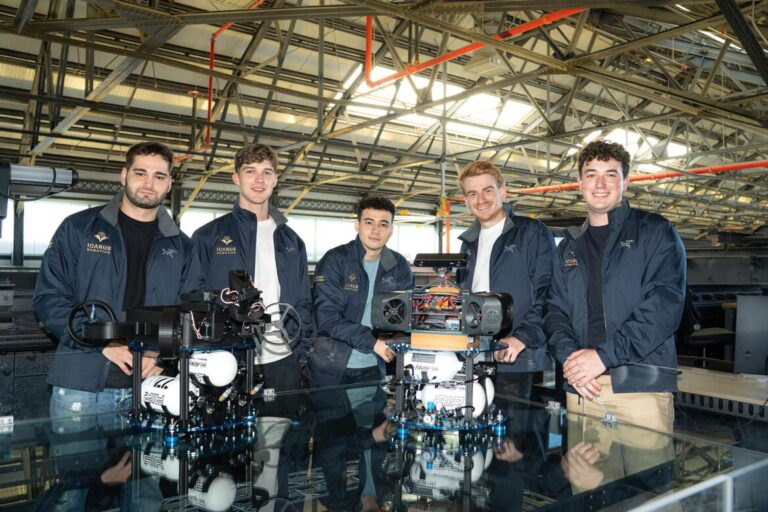
Startup Icarus Robotics is preparing to test autonomous free-flying robots aboard the ISS, aiming to automate routine tasks in space operations.
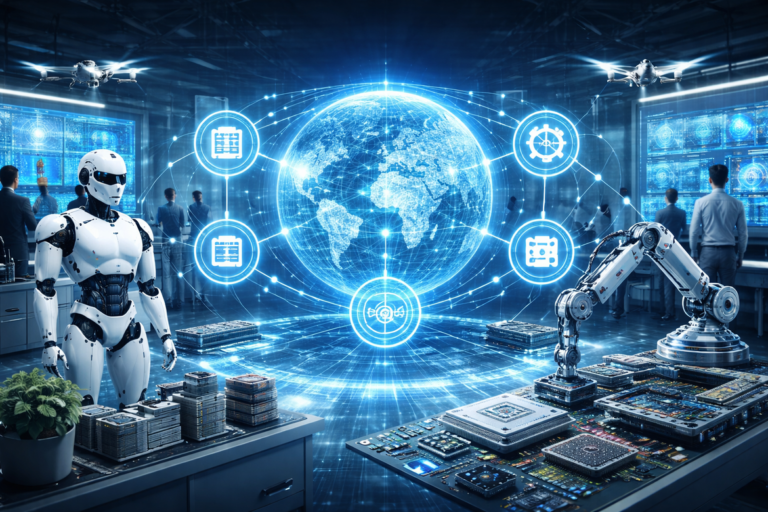
Comtech is building a global ecosystem linking chips, software and robotics companies, aiming to accelerate commercialization of embodied AI systems.
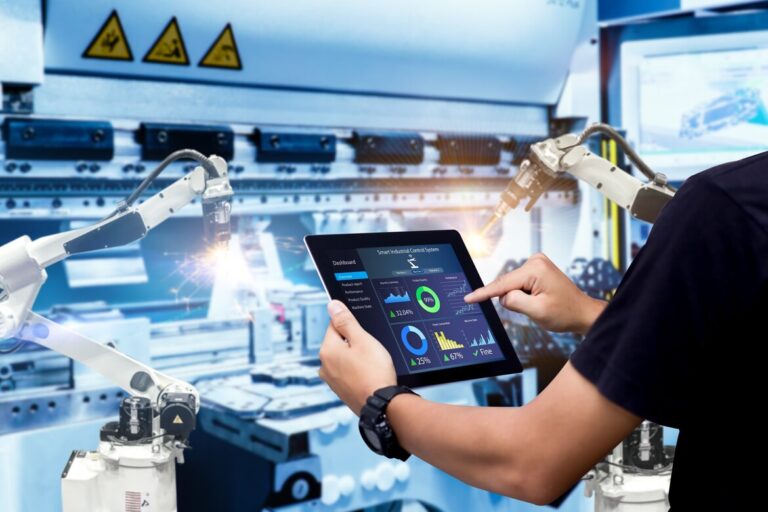
Chinese robotics and automation firm Inovance is preparing a Hong Kong listing that could raise up to $2 billion, highlighting growing investor appetite for industrial and...