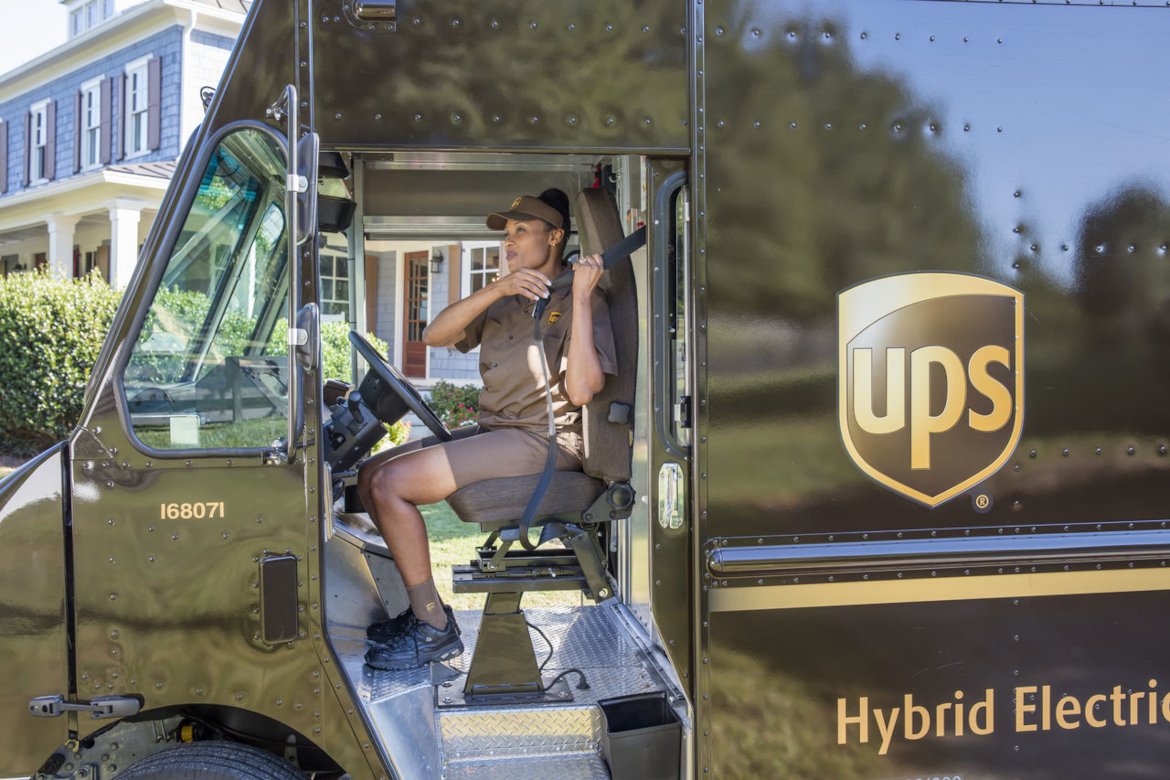
United Parcel Service has taken another major step toward warehouse automation by purchasing hundreds of robots designed to unload packages from delivery trucks. The move reflects growing pressure on large logistics operators to increase throughput while reducing reliance on physically demanding manual labor. UPS says the robots will be deployed across multiple facilities in the United States.
Truck unloading is among the most physically taxing tasks in parcel logistics, requiring workers to handle thousands of packages per shift in confined trailer spaces. By automating this stage of the workflow, UPS aims to improve worker safety while maintaining consistent processing speeds during peak demand periods. The company has increasingly focused on automation as parcel volumes fluctuate and labor availability tightens.
Automating One of Logistics’ Hardest Jobs
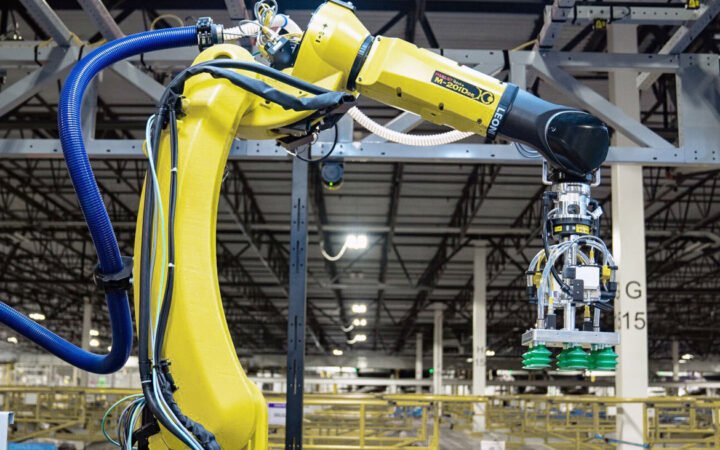
The robots are designed to operate inside standard truck trailers, identifying packages of varying shapes and sizes and transferring them onto conveyor systems. Using machine vision and AI-based grasping systems, the robots can adapt to mixed loads without requiring pre-sorted shipments. This flexibility allows them to function in existing facilities without major structural changes.
UPS says the robotic unloading systems are capable of operating continuously and can handle thousands of packages per hour. While human workers will continue to oversee operations, the robots are intended to take over repetitive lifting and stacking tasks that have historically contributed to injuries and high turnover.
The company has been testing robotic unloading technology for several years through pilot programs. The decision to move forward with a large-scale purchase suggests those trials met internal benchmarks for reliability, safety, and return on investment.
Scaling Automation Across the Network
UPS operates one of the world’s largest logistics networks, processing millions of packages per day. Even small efficiency gains at individual facilities can translate into significant cost savings at scale. Automating truck unloading also helps standardize operations across sites, reducing performance variability tied to staffing levels.
The robots will be integrated into UPS facilities alongside existing automation systems, including conveyor networks, sorting machines, and warehouse management software. This layered approach allows UPS to automate specific bottlenecks without redesigning entire hubs.
While the company did not disclose the total value of the purchase, large-scale robotic deployments of this kind typically involve multi-year investments. Industry analysts view the move as part of a broader shift among parcel carriers toward targeted automation rather than full end-to-end robotic warehouses.
Labor, Safety, and the Future of Parcel Handling
UPS has emphasized that automation is intended to complement its workforce rather than replace it. By reducing the physical strain of unloading tasks, the company aims to reassign workers to roles that require oversight, coordination, and problem-solving.
Warehouse robotics adoption has accelerated across the logistics industry as operators confront rising service expectations, tight delivery timelines, and ongoing labor challenges. Robots capable of unloading trucks address one of the most difficult remaining manual processes in parcel handling.
As UPS continues deploying these systems, their performance in live operations will likely influence similar investments across the sector. The expansion underscores how robotics is moving deeper into everyday logistics tasks, shifting from experimental pilots to large-scale, operational deployments.