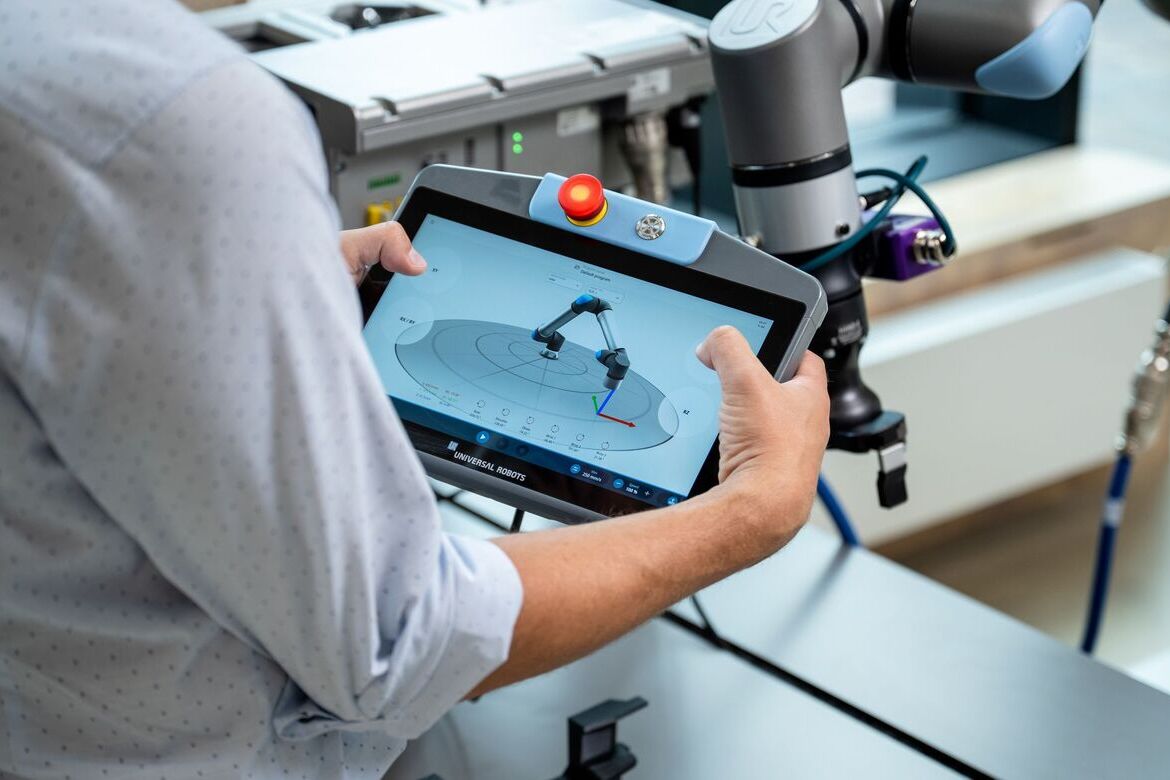
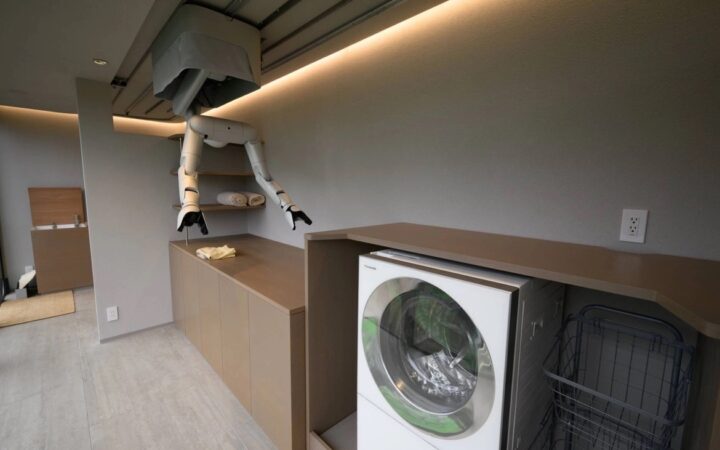
China has launched a nationwide programme to accelerate the deployment of humanoid robots and embodied AI from demonstration settings into factories, warehouses, and hospitals. The initiative, set out in an official document issued by the Ministry of Industry and Information Technology and the State-owned Assets Supervision and Administration Commission, requires local governments and state-owned enterprises to test and deploy humanoid robots in real-world production and service environments within less than six months. Implementation plans must be submitted by the end of June, with progress reports due by the end of November.
The programme targets deployment of more than 10,000 humanoid robot units and the creation of more than 100 high-value applications by the end of 2026. Authorities stated that key humanoid robot products are expected to complete application verification and enter regular deployment, described in the document as “work mode”, by year-end. The covered domains span manufacturing, warehousing, healthcare, and disaster relief, broadening the scope beyond the manufacturing-focused pilots that have characterised earlier rounds of Chinese robotics policy.
According to Shao Hao, senior director of the robotics lab at Chinese smartphone maker Vivo, the policy is intended to shift the industry from a demonstration-driven model toward task-oriented deployment, moving past showcase events such as humanoid dance performances and marathon races. He noted that a six-month window is short but can help the industry converge more quickly on viable technical paths and engineering solutions. The directive effectively compels customer demand from the public sector and SOEs, providing humanoid developers with structured deployment opportunities rather than relying solely on commercial pilots.
The initiative represents one of the most explicit state-led humanoid deployment mandates issued by any major economy and reinforces China’s already dominant position in humanoid robot installations, which Barclays estimated at roughly 85 percent of global deployments last year. By using SOEs and local governments as anchor customers, Beijing is attempting to compress the timeline between hardware availability and operational use. The practical test will be whether the resulting deployments deliver sustained productivity and safety performance in mission-critical settings, or whether the volume targets are met primarily through limited-duration pilots that do not translate into durable commercial demand.
Disclaimer: RobotsBeat is an independent media brand owned and operated by NuvexMedia LLC, publishing news, research, and insights on artificial intelligence, emerging technologies, automation, and related industries. NuvexMedia LLC invests in and collaborates with companies across the AI, Robotics, technology, software, and digital innovation sectors. These relationships do not influence RobotsBeat's editorial coverage, and the publication maintains full editorial independence to provide accurate, timely, and objective information. © 2026 NuvexMedia LLC. All rights reserved. This content is for informational purposes only and should not be considered legal, tax, investment, financial, or other professional advice.