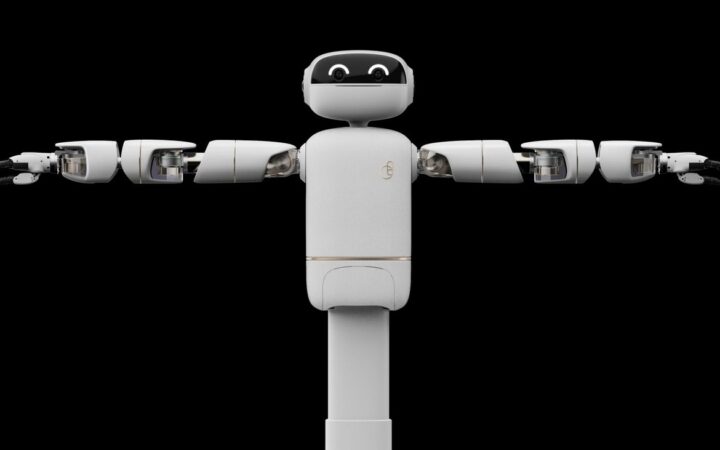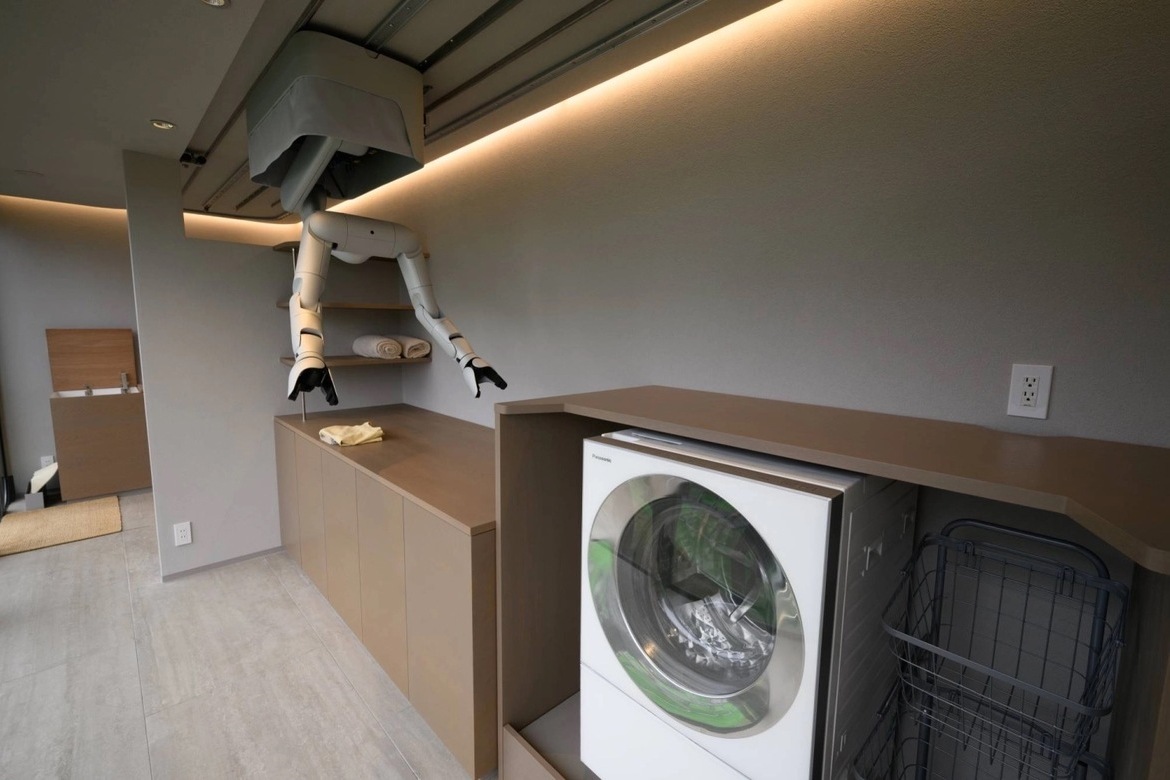
Humanoid robotics is emerging as one of the most closely watched sectors in artificial intelligence, with investors and technology executives positioning embodied AI as a potential trillion-dollar market opportunity. SoftBank CEO Masayoshi Son recently said physical AI and robotics are where he expects the next trillion-dollar company to emerge. A Barclays report places the current humanoid robotics market at $2 to $3 billion and projects it could expand to roughly $200 billion by 2035. The bank describes humanoid robots as “automation 3.0”, framing them as a potential response to labor shortages tied to aging populations, urbanization, and shifting workforce preferences.
Barclays expects the first wave of adoption to run through 2030, concentrated in manufacturing, logistics, agriculture, and construction, where structured tasks such as material handling and assembly support align well with current capabilities. Early deployments are already underway in these sectors. A second wave is anticipated to extend into healthcare, elder care, education, and hospitality, where less structured environments raise the technical bar. The forecasted expansion is contingent on continued improvements in AI models, sensors, computing power, and robotics hardware, areas where progress has accelerated alongside broader advances in generative and agentic AI.
China currently dominates the sector, according to Barclays. The country accounts for roughly half of global industrial robot installations and represented approximately 85 percent of humanoid robot deployments in the past year, with Chinese manufacturers producing units at significantly lower cost than many Western competitors. Western activity is intensifying in response, with OpenAI launching a dedicated robotics division focused on infrastructure-oriented humanoid systems, placing it in more direct competition with Tesla’s Optimus program. Nvidia, Meta, and a growing ecosystem of startups are also expanding their commitments. Figure AI, one of the most prominent U.S. entrants, was recently valued at $39 billion and has signed commercial agreements covering distribution and logistics deployments.
The forecasts are notable for their scale, but they reflect investor and analyst expectations rather than confirmed demand at the projected levels. Realizing the $200 billion outlook will depend on durable improvements in reliability, safety, regulatory clarity, and unit economics, alongside the build-out of supporting hardware supply chains spanning semiconductors, sensors, batteries, and specialized computing infrastructure. Asia, including TSMC, Samsung, MediaTek, and Foxconn, is expected to remain central to that supply base. Whether the gap between current deployment scale and headline forecasts closes will depend on whether humanoid systems move beyond pilots into sustained, profitable commercial operation across the sectors analysts have identified.
Disclaimer: RobotsBeat is an independent media brand owned and operated by NuvexMedia LLC, publishing news, research, and insights on artificial intelligence, emerging technologies, automation, and related industries. NuvexMedia LLC invests in and collaborates with companies across the AI, Robotics, technology, software, and digital innovation sectors. These relationships do not influence RobotsBeat's editorial coverage, and the publication maintains full editorial independence to provide accurate, timely, and objective information. © 2026 NuvexMedia LLC. All rights reserved. This content is for informational purposes only and should not be considered legal, tax, investment, financial, or other professional advice.