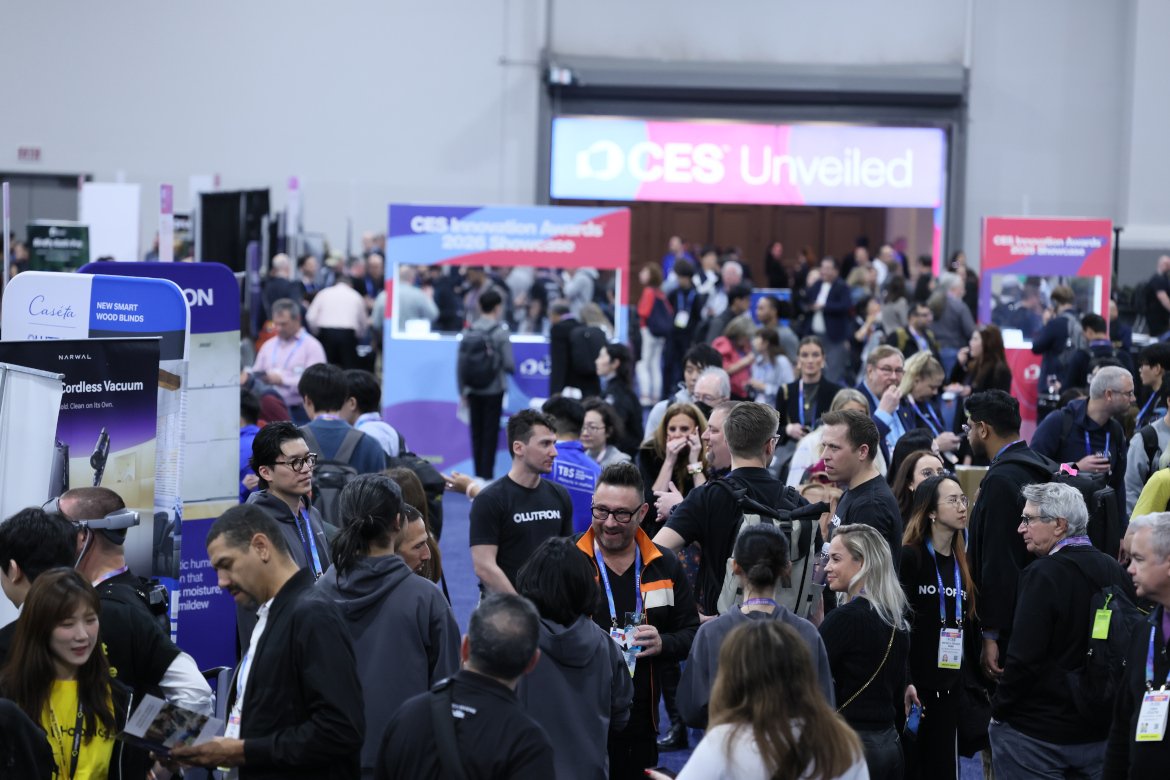

CES 2026 made one thing clear: artificial intelligence is no longer just software. This year’s show was defined by Physical AI, a category where intelligence is embedded directly into machines that move, lift, drive, and operate in the real world. From humanoid robots and autonomous trucks to construction equipment and household helpers, robotics shifted from the fringes of CES to its core narrative.
What distinguished CES 2026 from previous years was not the novelty of robots, but their readiness. Across industries, companies emphasized scale, safety, and integration, signaling that Physical AI is moving beyond pilots and into sustained deployment.
From Vision to Deployment Across Industries
In construction, Doosan Bobcat showcased how AI and autonomy are reshaping worksites. Its RX3 autonomous concept loader illustrated how compact equipment can operate quietly, electrically, and with modular configurations, while AI-driven systems like Jobsite Companion and collision avoidance highlighted how intelligence is being embedded directly into machines operators already use.
Logistics and transportation saw similar momentum. Kodiak AI and Bosch presented a production-grade autonomous trucking platform designed for scale, emphasizing redundant hardware and automotive-grade components. The message was clear: autonomy is no longer confined to test routes but is being engineered for industrial reliability.
At the software and platform level, Mobileye’s acquisition of Mentee Robotics underscored how autonomy stacks developed for vehicles are converging with humanoid robotics. The deal positioned Physical AI as a shared foundation across cars and robots, built on perception, planning, and safety systems that can operate in human environments.
Humanoids Grow Up
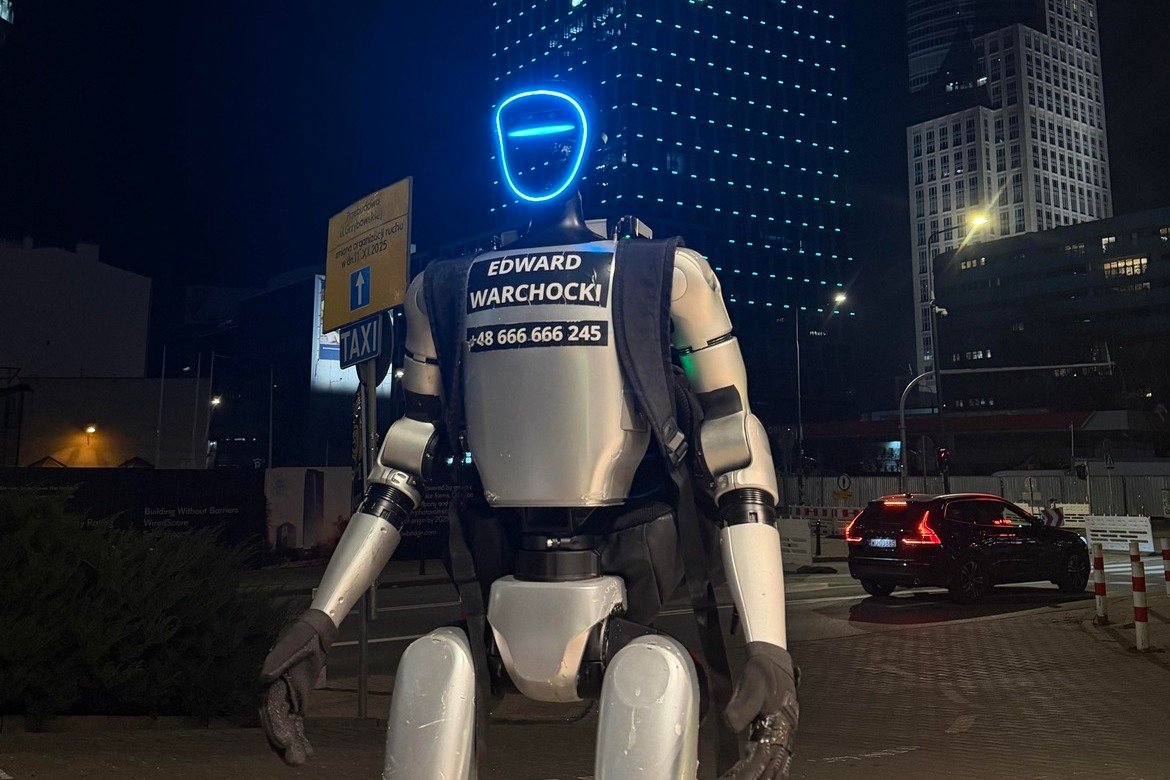
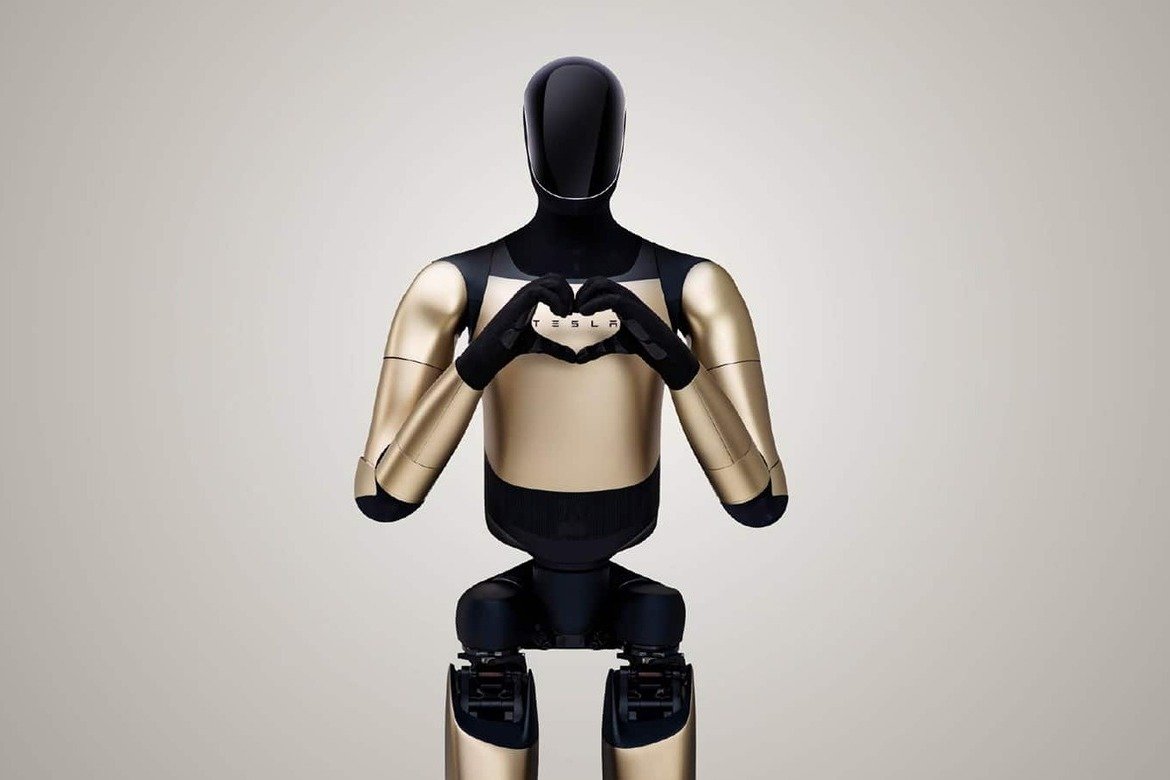
Humanoid robots were among the most visible symbols of CES 2026’s shift toward Physical AI. Boston Dynamics, working again with Google, revealed a product-ready version of Atlas, highlighting industrial-grade specifications, multiple control modes, and AI-driven autonomy. The focus was less on acrobatics and more on repeatable, real-world work.
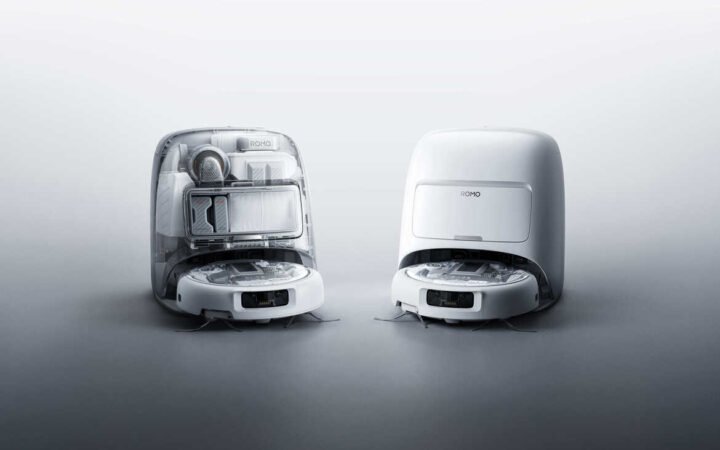
In the home, LG Electronics introduced its CLOiD home robot as part of a broader “Zero Labor Home” vision. Rather than a standalone gadget, CLOiD was positioned as a mobile AI hub capable of coordinating appliances, understanding routines, and performing household tasks through vision-based Physical AI.
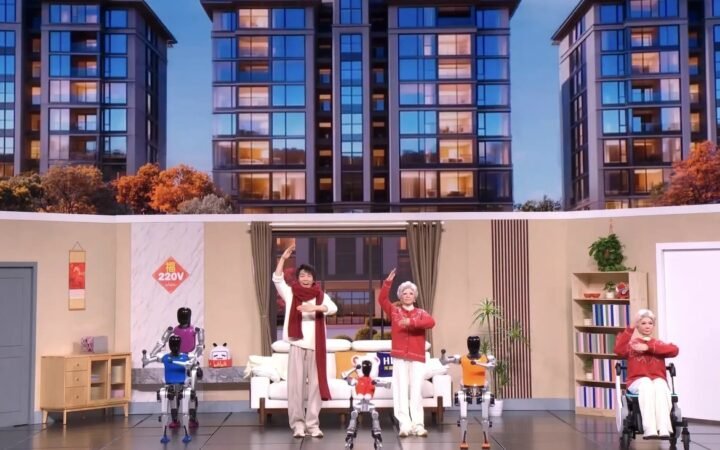
These examples reflected a broader trend: humanoids are no longer pitched as distant futures, but as platforms designed to fit into existing environments, whether warehouses, factories, or homes.
Platforms and Chips Power the Physical AI Stack
Underpinning many of these robots were platform providers positioning themselves as the infrastructure layer for Physical AI. Qualcomm used CES to introduce its Dragonwing robotics platform and IQ10 processor, framing them as the “brain of the robot” for everything from service robots to full-size humanoids. The emphasis on power efficiency, edge AI, and safety-grade performance highlighted how critical compute platforms are becoming as robots scale.
Across the show floor, the same themes repeated: end-to-end stacks, simulation-first development, and software-defined robotics. Companies increasingly described robots as evolving systems, improved through data and deployment rather than fixed-function machines.
A Turning Point for CES and Robotics
CES has long been known for bold prototypes, but CES 2026 felt more grounded. The conversation shifted from what robots might do someday to how they are being deployed today. Partnerships, acquisitions, and production-ready platforms dominated announcements, reflecting a more mature phase of the robotics cycle.
Physical AI now sits at the intersection of several forces: advances in foundation models, cheaper and more capable hardware, and rising demand for automation across labor-constrained industries. CES 2026 captured that convergence in real time.
If earlier CES editions introduced robots as curiosities, CES 2026 presented them as infrastructure. As Physical AI moves from show floors into jobsites, roads, and homes, this year’s event may be remembered as the moment robotics stopped being a sideshow and became one of technology’s main stages.