
LG Electronics has confirmed it is in discussions with Nvidia on potential cooperation across three areas: robotics development, AI data center infrastructure, and future mobility applications. No formal agreement has been announced. The talks follow a visit by Madison Huang, a senior Nvidia executive focused on physical AI platforms, to LG Electronics and other major South Korean companies.
The confirmation positions LG as an active participant in the physical AI ecosystem at a moment when global hardware manufacturers are moving to align with leading AI platform providers across industrial, data infrastructure, and autonomous systems markets.
What Is Being Discussed
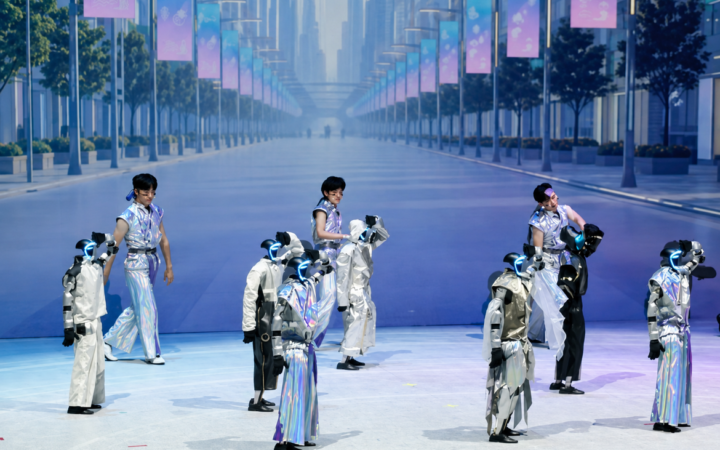
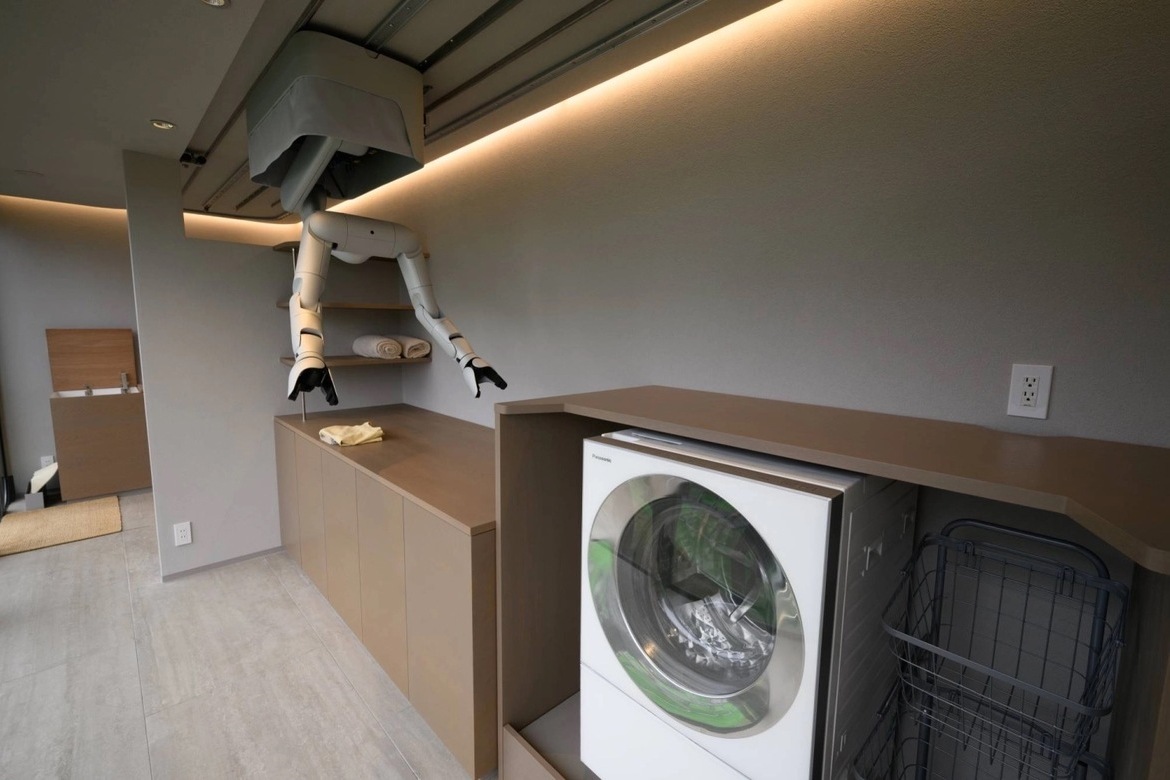
The three areas under discussion reflect distinct but converging priorities. In robotics, LG has been building out a service and commercial robotics business through its subsidiary LG Electronics Business Solutions, with cleaning, delivery, and guide robots already deployed in hotels, hospitals, and commercial buildings. A partnership with Nvidia’s physical AI stack – which includes Isaac simulation, Jetson edge compute modules, and Omniverse digital twin infrastructure – would give LG access to the training and deployment tools that are becoming standard across the humanoid and service robotics sector.
On data centers, Nvidia’s accelerated computing infrastructure is the dominant platform for AI model training and inference at scale. LG’s interest in AI data center cooperation reflects a broader shift among large electronics manufacturers toward providing AI-optimized infrastructure solutions to enterprise customers, rather than competing purely on consumer devices.
The mobility component aligns with LG’s existing investments in vehicle components and smart home-to-vehicle connectivity systems, areas where Nvidia’s DRIVE platform for autonomous vehicle computing has established significant market presence.
Strategic Context
The discussions gained public attention through the reported visit of Madison Huang to South Korean companies, a trip that signals Nvidia’s active effort to deepen physical AI partnerships in a country with significant electronics manufacturing capability and a growing robotics industry. South Korea’s government has identified robotics and AI as national strategic priorities, and companies including Samsung, Hyundai, and LG are all expanding their positions in the sector.
LG and Nvidia have not disclosed a timeline for reaching a formal agreement, the financial terms under discussion, or which specific product or platform areas any agreement would initially cover. The talks remain at an exploratory stage, though the combination of LG’s manufacturing scale and Nvidia’s AI infrastructure position would, if formalized, add a significant hardware partner to Nvidia’s physical AI ecosystem.
Disclaimer: RobotsBeat is an independent media brand owned and operated by NuvexMedia LLC, publishing news, research, and insights on artificial intelligence, emerging technologies, automation, and related industries. NuvexMedia LLC invests in and collaborates with companies across the AI, Robotics, technology, software, and digital innovation sectors. These relationships do not influence RobotsBeat's editorial coverage, and the publication maintains full editorial independence to provide accurate, timely, and objective information. © 2026 NuvexMedia LLC. All rights reserved. This content is for informational purposes only and should not be considered legal, tax, investment, financial, or other professional advice.