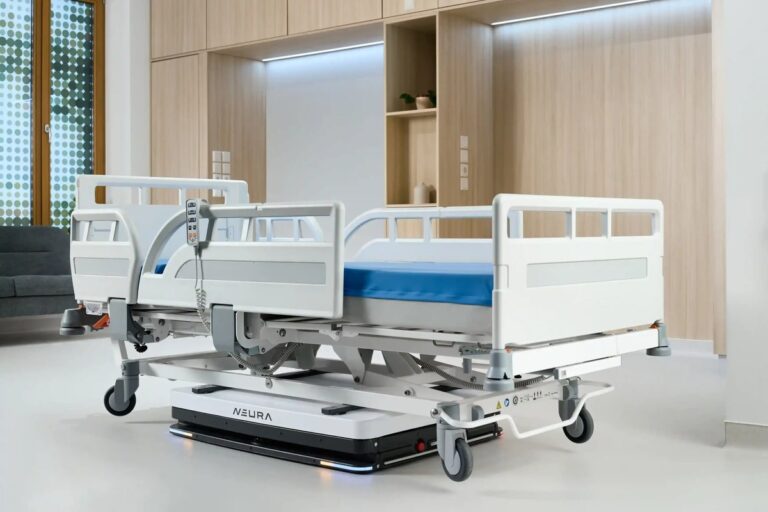
NEURA Robotics Enters Healthcare With Autonomous Hospital Bed Transport
NEURA HealthTech launches with autonomous empty-bed transport, a monthly service model and plans to expand physical AI into hospital logistics and assistance.
Automation refers to the use of machines, software, and control systems to perform tasks with minimal human intervention. In modern industry, automation spans physical processes, digital workflows, and hybrid systems that connect robotics with software intelligence. This topic examines how automation technologies are transforming manufacturing, logistics, supply chains, energy, and services through increased efficiency, consistency, and scalability. Key areas include industrial automation, process control, robotic automation, and the integration of AI-driven decision systems. The topic also addresses workforce impact, system reliability, and the role of standards and regulation in large-scale deployment. As organizations seek resilience and productivity gains, automation continues to evolve from rule-based systems toward adaptive, intelligent operations embedded across the global economy.
NEURA HealthTech launches with autonomous empty-bed transport, a monthly service model and plans to expand physical AI into hospital logistics and assistance.
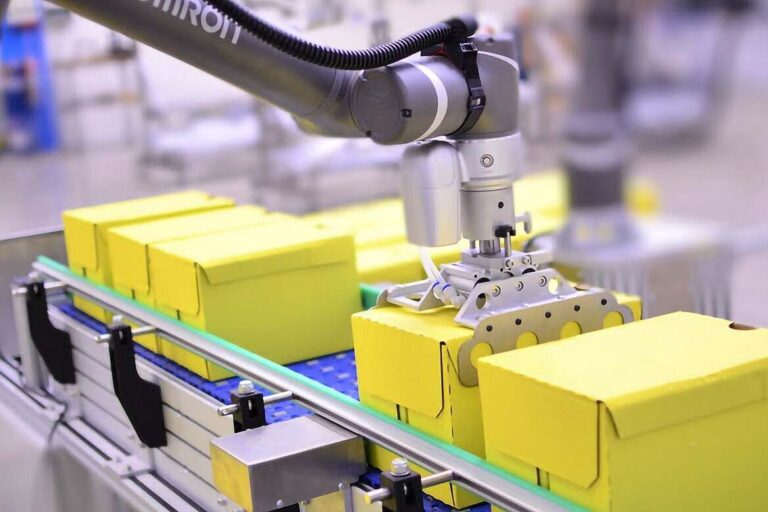
The IFR's annual World Robotics report shows the global industrial robot operational stock rose 9% to 5.08 million units in 2025 with 603,000 new installations, while…
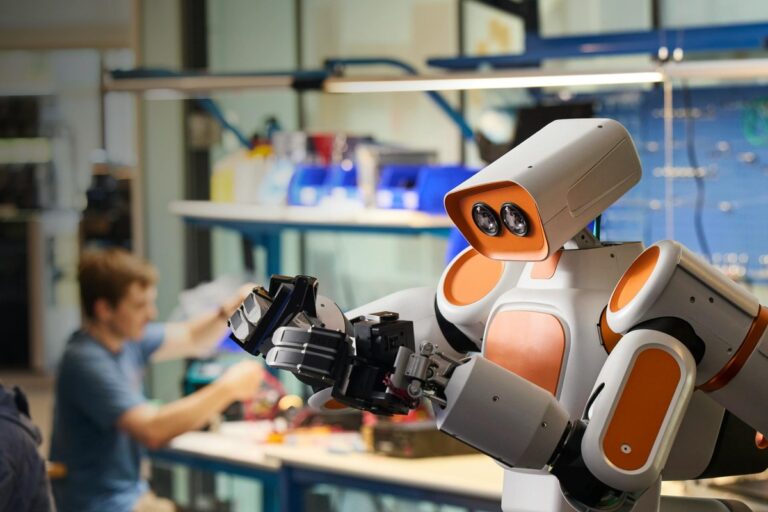
Toyota’s robotics push pairs factory-first deployment with a potential $6.4 billion annual automation program covering both humanoid and conventional machines.
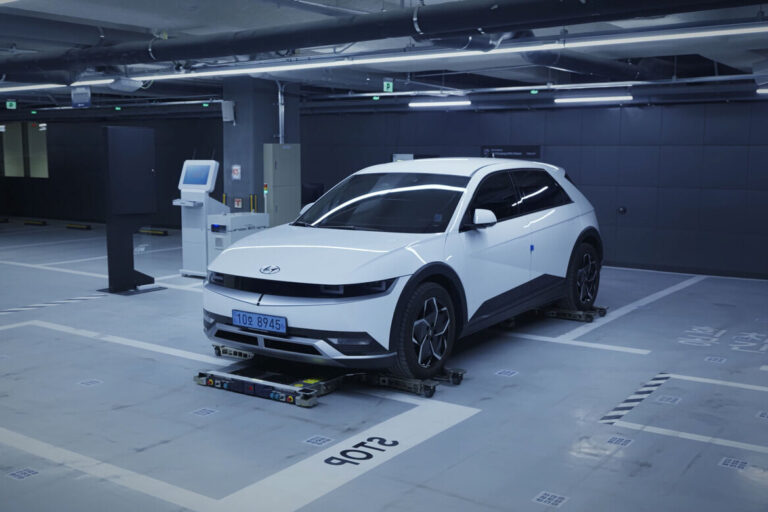
Hyundai Motor Group will pilot wheel-lifting parking robots at a Siheung apartment complex in what it describes as the first such test at a residential complex…
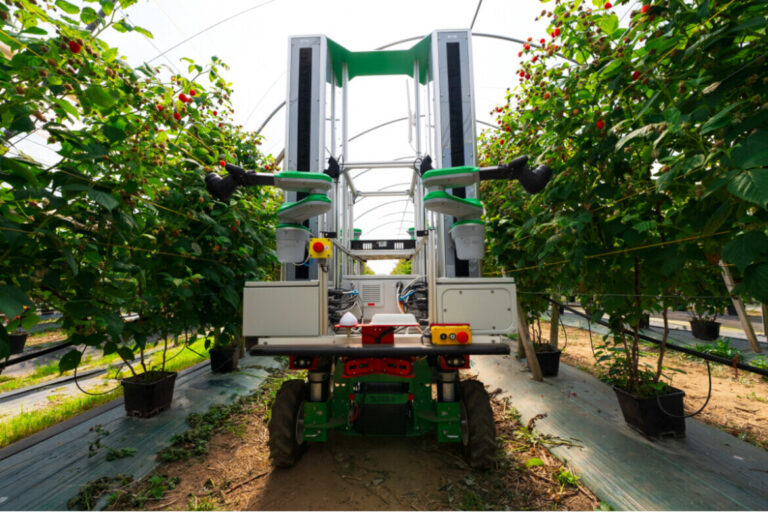
The UK government has opened a £20 million funding round for field robots capable of planting, tending, and harvesting crops, as part of its Farming Innovation…
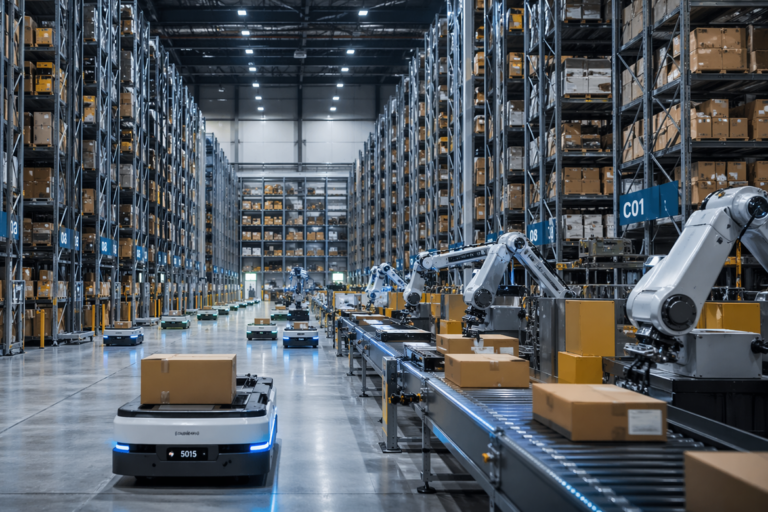
Gartner predicts that 50% of new warehouses built in developed markets by 2030 will be designed as robot-centric facilities where human labor is required only for…

A field robot that maps soil moisture at the level of individual trees could reshape irrigation practices, reducing water use and improving crop health.
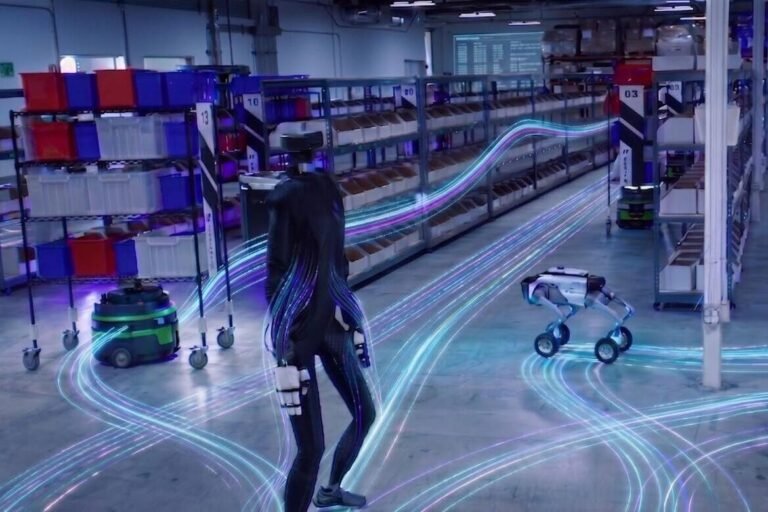
Skild AI has acquired Zebra Technologies’ robotics automation business, aiming to unify fragmented warehouse systems under a single AI-driven control layer.
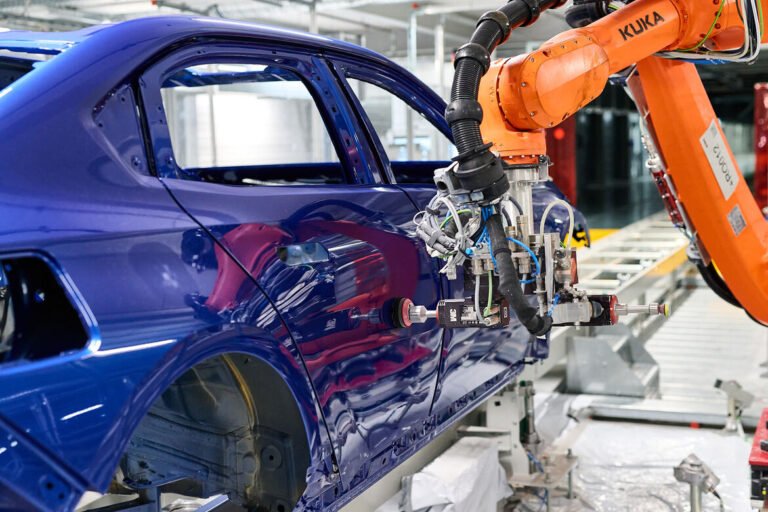
BMW has overhauled its Munich plant with an AI-driven production system and thousands of robots, signaling a shift toward software-defined manufacturing for electric vehicles.
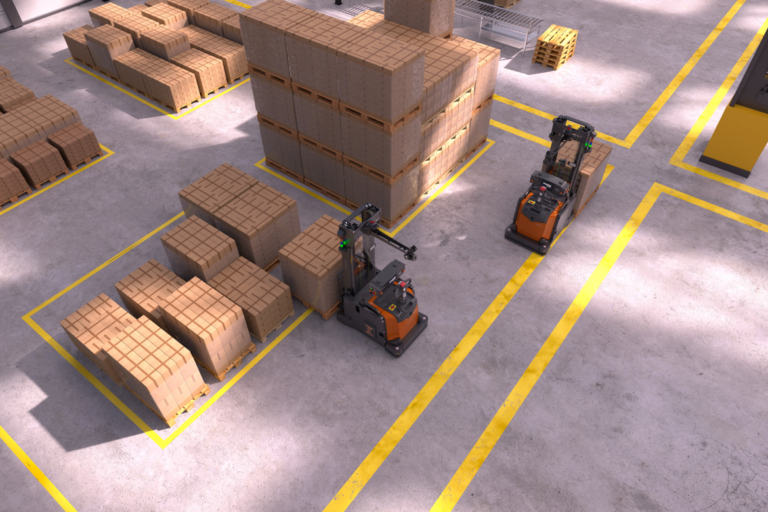
Toyota Material Handling Europe has launched a coordinated AGV system designed to operate across mixed fleets. The platform reflects a shift toward scalable, software-driven warehouse automation.

SAIC-GM has introduced humanoid robots into a Buick battery assembly line, marking an early step toward integrating embodied AI into automotive manufacturing.

Decathlon says robotic warehouse systems from Exotec have significantly boosted productivity across several European facilities, highlighting both the promise and tensions of logistics automation.