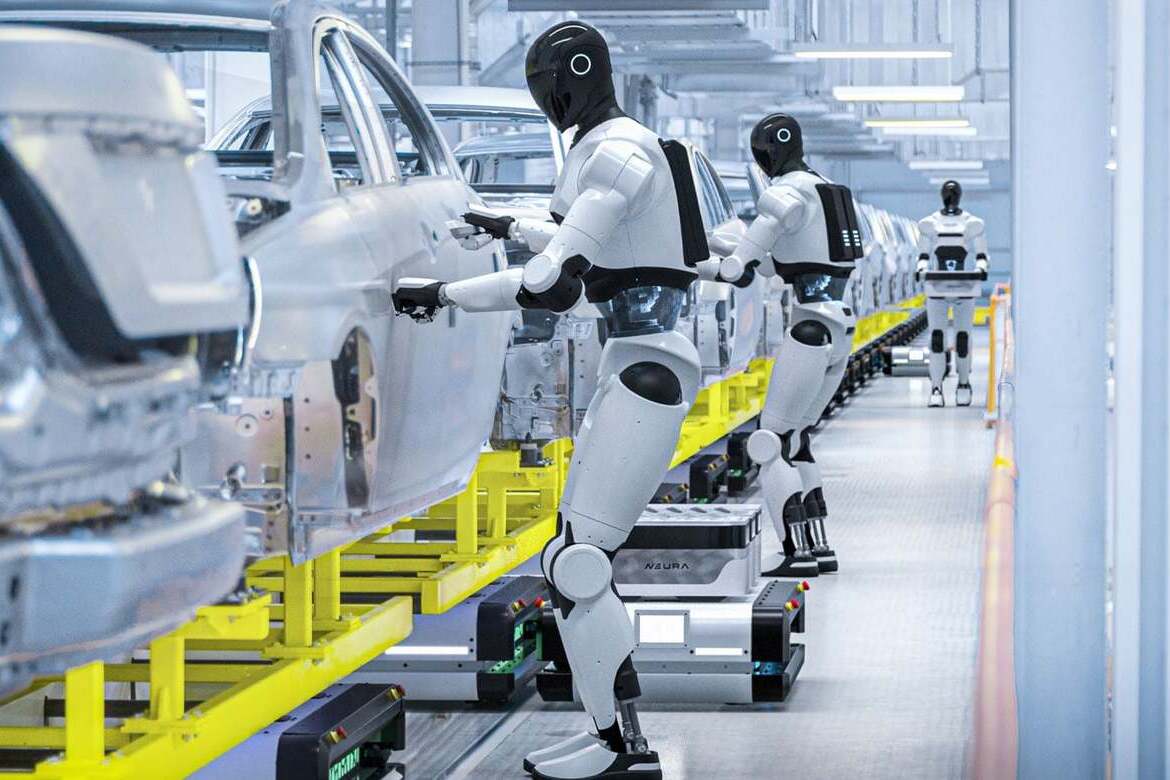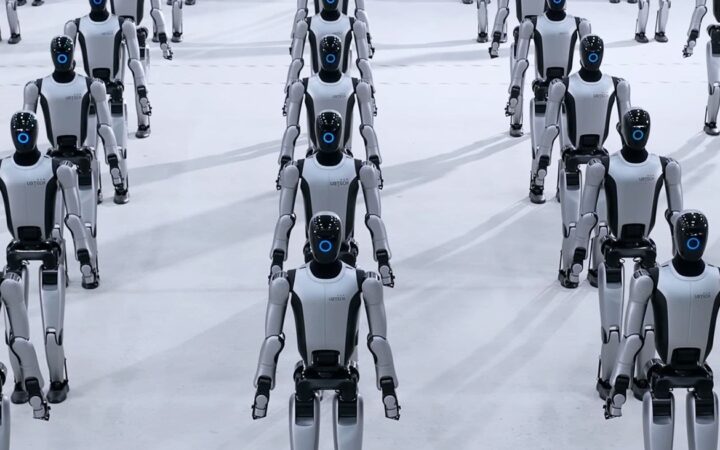
Toyota Group has told investors it could spend approximately ¥1 trillion – roughly $6.4 billion – annually from 2028 automating its global factories, deploying approximately 400,000 robots at both its own plants and those of major suppliers. Of the total, 150,000 robots are planned for Toyota’s own facilities and 250,000 across group company operations. The investment figure covers both humanoid and non-humanoid machines including replacements for existing equipment, and Toyota has neither confirmed it will definitely proceed nor indicated how many years it might continue.
The announcement positions Toyota as one of the most significant potential buyers in the humanoid robot market, alongside Hyundai’s stated plan to deploy 25,000 Atlas robots and Amazon’s expanding warehouse automation commitment.
Eley: Toyota’s Wheeled Humanoid
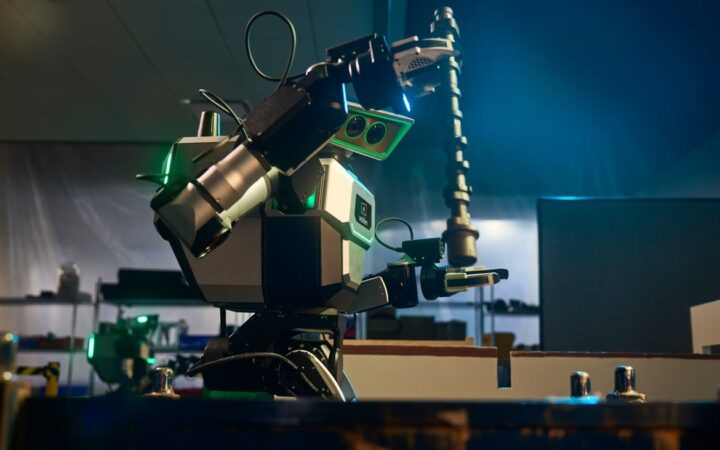
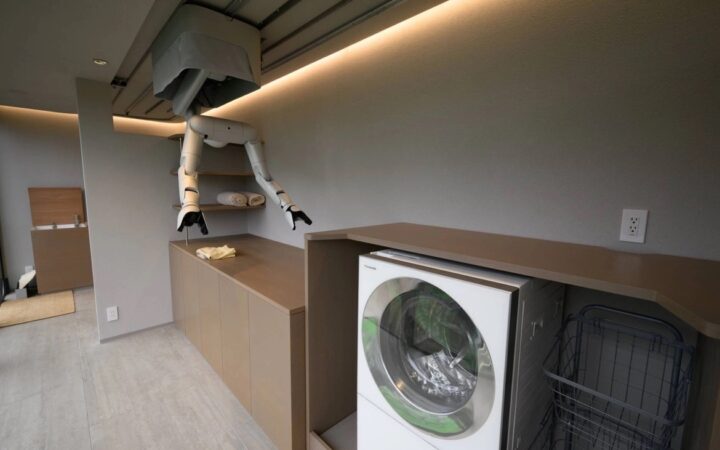
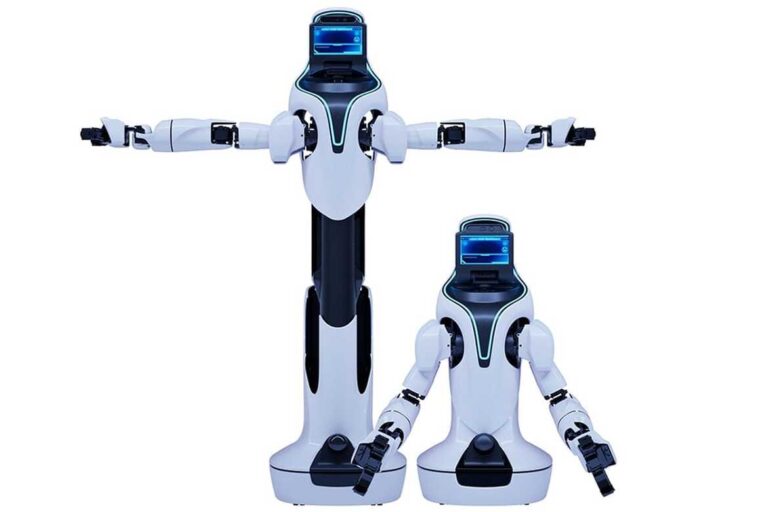
Toyota’s flagship humanoid for factory deployment is Eley, a wheeled robot weighing 50 kilograms that uses two-fingered hands rather than a full humanoid grip and moves on battery or cord-powered wheels rather than walking. The design is an explicit trade-off: Toyota has chosen proven reliability over the bipedal mobility that Tesla Optimus and Figure 03 are pursuing, prioritizing the factory floor capability that matters for near-term deployment over the longer-term optionality of human-like locomotion.
At a technology briefing at Toyota’s European headquarters in early September, Eley demonstrated near-perfect T-shirt folding after 1,500 practice sessions over two weeks. The robot learned the technique from Toyota’s own workers rather than from external datasets or simulation: employees wear finger-shaped jigs modeled on Eley’s hands while repeating routine tasks, allowing the robot to learn directly from human demonstration. Toyota plans to centralize that learned data across its global factory network, so robots in different countries can acquire the same skills without repeating the training process locally.
The Takumi Knowledge Transfer
Toyota operates 60 factories globally and employs 18,000 veteran “takumi” craft workers – highly skilled specialists whose expertise in precision manufacturing techniques represents decades of accumulated institutional knowledge. The robot program is explicitly designed to capture that expertise as training data before the workforce demographics shift. Plans also call for robots to help train new human employees, creating a closed loop where veteran skills propagate through both robot and human training.
“We aim for a world where robots coexist with humans, rather than replacing them,” said Executive Vice President Hiroki Nakajima.
The Large Behavior Model Foundation
Toyota’s approach draws on Large Behavior Models developed through the Toyota Research Institute, using diffusion-based generative AI to teach robots physical skills – pouring liquid, using a tool, folding textiles – from a few minutes of human demonstration rather than manually coded instructions. This is the same LBM methodology underlying Walden Robotics, the Toyota-backed physical AI startup that launched with $300 million and is already operating at a Toyota North American plant.
Toyota has also partnered separately with Agility Robotics to deploy bipedal Digit humanoids for tote handling and logistics at sites including Toyota Motor Manufacturing Canada – giving the company simultaneous exposure to LBM-trained wheeled robots and bipedal platforms.
A Different Bet Than Hyundai and Tesla
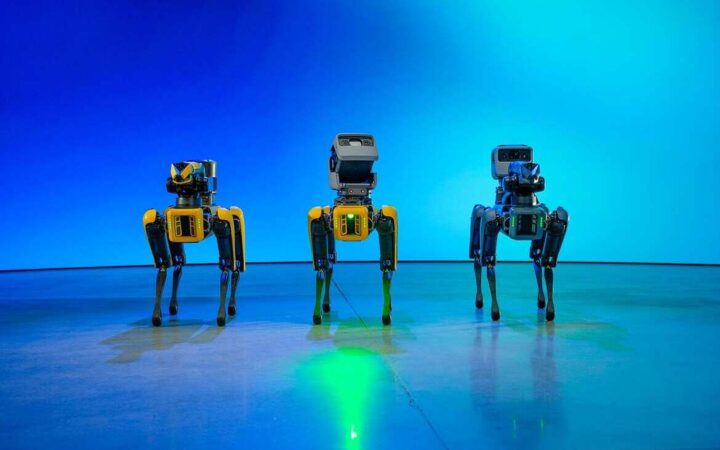
Toyota’s wheeled, multi-form-factor strategy contrasts deliberately with competitors converging on bipedal humanoids. Hyundai’s Boston Dynamics-built Atlas, due at its Georgia plant from 2028, and Tesla Optimus both position bipedal mobility as the eventual factory differentiator. Toyota is betting instead that fast fine-motor skill acquisition from observing its own workforce – on reliable wheeled platforms – matters more for practical near-term deployment than matching human anatomy.
The $6.4 billion annual investment figure, if realized, would represent one of the largest single-company robotics spending commitments ever made, and would absorb a meaningful share of global humanoid production capacity relative to the approximately 7,000 units the IFR counts as having been sold globally in all of 2025.
Disclaimer: RobotsBeat is an independent media brand owned and operated by NuvexMedia LLC, publishing news, research, and insights on artificial intelligence, emerging technologies, automation, and related industries. NuvexMedia LLC invests in and collaborates with companies across the AI, Robotics, technology, software, and digital innovation sectors. These relationships do not influence RobotsBeat's editorial coverage, and the publication maintains full editorial independence to provide accurate, timely, and objective information. © 2026 NuvexMedia LLC. All rights reserved. This content is for informational purposes only and should not be considered legal, tax, investment, financial, or other professional advice.