Key Notes
- Tutor Intelligence announced a $75 million Series B led by Andreessen Horowitz to support its robot research and deployment business.
- The company puts robots into customer operations with remote human tutors, using their assistance to generate training data for increasing autonomy.
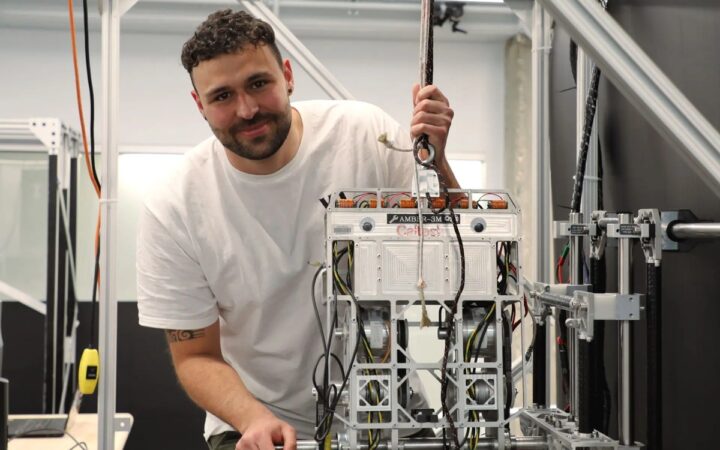
- Its Cassie and Sonny platforms address different handling tasks, combining hardware development with models trained through practical work.
Tutor Intelligence has announced a $75 million Series B led by Andreessen Horowitz, backing a robotics business that connects deployed machines with remote human tutors. The company uses the work performed at customer sites to build training data and progressively improve robot autonomy.
The financing is highlighted on Tutor’s website, while a16z outlined its investment in a November 2 investment note. The investor emphasizes completing defined jobs reliably across customers, with the business combining robot hardware, software and deployment operations.
Human Assistance Feeds Robot Learning
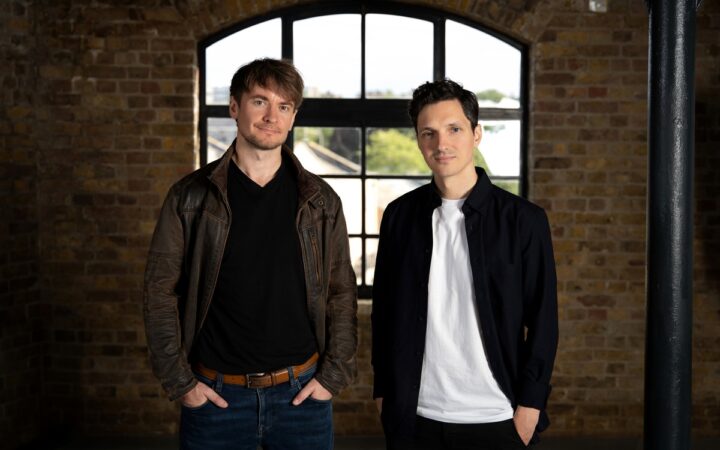
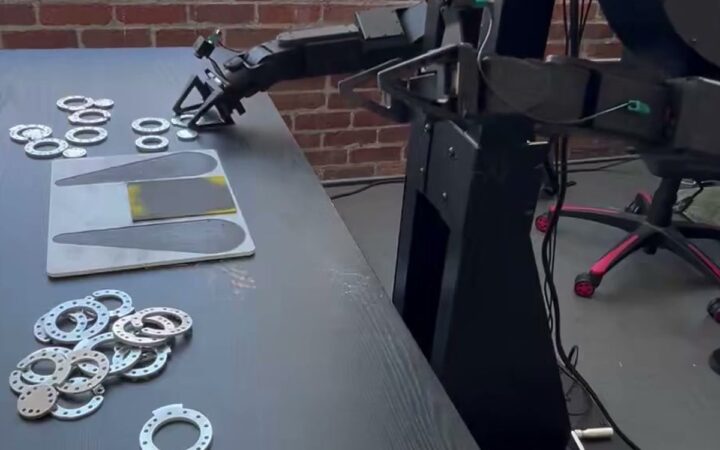
In a recent company essay, co-founder and CEO Josh Gruenstein describes a model in which robots begin useful work with human assistance. Remote tutors provide the intelligence needed for difficult actions while their demonstrations become inputs for training robot foundation models.
The approach makes the deployment itself part of the learning process. A customer needs a handling task completed, while the robotics company needs examples of how that task changes across objects and operating conditions. Tutor aims to connect those needs through a platform it operates across hardware, models and customer applications.
Cassie and Sonny Cover Different Jobs
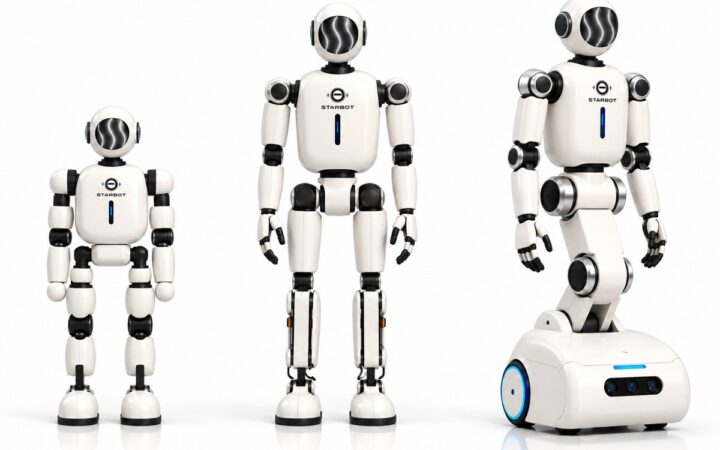
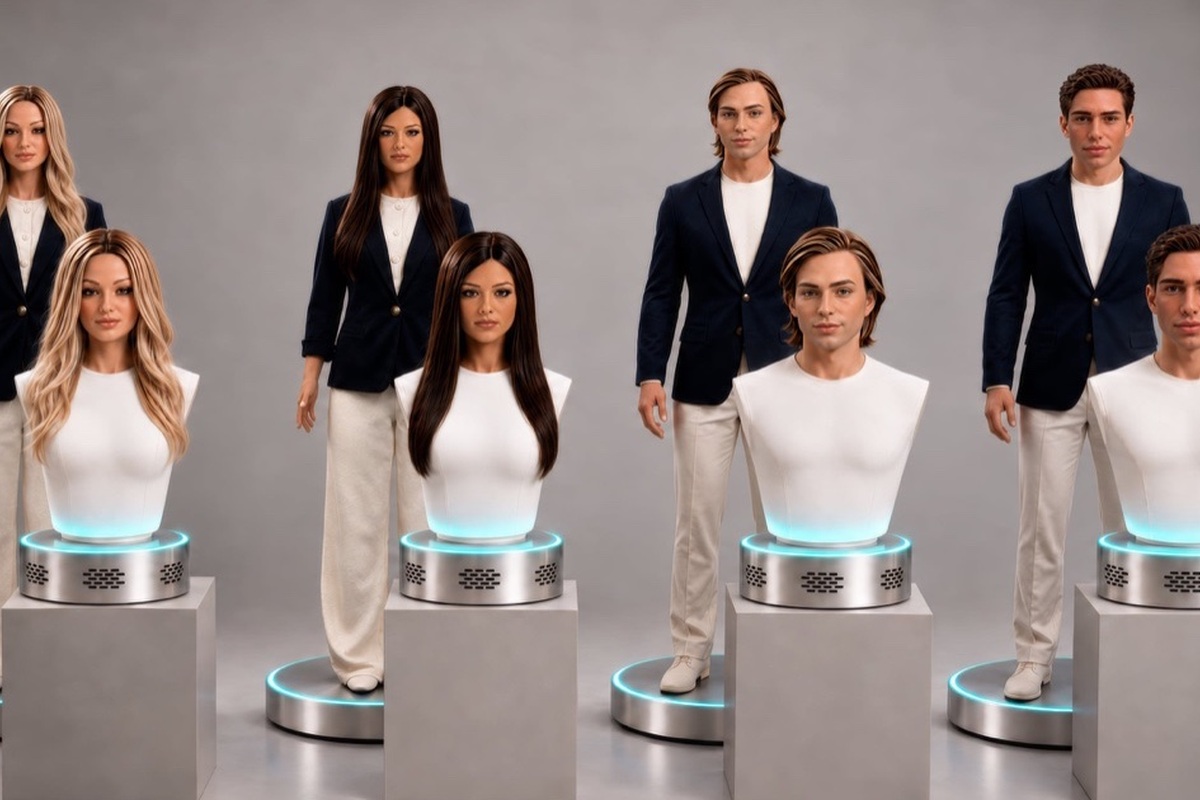
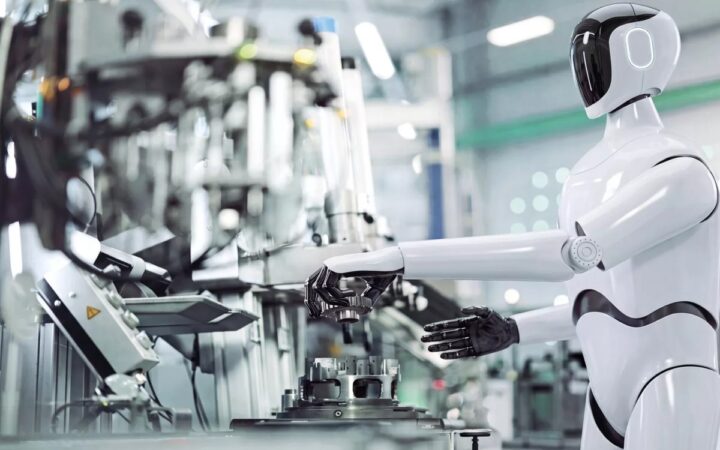
Tutor describes Cassie as a robot for handling bulky materials such as boxes and pallets. Sonny is a semi-humanoid platform intended for a wider range of dexterous tasks. The company says both contribute data to its model-development work, with their designs addressing different parts of the physical economy.
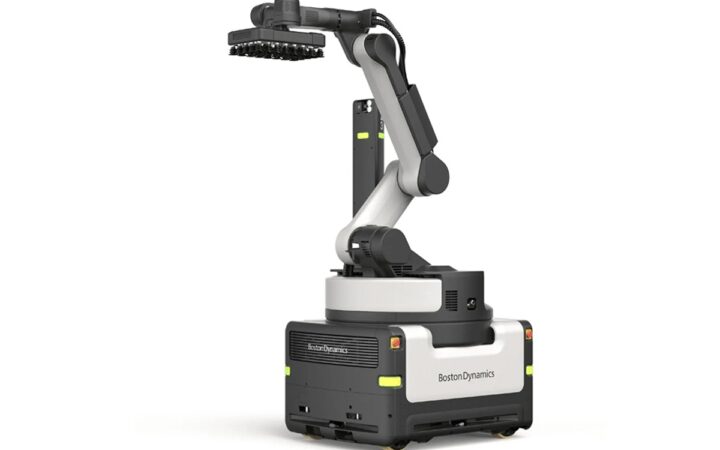
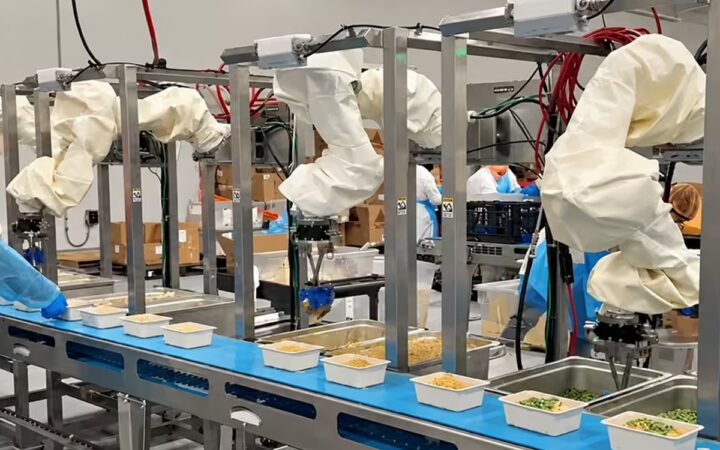
Warehouse buyers are already evaluating a broad range of specialized machines. RobotsBeat’s coverage of Stretch Gen 2 shows how maintenance and uptime enter the same purchasing discussion as manipulation capability. Human assistance adds another operational consideration, including response times and the frequency of interventions.
Training Data Becomes an Operating Asset
The funding also fits growing investment in robot-training infrastructure, including South Korea’s humanoid data factory. Tutor collects demonstrations through customer work as part of its own development strategy. Its progress will be reflected in the tasks the fleet can take on and how efficiently the assistance model scales as deployments grow.
Disclaimer: RobotsBeat is an independent media brand owned and operated by NuvexMedia LLC, publishing news, research, and insights on artificial intelligence, emerging technologies, automation, and related industries. NuvexMedia LLC invests in and collaborates with companies across the AI, Robotics, technology, software, and digital innovation sectors. These relationships do not influence RobotsBeat's editorial coverage, and the publication maintains full editorial independence to provide accurate, timely, and objective information. © 2026 NuvexMedia LLC. All rights reserved. This content is for informational purposes only and should not be considered legal, tax, investment, financial, or other professional advice.