Key Notes
- Maximo counts completed construction tasks rather than distinct panels or commissioned solar installations.
- Its 2.5x productivity figure is supplier-reported and applies to installation output per person per shift hour.
- A pay-per-task service model puts the focus on usable work delivered to construction crews.
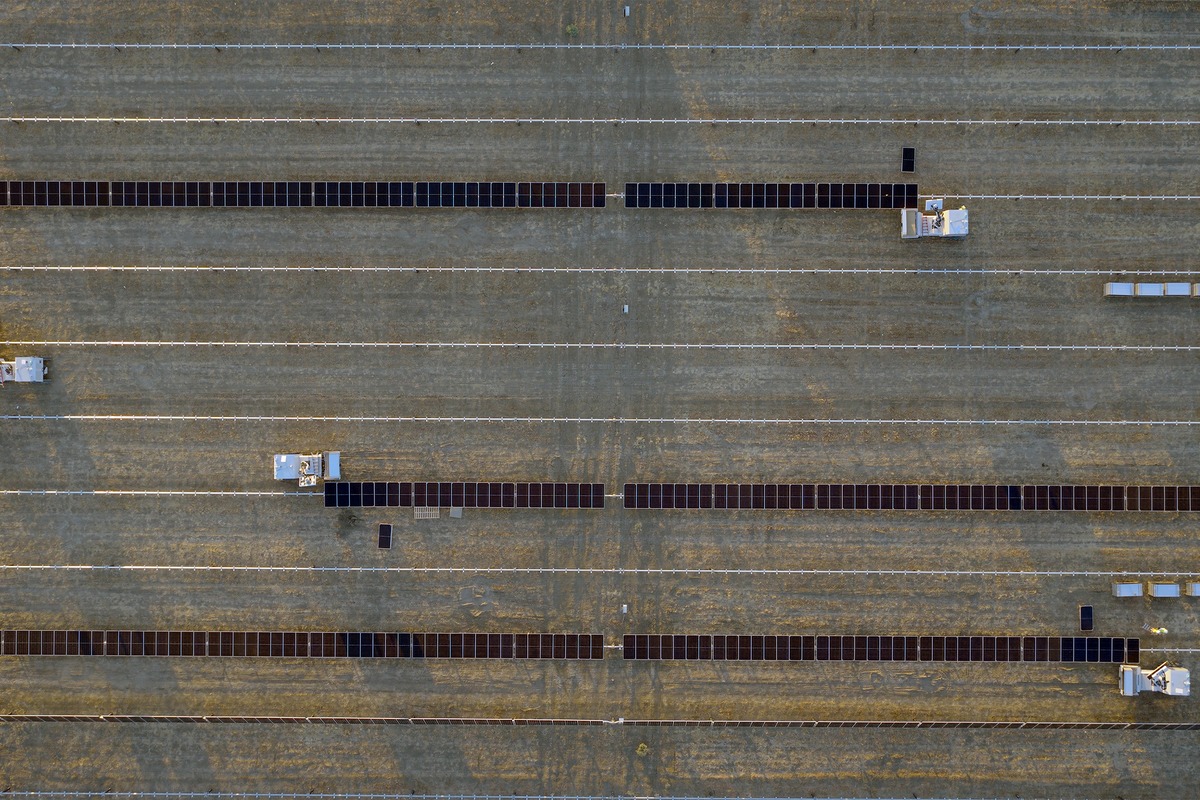
Maximo Robotics says its solar-construction robots have completed more than 300,000 tasks on American projects, moving its AI-powered installation system beyond small demonstrations. The milestone measures completed construction tasks, rather than 300,000 distinct panels or fully commissioned installations.
The company’s October 29 announcement also reports that Max4.0 crews achieved 2.5x the manual installation rate per person per shift hour. That is a company-reported productivity comparison, not an independently verified promise that an entire solar farm will be built 2.5x faster.
Robots Work Alongside Solar Crews
The approach targets a repetitive physical operation inside a much larger construction process. Moving and positioning modules is a different problem from producing a finished power plant: foundations, mounting structures, electrical work and commissioning still have to come together.
AES, which incubated Maximo, has described an earlier setup combining a robot, a skid-steer loader and a human operator. The official AES video above shows that earlier system in action; it should not be treated as footage establishing the specifications of the latest Max4.0 generation.
For a contractor, the practical test is whether automation improves the crew’s overall workflow. A faster module-handling step is useful only if materials arrive on time and the work before and after it can keep pace. Equipment reliability, repositioning and human supervision also matter when a robot leaves a controlled demonstration for a working construction site.
A Service Model for Physical AI
Maximo charges per completed task through a robotics-as-a-service model. It names six engineering, procurement and construction partners and describes work across seven states, including a collaboration with Primoris Renewables.
Paying for an output changes the buying decision. Instead of evaluating a machine’s purchase price alone, a contractor can weigh the service against the cost and predictability of the operation it replaces or assists. The important question becomes how much usable work reaches the next stage of construction.
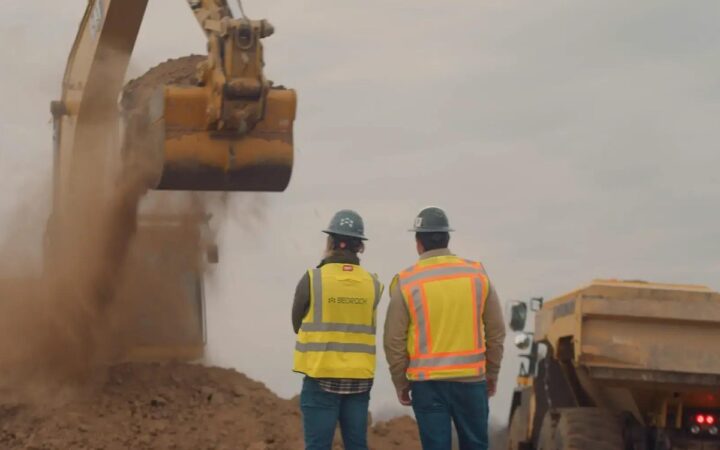
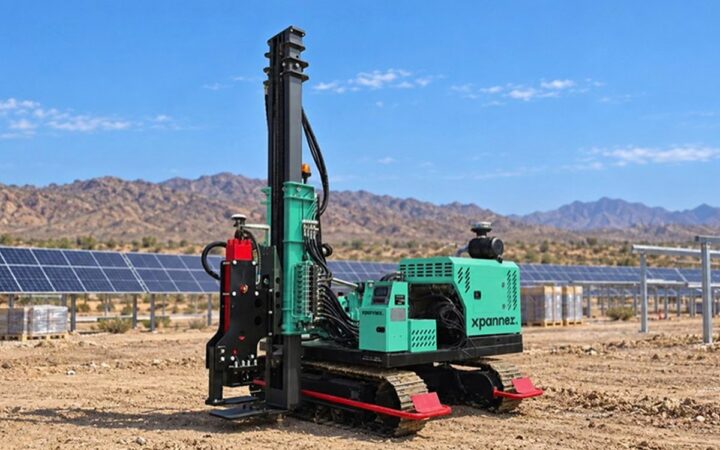
The broader trend extends beyond panel handling. RobotsBeat’s coverage of Xpanner’s pile driver examines automation of another solar-site operation, while Bedrock’s fleet plans show the push toward autonomous heavy equipment.
Deployment Figures Still Need Context
Maximo also points to a late-stage 2027 pipeline exceeding three million tasks, representing 1.5 gigawatts. That is prospective business, not completed work or guaranteed revenue.
The next useful evidence will be repeat deployments, sustained site-level performance and transparent comparisons with conventional crews. For now, the task count is a concrete deployment milestone, while the productivity figure remains a result reported by the supplier.
Disclaimer: RobotsBeat is an independent media brand owned and operated by NuvexMedia LLC, publishing news, research, and insights on artificial intelligence, emerging technologies, automation, and related industries. NuvexMedia LLC invests in and collaborates with companies across the AI, Robotics, technology, software, and digital innovation sectors. These relationships do not influence RobotsBeat's editorial coverage, and the publication maintains full editorial independence to provide accurate, timely, and objective information. © 2026 NuvexMedia LLC. All rights reserved. This content is for informational purposes only and should not be considered legal, tax, investment, financial, or other professional advice.