
Key Notes
- X Square reports 55.1% zero-shot success across 312 unique real-robot tasks for WALL-OSS-1.0, without task-specific demonstrations or fine-tuning.
- XR Harness connects scene understanding, planning, robot actions and execution feedback in a public developer preview for multi-step workflows.
- The release also introduces WALL-API-1.0, while reported evaluation results require matched conditions before comparison with other robot models.
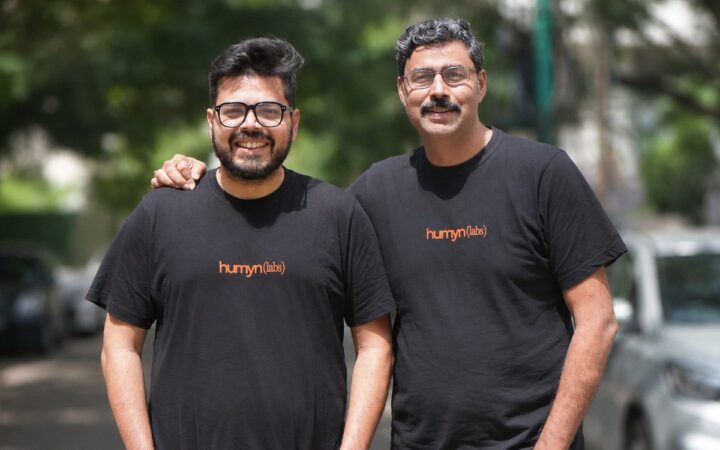
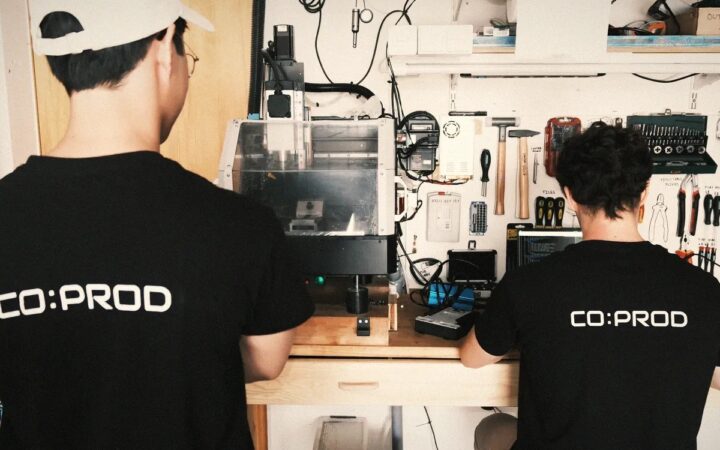
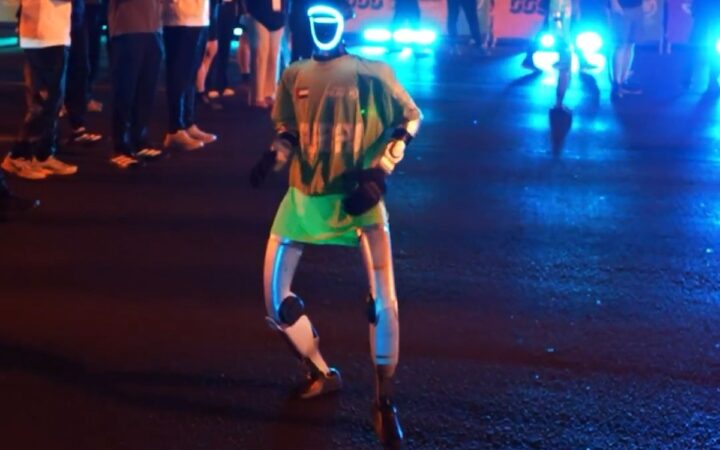
X Square Robot has introduced WALL-OSS-1.0, a vision-language-action model designed to connect visual understanding, instructions and physical robot control. The November 23 announcement includes XR Harness, a planning framework, and WALL-API-1.0 for developer access.
The company reports a 55.1% zero-shot success rate across 312 unique real-robot tasks, without task-specific demonstrations or fine-tuning. The evaluation covers unfamiliar objects, tool use, two-arm coordination and multi-step manipulation. Those are company-reported findings under its test conditions.
Native Pretraining Connects Understanding With Action
X Square’s technical report describes training vision, language and robot actions together, starting from a Qwen3.5 base. Its objective is to make physical experience part of the model’s foundation, helping it connect what an instruction means with the movements needed to carry it out.
The report explains how robot trajectories are represented as action tokens, allowing experience from different robot configurations to enter a shared training process. Later action-generation components translate the model’s understanding into continuous movements. A compatible controller and an appropriate mapping to the robot’s hardware remain part of deployment.
The open-ended evaluation began with 377 evaluations. X Square says it averaged results for repeated instructions, producing the 312 unique tasks used in its reported score. The sample is therefore not a count of 312 separate commercial jobs completed autonomously, and the percentage should not be compared directly with another model’s result on a different test.
XR Harness Carries a Goal Across Multiple Steps
The public XR Harness repository describes a developer preview connecting high-level reasoning with action execution and feedback. An agent can inspect a scene, plan steps toward a goal, call robot capabilities and adjust subsequent actions based on what happened.
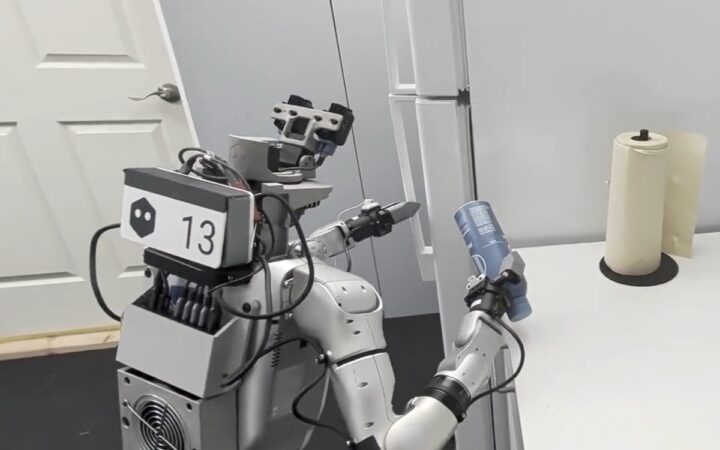
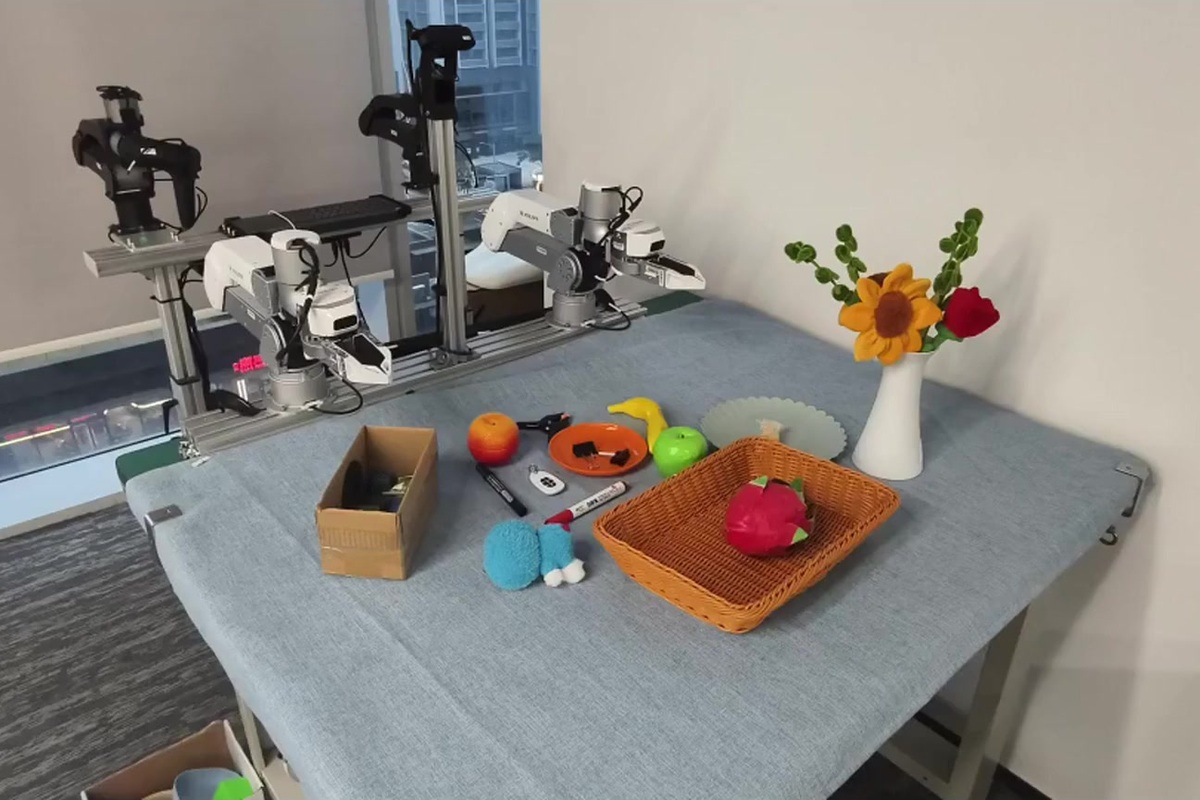
In one published demonstration, the system turns a table-cleaning request into collecting fruit, organizing smaller objects and stacking plates. Another example changes an attempted placement route after the original approach proves unworkable. These examples illustrate the role of planning and recovery around a manipulation model.
That division matters for long tasks. A model may perform an individual grasp successfully while the overall job still fails because the next object is obscured, an earlier action moved something unexpectedly, or the system misjudges completion. Feedback helps the planner decide whether to continue, retry or change its approach.
Developer Access and Real-World Validation
The launch introduces WALL-API-1.0 alongside the model family, while the harness is explicitly labeled a developer preview. The public repository documents robot and simulator integration, including the need for compatible action-model services and completion checks. Access to these components should be assessed individually when planning a project.
X Square has previously explored physical service work, including the home-cleaning initiative examined in our earlier coverage. That project provides commercial context for its manipulation research; the new model’s evaluation does not establish the outcome of an entire home-cleaning service.
Our CoRL overview and GR00T 2 report examine related efforts to transfer robot skills and handle longer workflows. For all of these systems, the useful comparison is a matched task with disclosed conditions, intervention rates and recovery behavior. X Square’s release supplies a new model and integration framework for developers to test against those requirements.
Disclaimer: RobotsBeat is an independent media brand owned and operated by NuvexMedia LLC, publishing news, research, and insights on artificial intelligence, emerging technologies, automation, and related industries. NuvexMedia LLC invests in and collaborates with companies across the AI, Robotics, technology, software, and digital innovation sectors. These relationships do not influence RobotsBeat's editorial coverage, and the publication maintains full editorial independence to provide accurate, timely, and objective information. © 2026 NuvexMedia LLC. All rights reserved. This content is for informational purposes only and should not be considered legal, tax, investment, financial, or other professional advice.