Key Notes
- NVIDIA reinstated Jensen Huang as president, CEO and a director following a unanimous board vote, with Colette Kress continuing as finance chief.
- Directors said government input supported their assessment that his return poses no national security risk, while the independent investigation continues.
- Huang returns as NVIDIA advances GR00T 2, Isaac Lab and onboard computing for robots, with research progress and commercial deployment still requiring separate evaluation.
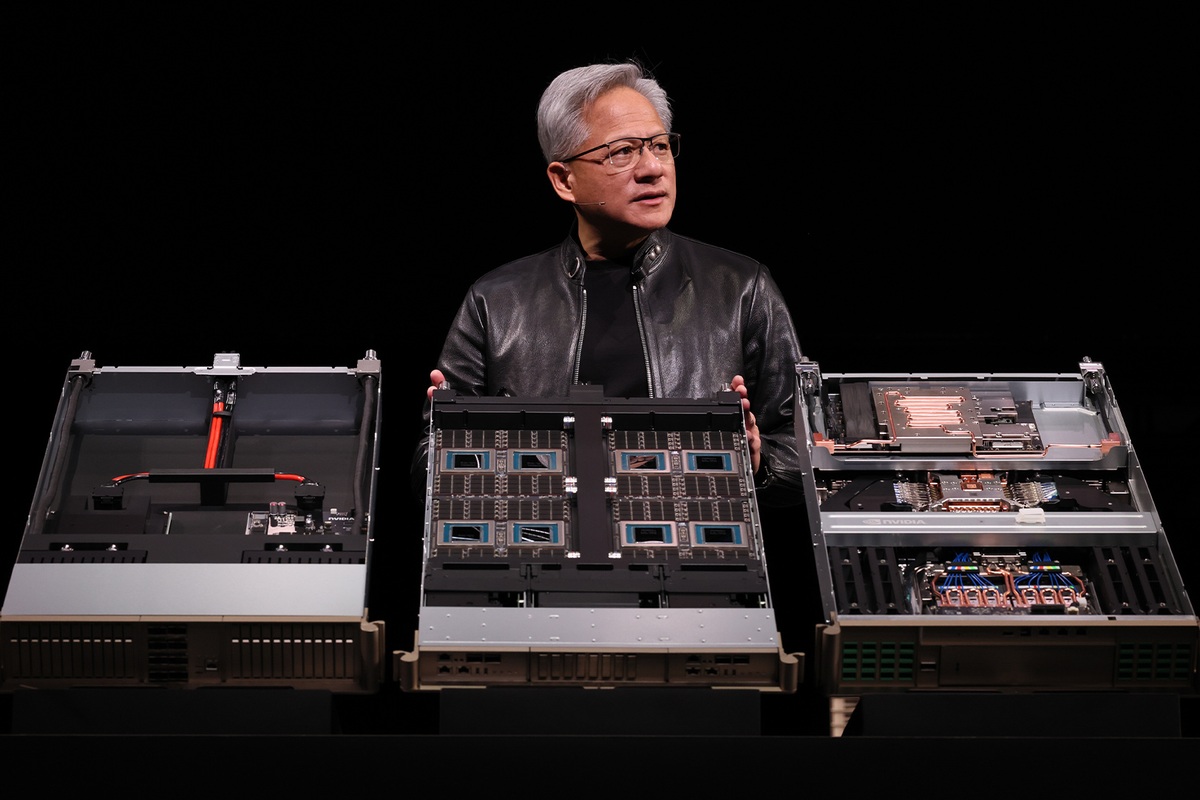
NVIDIA has reinstated Jensen Huang as president, chief executive and a board member following a unanimous vote by directors, the company announced on November 23. His return restores the co-founder to the helm of a business whose physical AI strategy spans robot-learning models, simulation and onboard computing.
The company’s SEC filing dates the board’s decision to November 22 and says it took effect immediately. Colette Kress, who served as interim CEO following Huang’s departure, continues as executive vice president and chief financial officer. Harvey Jones remains board chair.
“I can’t wait to get back to work,” Huang said in the announcement. His reinstatement follows the leadership transition covered in our earlier report and comes during a busy period for NVIDIA’s robotics research and industrial partnerships.
The Board’s Security Assessment and Continuing Review
Directors said input from senior levels of the US government gave them confidence that Huang’s reinstatement poses no national security risk. That is the board’s stated assessment of his return. NVIDIA also said its independent committee’s investigation into reports of a foreign intelligence effort targeting Huang will continue.
The company said Huang supports that investigation and will cooperate with it. NVIDIA will also continue cooperating with government investigations and inquiries, so the leadership decision leaves those processes ongoing.
Separately, the board’s oversight committee, established on November 17, is responsible for national security policy, export controls and global trade compliance. Its chair is Suzanne Nora Johnson, and its members include Stephen Neal and John Dabiri. NVIDIA’s latest announcement also introduces a search for a chief compliance officer.
The market response has been covered by MarketSpeaker in reports on NVIDIA’s stock rebound and the wider Wall Street rally. For robotics companies, the operational questions concern the platforms and support they use to develop physical machines.
Physical AI Links Robot Models, Simulation and Computing
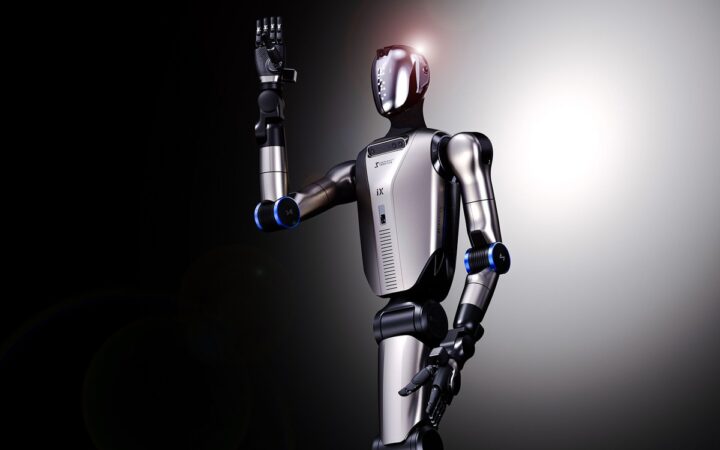
NVIDIA’s recent CoRL announcements show how broadly that work now extends. GR00T 2 is a world-action model designed to connect predicted visual outcomes with robot actions. Isaac Lab 3.0 supplies training environments and tools for refining robot skills in simulation, including integration with the Newton physics engine.
These layers address different parts of a deployment. Models translate observations and instructions into actions; simulation lets researchers practice tasks and investigate failures; onboard processors run the resulting systems on physical hardware. Our CoRL overview examines the connections between those stages.
That makes NVIDIA’s leadership relevant beyond GPU purchasing. A robot developer may depend on its training software, model interfaces, simulation environments and embedded computing across the same project. Continuity in documentation, releases and partner support matters throughout that development cycle.
GR00T 2 Research Sets the Next Technical Milestones
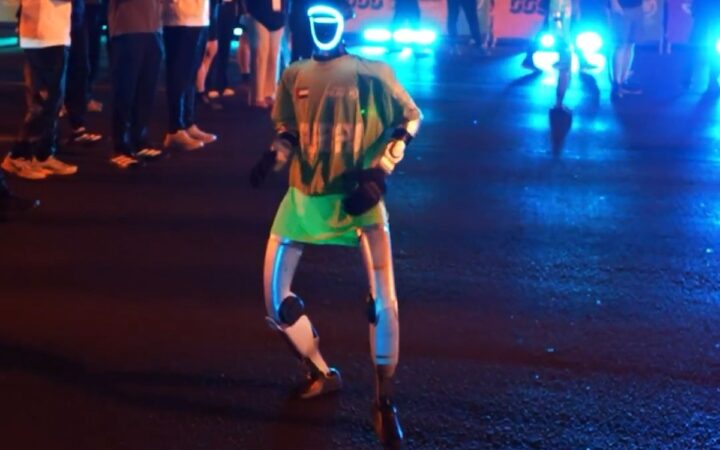
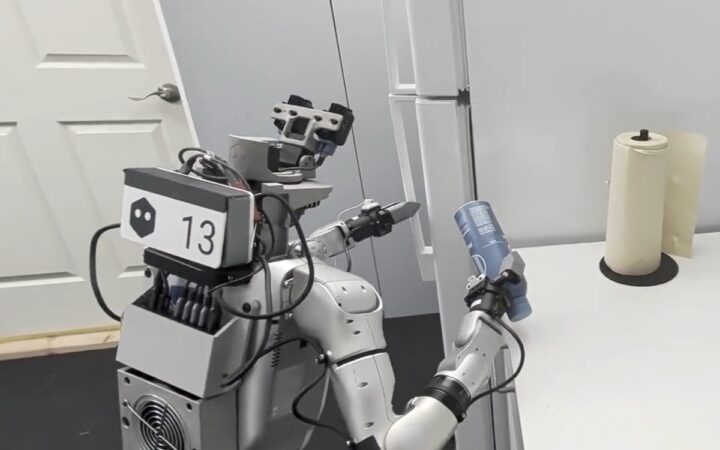
The company’s GR00T 2 research explores transferring skills from human demonstrations and other robot bodies. Its published work includes manipulation with grippers and dexterous hands, plus a smaller Turbo model for whole-body control on a Unitree G1 using Jetson Thor.
Our coverage of the latest demonstrations distinguishes transferring a learned skill through a model from automatically making it work on every robot. Different cameras, hands, reach and motor controls still affect adaptation, and the reported results come from particular research tasks and test conditions.
Huang’s return does not itself establish a new robot capability or a change to a product-release schedule. The next meaningful evidence for robot builders will come from usable releases, repeatable performance and supported deployments. The governance announcement resolves who leads NVIDIA while the engineering work and independent review continue.
Disclaimer: RobotsBeat is an independent media brand owned and operated by NuvexMedia LLC, publishing news, research, and insights on artificial intelligence, emerging technologies, automation, and related industries. NuvexMedia LLC invests in and collaborates with companies across the AI, Robotics, technology, software, and digital innovation sectors. These relationships do not influence RobotsBeat's editorial coverage, and the publication maintains full editorial independence to provide accurate, timely, and objective information. © 2026 NuvexMedia LLC. All rights reserved. This content is for informational purposes only and should not be considered legal, tax, investment, financial, or other professional advice.