Key Notes
- Bonsai World generates simulated environments from satellite imagery for field-robot training and evaluation.
- Real fleet data supports model development, while production hardware checks remain part of verification.
- Deployment-time savings are company claims without a published measured comparison.
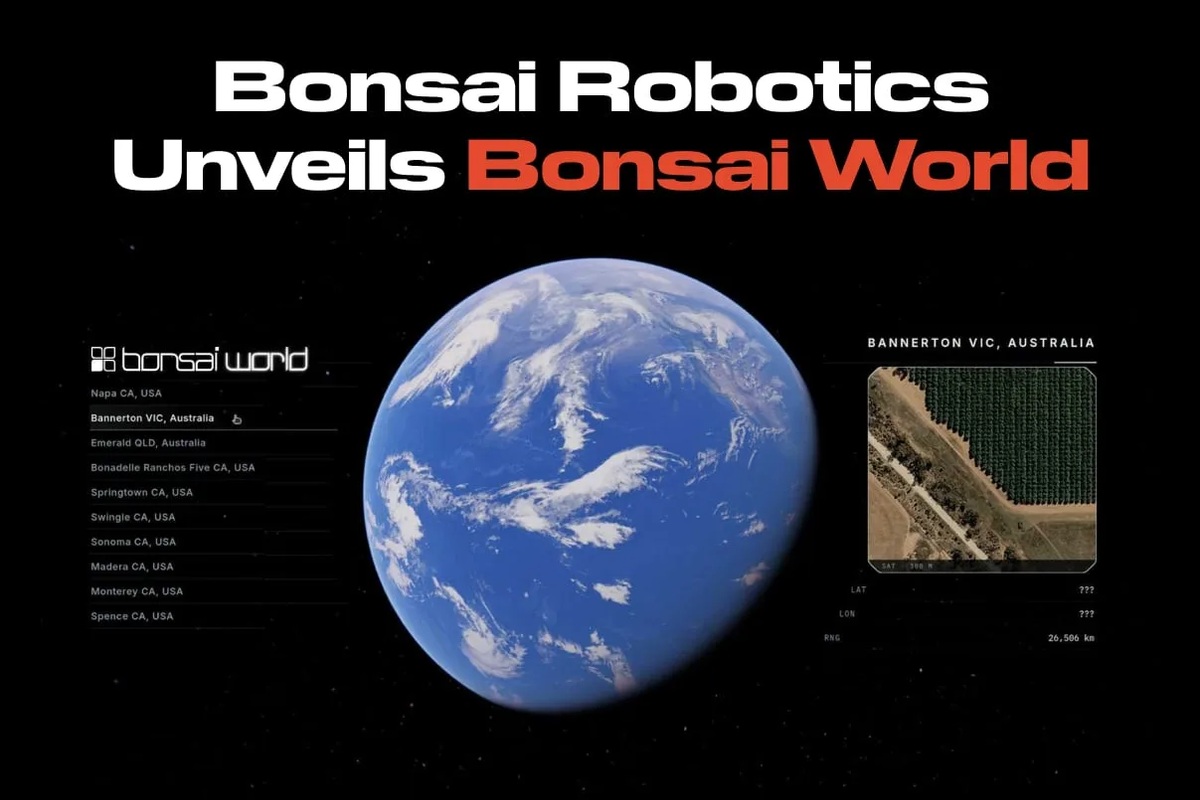
Bonsai Robotics has introduced Bonsai World, a simulation system designed to prepare autonomous field machines for unfamiliar environments before they arrive on site.
The company announced the application on October 2 as part of its Bonsai Intelligence platform.
From Satellite Images to Simulated Fieldwork
Bonsai World converts satellite imagery into structured 3D environments. It can generate ground-level views and add dust, debris, animals, vehicles and terrain changes, giving developers scenarios for training and evaluation.
Google’s Gemini vision-language model helps interpret the imagery. Google Cloud and NVIDIA computing support training and generation, while NVIDIA identifies Cosmos as part of the system.
Real Fleet Data Feeds the Models
Bonsai’s platform combines foundation models, generated environments and smaller models optimized for onboard hardware. The company reports more than 50 million real-world samples collected across over one million acres, alongside more than 400 deployed machines.
Its equipment spans Amiga vehicles and retrofitted machinery used for work such as mowing, spraying, weeding and hauling. That operating experience provides data about conditions a simulated scene needs to represent.
The aim is a continuing loop: machines collect observations, cloud tools support model development, and updated models return to the fleet. Synthetic data extends that process to situations the equipment has not encountered.
Simulation Still Needs Hardware Checks
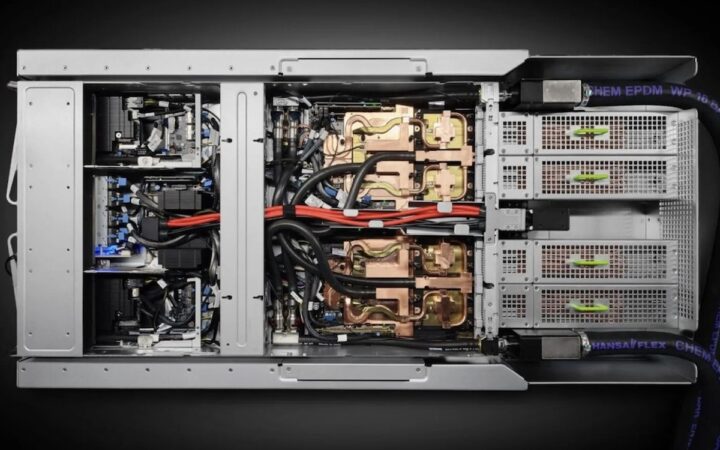
Bonsai’s earlier engineering overview describes verification through software tests, recorded-log replay, simulation and hardware-in-the-loop testing. The latter runs production software on the actual onboard computer with realistic sensor interfaces and timing loads.
Those checks can expose overloaded processors, timing drift, thermal limits and integration faults that software-only tests miss. Real field incidents also become regression tests after engineers fix them.
A shared autonomy stack does not remove the work of integrating each vehicle. Steering, geometry, actuators and implements still differ between machines, and those differences must be represented in the control system.
Field data collection brings another constraint: rural connections cannot upload every sensor stream. Bonsai describes preserving relevant observations onboard, with synchronized camera, motion and machine-state records, so engineers can reconstruct what happened when autonomy encounters a problem.
A New Application of Physical AI Simulation
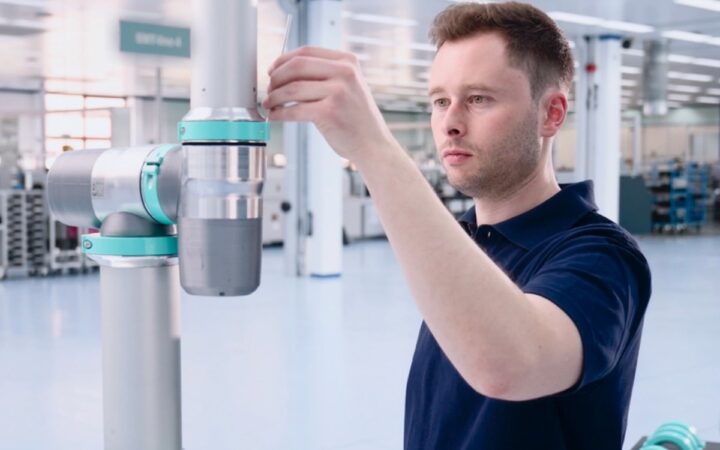
The approach shares a broader goal with ABB’s simulation tools: test robot behavior before deployment. Bonsai focuses on changing outdoor environments, while ABB’s work concerns industrial settings.
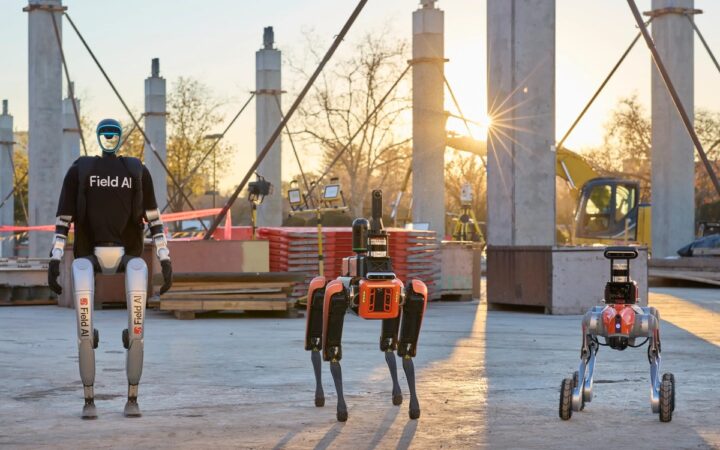
It also sits alongside efforts such as FieldAI’s autonomy platform, which targets robot operation across different machines and environments.
Bonsai says the new system should reduce field tuning and repeated tests, but its announcement provides no measured deployment-time comparison. The practical test will be how reliably simulated preparation translates into performance on working farms.
Disclaimer: RobotsBeat is an independent media brand owned and operated by NuvexMedia LLC, publishing news, research, and insights on artificial intelligence, emerging technologies, automation, and related industries. NuvexMedia LLC invests in and collaborates with companies across the AI, Robotics, technology, software, and digital innovation sectors. These relationships do not influence RobotsBeat's editorial coverage, and the publication maintains full editorial independence to provide accurate, timely, and objective information. © 2026 NuvexMedia LLC. All rights reserved. This content is for informational purposes only and should not be considered legal, tax, investment, financial, or other professional advice.