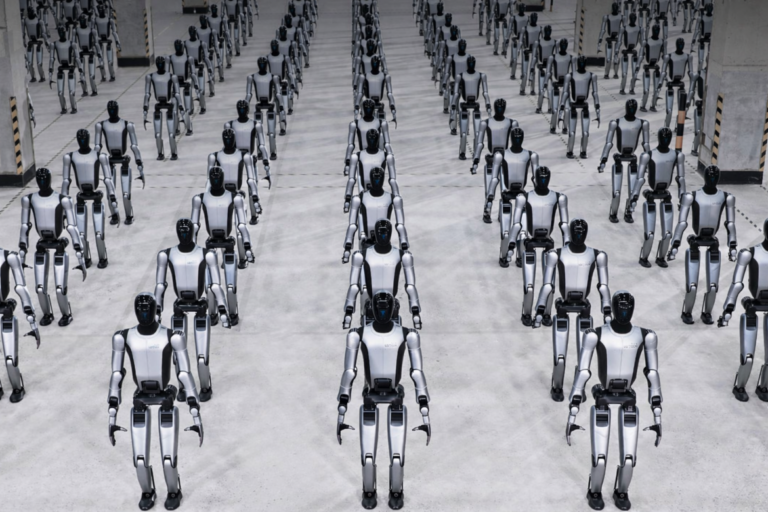
Ubtech Sales Surge Signals Shift to Commercial Humanoid Robotics in China
Ubtech reported a 23-fold increase in humanoid robot sales, driven by industrial deployments. The results point to accelerating commercialization of embodied AI in China.
Humanoid robots are robotic systems designed with a human-like form factor, enabling them to move, manipulate objects, and operate in environments built for people. Unlike traditional industrial machines, humanoids aim to combine mobility, dexterity, and embodied intelligence to perform a wide range of physical tasks. This topic covers advances in locomotion, balance, manipulation, perception, and AI-driven control systems, as well as real-world deployment in manufacturing, logistics, healthcare, and service roles. It also examines the technical, economic, and safety challenges of scaling humanoid platforms beyond research and pilot programs. As hardware matures and AI models improve, humanoid robots are increasingly positioned as general-purpose systems for complex, unstructured environments.
Ubtech reported a 23-fold increase in humanoid robot sales, driven by industrial deployments. The results point to accelerating commercialization of embodied AI in China.
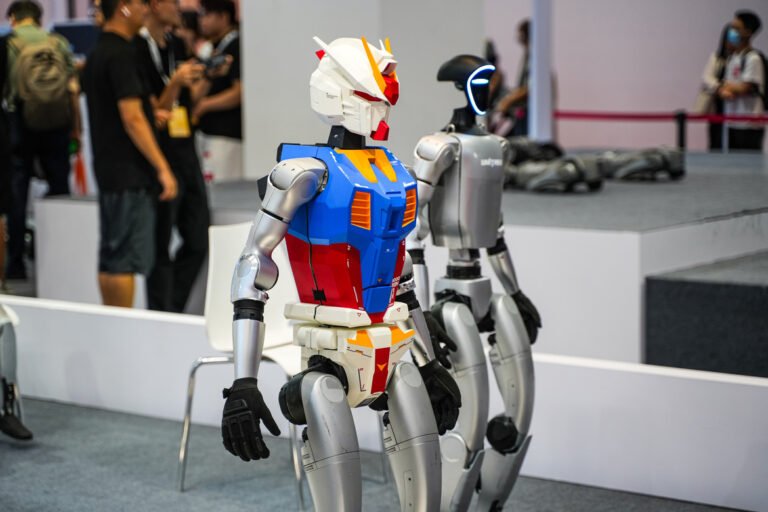
Humanoid robot prices have dropped more than 70% in two years, signaling a shift toward commercialization. The market is now dividing into premium, mid-range, and volume-driven...
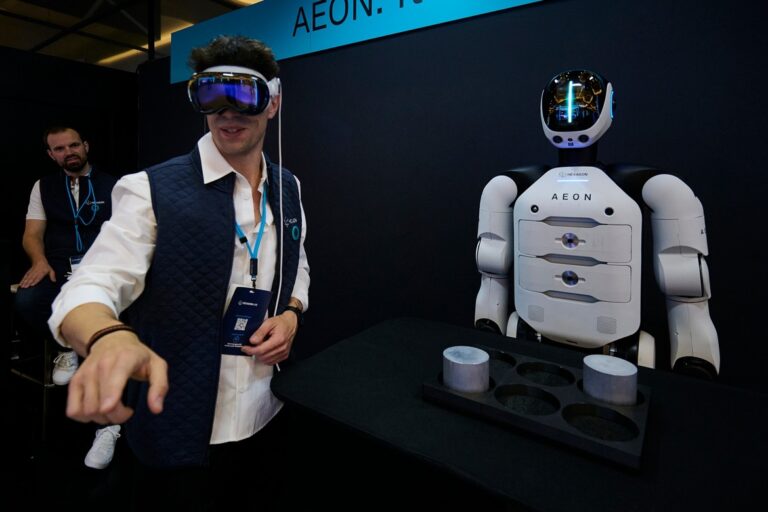
European companies are accelerating investment in humanoid robotics as the region seeks to regain technological momentum. Industrial expertise and automotive supply chains are emerging as key...
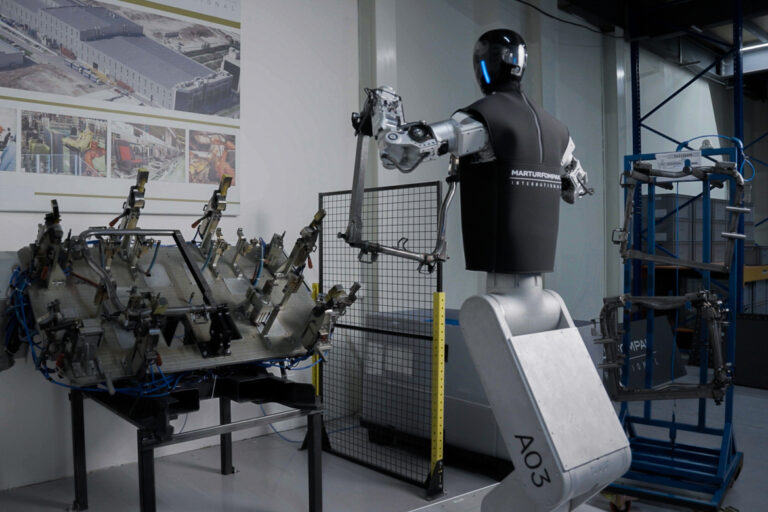
SAP, Humanoid, and Martur Fompak have completed a live warehouse trial linking enterprise AI agents to a humanoid robot. The test highlights how software-driven decisions can...
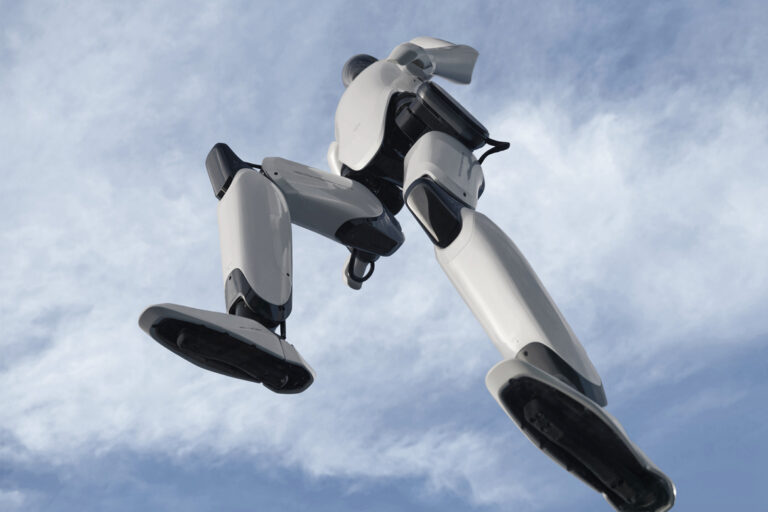
Xiaomi has introduced a redesigned bionic hand for its CyberOne humanoid robot, improving dexterity, tactile sensing, and durability. The upgrade reflects a broader push toward human-level...

LimX Dynamics has introduced its new humanoid robot Luna at a consumer-facing event, signaling a shift from industrial robotics toward public interaction and lifestyle applications.
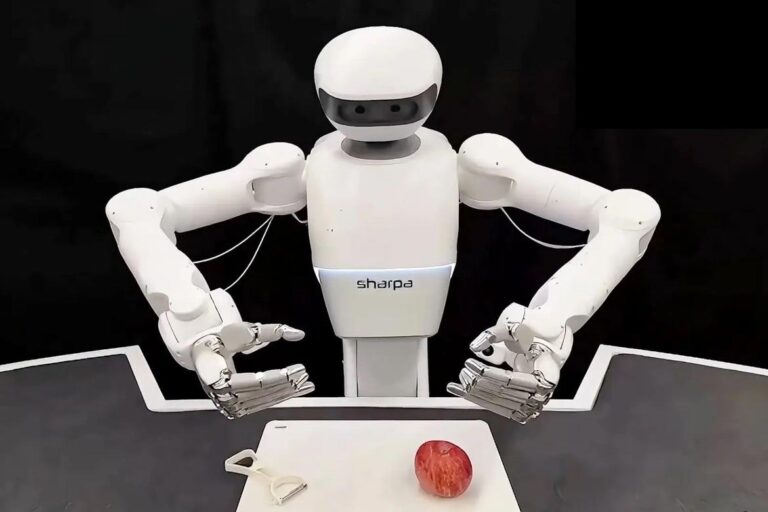
Sharpa has unveiled a humanoid robot capable of peeling an apple autonomously, highlighting advances in dexterous manipulation powered by multimodal AI systems.
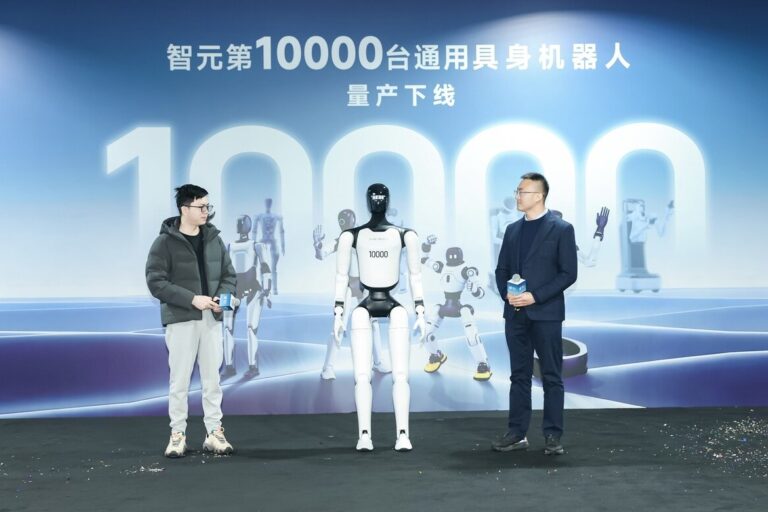
Agibot has produced 10,000 humanoid robots, signaling a transition from early deployments to large-scale commercial adoption of embodied AI systems.
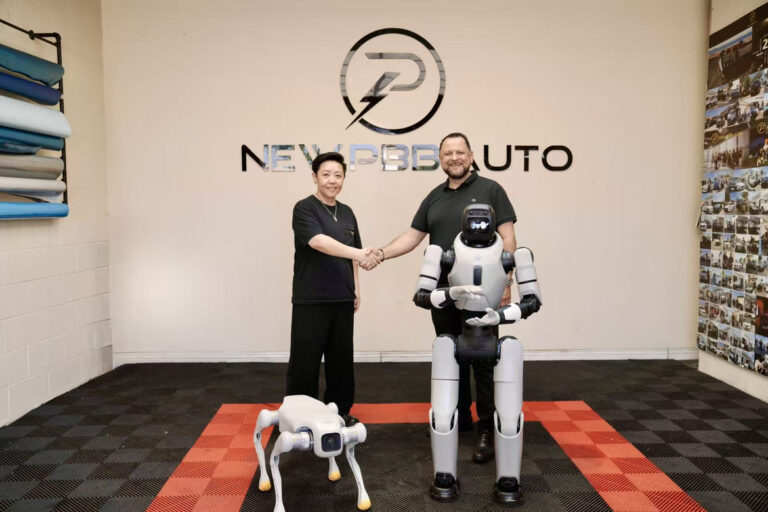
Faraday Future has delivered new humanoid robots for dealership use while testing education-focused deployments, signaling a broader strategy to integrate embodied AI across services and learning.

U.S. lawmakers are introducing legislation to block government use of Chinese-made humanoid robots, reflecting growing concerns over data security and technological competition.