Key Notes
- EngineAI presented two humanoid AI models and a planned $150 million partner-support package, which is distinct from a financing round for the company.
- Awaken-HI learns from human whole-body recordings, while its reported task success rates come from EngineAI’s own limited robot evaluations.
- The company is promising further model releases and collaboration tools, with key Awaken-HI code and weights still listed as forthcoming.
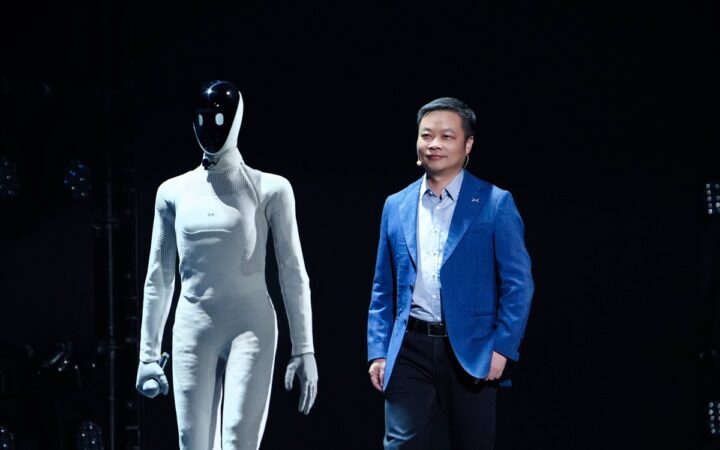
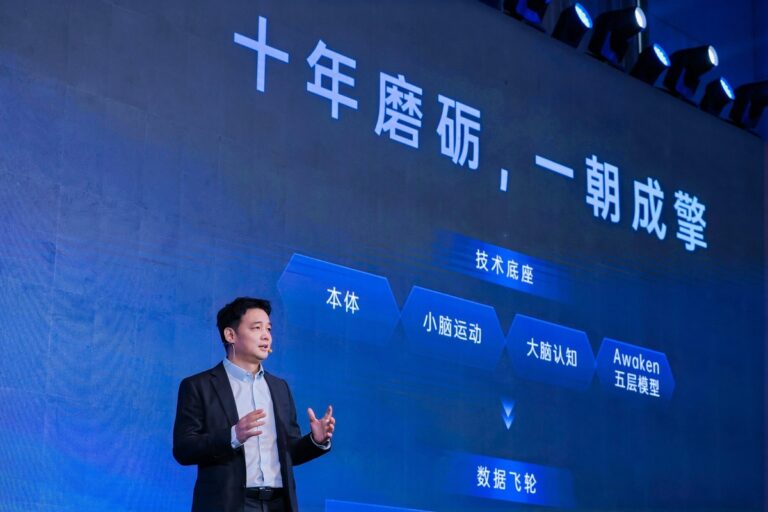
EngineAI has unveiled two humanoid robot AI models and a plan to provide $150 million in support for ecosystem partners, widening its push from building robots to helping outside teams develop applications. The company announced the package in a November 29 update following its first Worldwide Developer Conference in Shenzhen.
The conference program dates the event to November 25. It brought together robot-control researchers, developers and industry partners around a central challenge: turning demonstrations into systems that can perform useful work in factories, commercial settings and homes.
A Partner Plan for Humanoid Applications
EngineAI says it will work with industry funds, including Henan Investment Group and Chenkun Jingu, on the $150 million support package. This is a proposed ecosystem initiative, rather than a disclosed financing round for EngineAI or confirmation that the full sum has been invested.
Its Engine Plan combines access to robot platforms, computing resources and engineering expertise with research collaboration, training and commercial partnerships. Projects would be assessed individually for prototype support and introductions to investors. The aim is to let partners build specialized applications on shared hardware and tools.
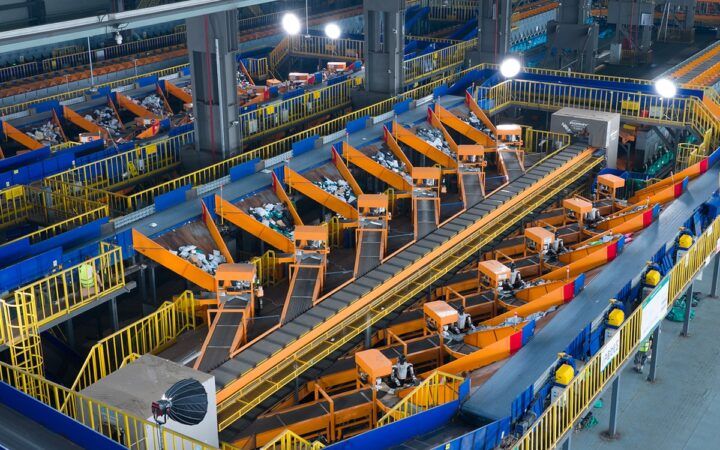
That extends the manufacturing story in our coverage of EngineAI’s Shenzhen factory: producing machines and developing a reusable software ecosystem are separate parts of the commercial challenge.
Awaken-HI Learns From Whole-Body Human Motion
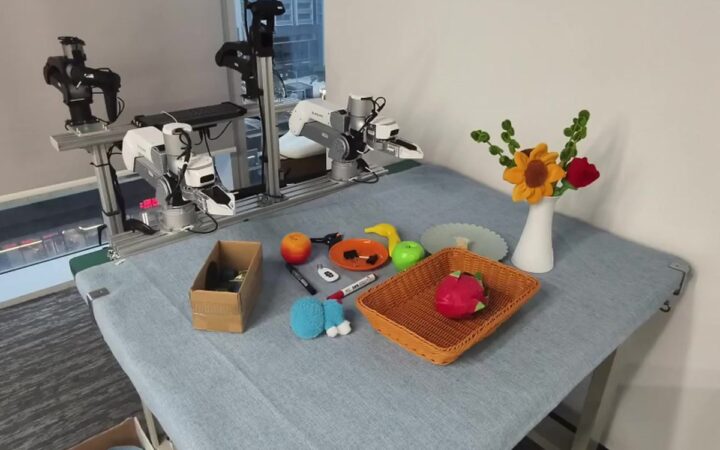
The first model, Awaken-HI, links visual information and instructions to coordinated movement and manipulation. Its technical report describes pretraining on approximately 50,000 hours of first-person video synchronized with human whole-body motion, followed by adaptation to EngineAI’s T800 humanoid.
EngineAI reports 93.75% average success across eight individual robot tasks. Each method in its comparison used the same 150 hours of robot teleoperation data for post-training, with ten trials per task. The company separately reports 90% average success across four previously unseen object-and-destination pairings.
These are results from the developer’s own evaluation, rather than an independent measure of general reliability in homes or factories. The limited task sets also mean the success rates should not be read as a promise that a robot will complete almost any instruction.
The second model, EngineAI-BFM, targets behavior ranging from dynamic whole-body motion to dexterous handling. EngineAI says it supports adaptation across robot bodies and stable movement while carrying more than 35 kilograms. Those capabilities remain company-reported claims.
Model Releases and Industrial Use Remain Distinct
EngineAI plans to open-source EngineAI-BFM weights and its human-motion agent, with developer interfaces for movement and obstacle avoidance. Meanwhile, the Awaken-HI repository lists its report and dataset as released, but still marks inference code, model weights and the simulation platform as forthcoming.
The company’s existing open projects include robot descriptions, simulation environments and control tools. These resources give developers a starting point, but do not amount to public availability of every newly announced model.
EngineAI also presented whole-body teleoperation and autonomous inspection systems. It cited T800 material-handling work at Luxshare Precision and PM01 ladder research at ETH Zurich, broadening the applications beyond the PM01 demonstrations we previously covered.
A collaboration mechanism called CoRun would recognize teams that reproduce existing results on physical robots and add a verified contribution. Its value will depend on whether partners can repeat useful skills and adapt them to new jobs, turning the conference’s ecosystem plans into measurable deployment progress.
Disclaimer: RobotsBeat is an independent media brand owned and operated by NuvexMedia LLC, publishing news, research, and insights on artificial intelligence, emerging technologies, automation, and related industries. NuvexMedia LLC invests in and collaborates with companies across the AI, Robotics, technology, software, and digital innovation sectors. These relationships do not influence RobotsBeat's editorial coverage, and the publication maintains full editorial independence to provide accurate, timely, and objective information. © 2026 NuvexMedia LLC. All rights reserved. This content is for informational purposes only and should not be considered legal, tax, investment, financial, or other professional advice.