
Key Notes
- ROBOTERA’s November 26 update identifies 45 humanoids at China Post’s Hangzhou center in a testing program that its English release dates to April.
- The company reports about 1,200 parcels per hour in particular tests and accuracy above 90%, without defining the throughput unit or publishing full-shift reliability data.
- Hangzhou is distinct from the previously covered Guangdong rollout, and differing Chinese-language performance figures have not been reconciled.
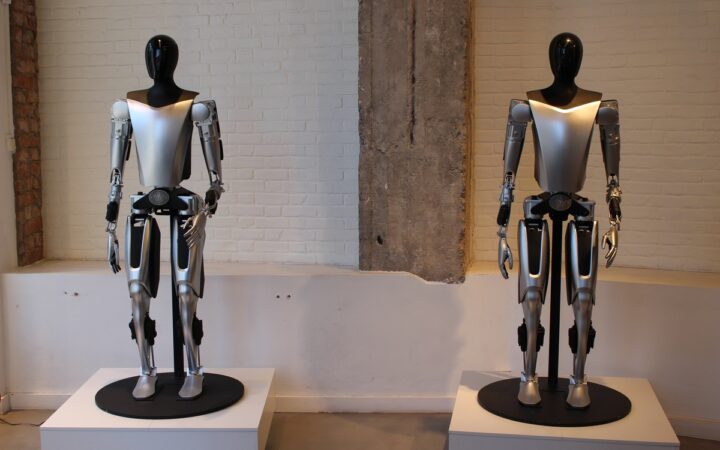
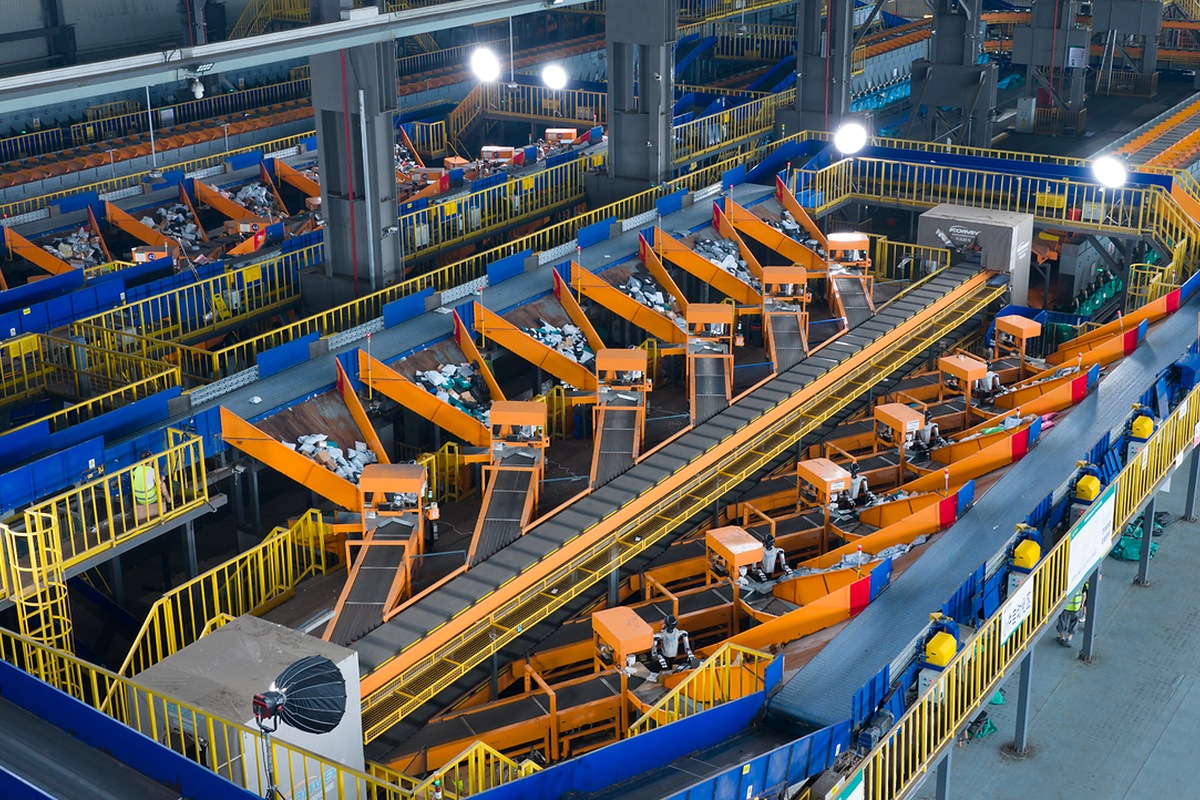
ROBOTERA says 45 humanoid robots have been deployed for parcel-induction testing at China Post’s Hangzhou Postal District Center. The company’s November 26 update adds a named single-site fleet to its postal logistics rollout, alongside the Guangdong network previously covered by RobotsBeat.
The English-language release says testing began in April 2026. It reports improvements after repeated optimization, including operational accuracy above 90%, while leaving several details of the performance measurement unspecified.
What the 45 Robots Do
ROBOTERA describes robots picking up parcels, changing their orientation, identifying and rejecting irregular items, and placing packages onto induction platforms. It also says they can deal with operational exceptions.
Induction is the point at which parcels enter an automated sorting flow. Successfully handling that step requires more than repeatedly lifting the same object: packages arrive in different shapes and positions, and an unsuitable item may need to be rejected rather than forced into the process.
A 45-robot installation gives the operator a larger setting in which to assess how those behaviors work alongside conveyors and staff. The fleet count describes machines at the facility; it does not establish how many can work simultaneously or how often a person must intervene.
What the Performance Figures Establish
The English release reports induction efficiency rising from 500–600 parcels per hour initially to approximately 1,200 during particular testing periods. It does not make clear whether that measure applies to an individual robot, a station or the installation as a whole.
A November 25 Beijing Business Daily report, carried by Sina Finance and citing ROBOTERA, gives a different account: deployment and testing in early September, with efficiency subsequently above 1,500 parcels per hour. The sources do not reconcile those figures or their measurement periods.
They therefore cannot support a single independently verified throughput figure for the fleet. Multiplying a reported rate by 45 would add an assumption the disclosures do not establish. The accuracy claim also comes without a published definition of the metric, sample size or full-shift reliability data.
A Separate Site From the Guangdong Rollout
Our earlier Guangdong report covered 11 postal hubs across eight cities. Hangzhou is a different location in eastern China, and the latest release supplies a robot count for that particular center. The two disclosures should not be combined into an assumed total fleet or a common performance benchmark.
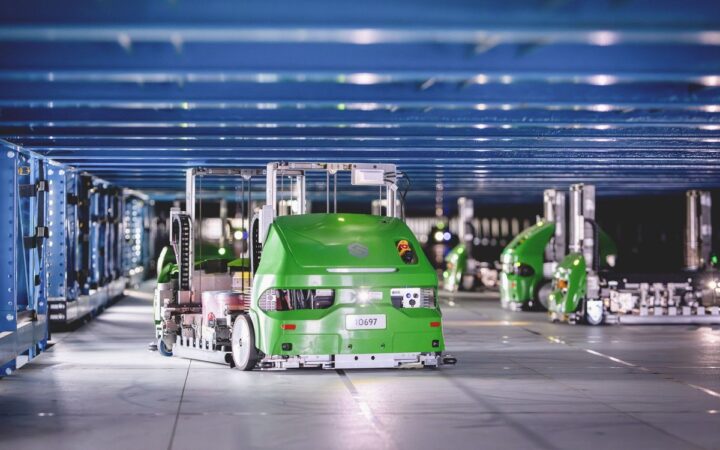
Our coverage of Mujin’s warehouse examined another attempt to coordinate robot handling within a larger logistics operation. In both cases, the commercial question extends beyond a successful pick to recovery, availability and the work needed to keep material moving.
For Hangzhou, the next useful evidence would be sustained results across complete shifts, intervention frequency and clear definitions of output and accuracy. Those measures would show how the reported test progress translates into repeatable postal work.
Disclaimer: RobotsBeat is an independent media brand owned and operated by NuvexMedia LLC, publishing news, research, and insights on artificial intelligence, emerging technologies, automation, and related industries. NuvexMedia LLC invests in and collaborates with companies across the AI, Robotics, technology, software, and digital innovation sectors. These relationships do not influence RobotsBeat's editorial coverage, and the publication maintains full editorial independence to provide accurate, timely, and objective information. © 2026 NuvexMedia LLC. All rights reserved. This content is for informational purposes only and should not be considered legal, tax, investment, financial, or other professional advice.