Key Notes
- Samsung’s reported roadmap calls for partner selection in 2026, technology evaluation in 2027 and additional chip-fab robot deployments from 2028.
- The programme targets maintenance, parts supply and factory operations, extending robotics into work that still requires people despite existing wafer-transport automation.
- The 2028 timetable comes from ETNews reporting, while Samsung’s separately confirmed company-wide strategy targets AI-driven manufacturing by 2030.
Samsung Electronics is preparing a robotics programme to automate more of the work still performed by people inside its semiconductor factories, with deployment targeted from 2028, according to ETNews. The reported roadmap extends beyond moving wafers to supporting equipment maintenance and factory operations.
ETNews reported on November 26 that Samsung plans to select external robotics partners during 2026 and evaluate their technology in 2027. That would put supplier selection and technical validation ahead of the proposed factory rollout.
A Dedicated Team Targets Chip-Fab Maintenance
The report places a robotics team within the global manufacturing and infrastructure organisation of Samsung’s Device Solutions division, which handles semiconductors. Its remit is described as developing robot technology and bringing it into actual production facilities with specialist partners.
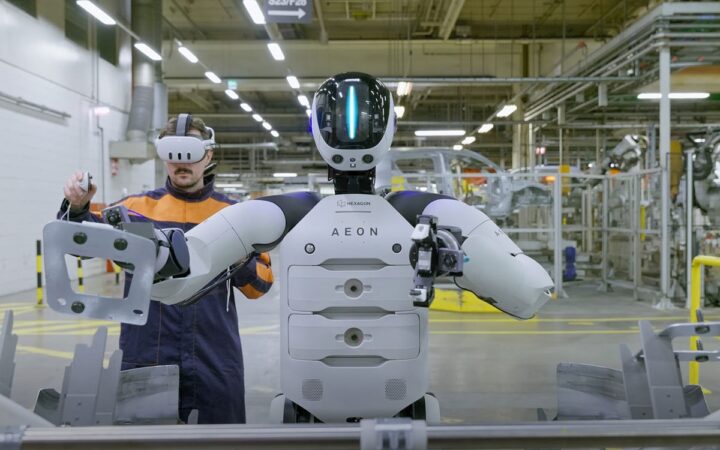
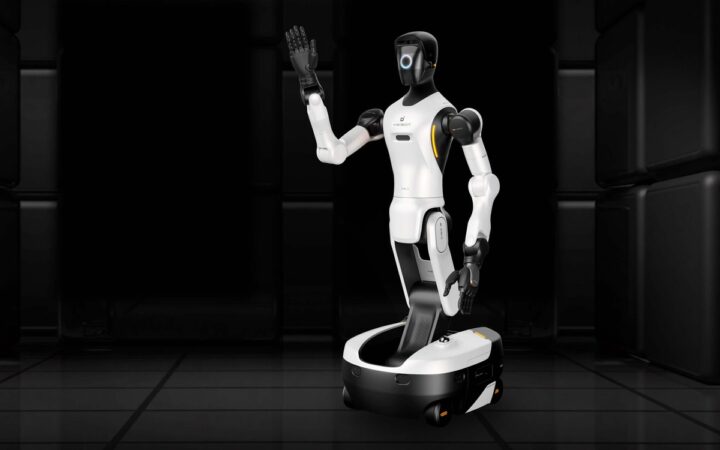
The remaining manual work includes equipment servicing, supplying parts and managing facilities. ETNews identifies automated guided vehicles, autonomous mobile robots and robotic arms as technologies that could address those jobs, including transporting maintenance components and production materials.
The roadmap remains an industry-sourced account. The article does not name selected suppliers, disclose robot quantities or establish which fabs would receive the first systems. Those details will determine the size and practical scope of the programme.
Mobile Robots Extend Existing Wafer Automation
Samsung’s fabs already use extensive automation. The company’s own fab overview describes overhead hoist transports moving wafers between process tools in protective carriers. Automated scheduling selects equipment, while recovery and rerouting systems handle obstacles in the transport network.
That existing infrastructure provides the context for the new report. Moving a sealed wafer carrier between tools is one workflow; delivering a replacement component to a technician or servicing equipment introduces different objects, routes and physical interactions.
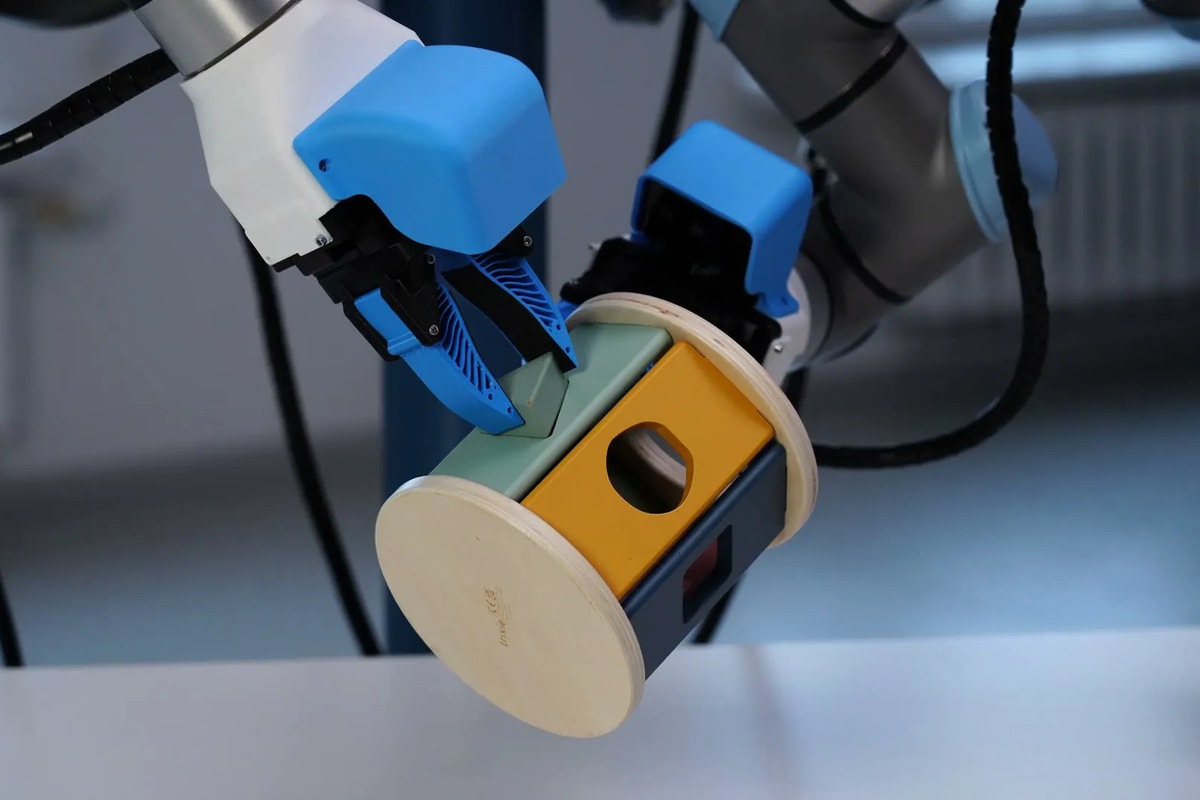
A useful robot deployment must therefore connect movement with the equipment’s operating state and the maintenance schedule. Transporting the right item is valuable when it arrives at a machine that is ready to receive it. Physical manipulation adds requirements for positioning, contact control and consistent execution.
Our Rainbow–Miracom report examines a related integration challenge: linking robot hardware to manufacturing software. That separate partnership offers context for the supporting systems factories need; it does not identify either company as a selected supplier for this reported Samsung programme.
A 2028 Step Within Samsung’s Wider 2030 Strategy
Samsung has publicly committed to a broader direction. Its March 1 strategy announcement targets AI-driven manufacturing worldwide by 2030, combining digital-twin simulations, AI agents and robots for operations, logistics and assembly.
Our earlier factory strategy coverage follows that company-wide ambition. The newly reported 2028 timeline is a more specific semiconductor-robotics milestone, rather than confirmation that all Samsung factories will operate without people by that date.
The semiconductor sector is also testing robots for additional physical work. Our GlobalFoundries coverage details planned Atlas humanoid trials alongside existing Spot inspection operations. Samsung’s reported approach leaves the robot mix and suppliers open, with the next concrete milestones being partner appointments and successful technical evaluations.
Disclaimer: RobotsBeat is an independent media brand owned and operated by NuvexMedia LLC, publishing news, research, and insights on artificial intelligence, emerging technologies, automation, and related industries. NuvexMedia LLC invests in and collaborates with companies across the AI, Robotics, technology, software, and digital innovation sectors. These relationships do not influence RobotsBeat's editorial coverage, and the publication maintains full editorial independence to provide accurate, timely, and objective information. © 2026 NuvexMedia LLC. All rights reserved. This content is for informational purposes only and should not be considered legal, tax, investment, financial, or other professional advice.