Key Notes
- Unitree founder Wang Xingxing says China’s annual robot output could surpass car production within five to ten years if the technology matures.
- China produced about 34.5 million vehicles in 2025, illustrating the scale of the comparison without setting a fixed future robot target.
- Wang separately expects widespread global robot adoption to take ten to twenty years, with reliable manipulation and deployment engineering still requiring work.
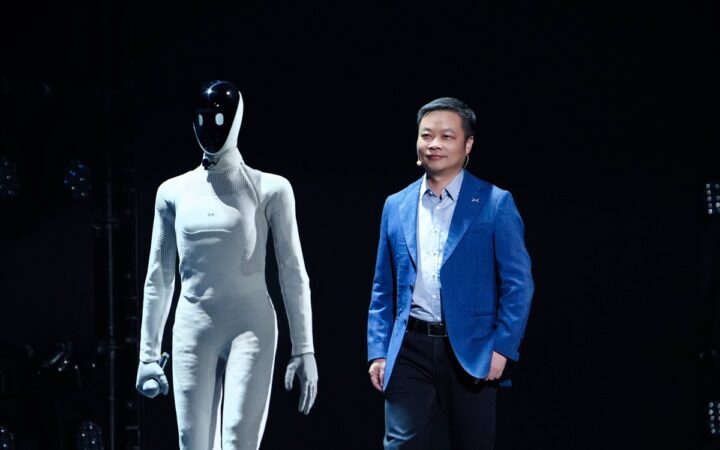
China could produce more robots than cars each year within the next five to ten years, according to Unitree Robotics founder and chairman Wang Xingxing. His forecast rests on robotics technology becoming mature enough to support much larger manufacturing volumes.
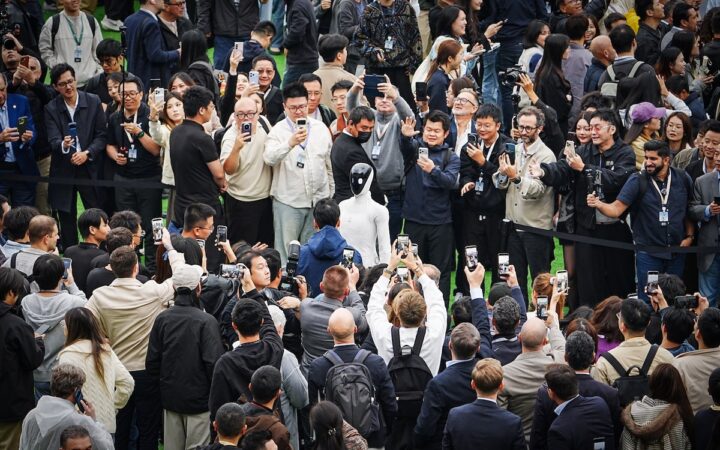
Wang made the remarks at the WISE2026 conference in Beijing on November 26, Yicai reported. He argued that robots’ smaller size could give the industry a manufacturing advantage once the technical challenges are resolved.
Smaller Machines, Larger Production Volumes
Wang’s reasoning starts with the physical product. Compared with a car, a robot is relatively compact. If the technology works as intended, the engineering effort involved in producing one could also be lower in some respects, he said.
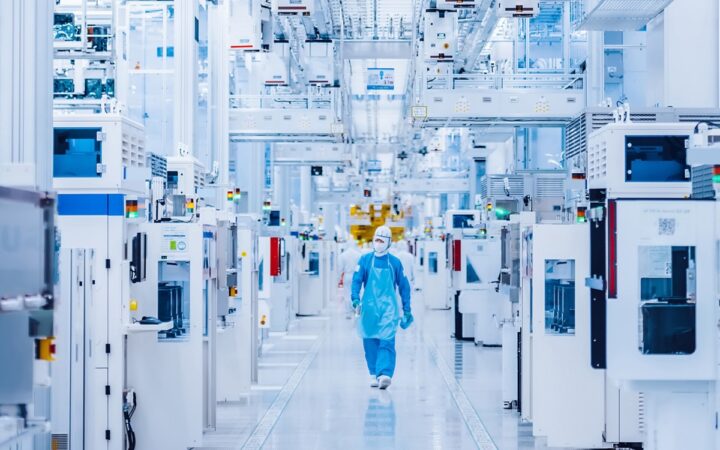
The comparison puts factory output at the center of his prediction. In a separate conference report, Ebrun described Wang’s view that a factory could turn out more robots once production conditions mature.
The remarks concern China’s robot industry as a whole. Neither account defines a precise mix of humanoids, quadrupeds or other machines, or assigns the projected national volume to Unitree alone. The forecast therefore does not establish a humanoid-only production target.
China’s Car Industry Sets a High Benchmark
China produced 34.531 million vehicles in 2025, according to China Association of Automobile Manufacturers figures reproduced by the Zhejiang government. Production increased 10.4% from the previous year, while vehicle sales reached 34.4 million.
That provides a sense of the scale behind Wang’s comparison: annual robot output would need to reach tens of millions of units to exceed a car industry of that size. The 2025 figure is a reference point, however, and future vehicle production could change during his five-to-ten-year horizon.
Counting finished machines also measures something different from industry revenue or the economic work those machines perform. Wang did not attach a corresponding market-value estimate or claim that a robot and a car would generate equivalent revenue.
Production Growth and Everyday Adoption Follow Different Timelines
Wang gave a longer estimate for widespread global adoption: ten to twenty years, according to Ebrun. He pointed to the engineering needed to adapt hardware, execute tasks reliably and support machines after deployment. Increasing factory capacity would address only part of that process.
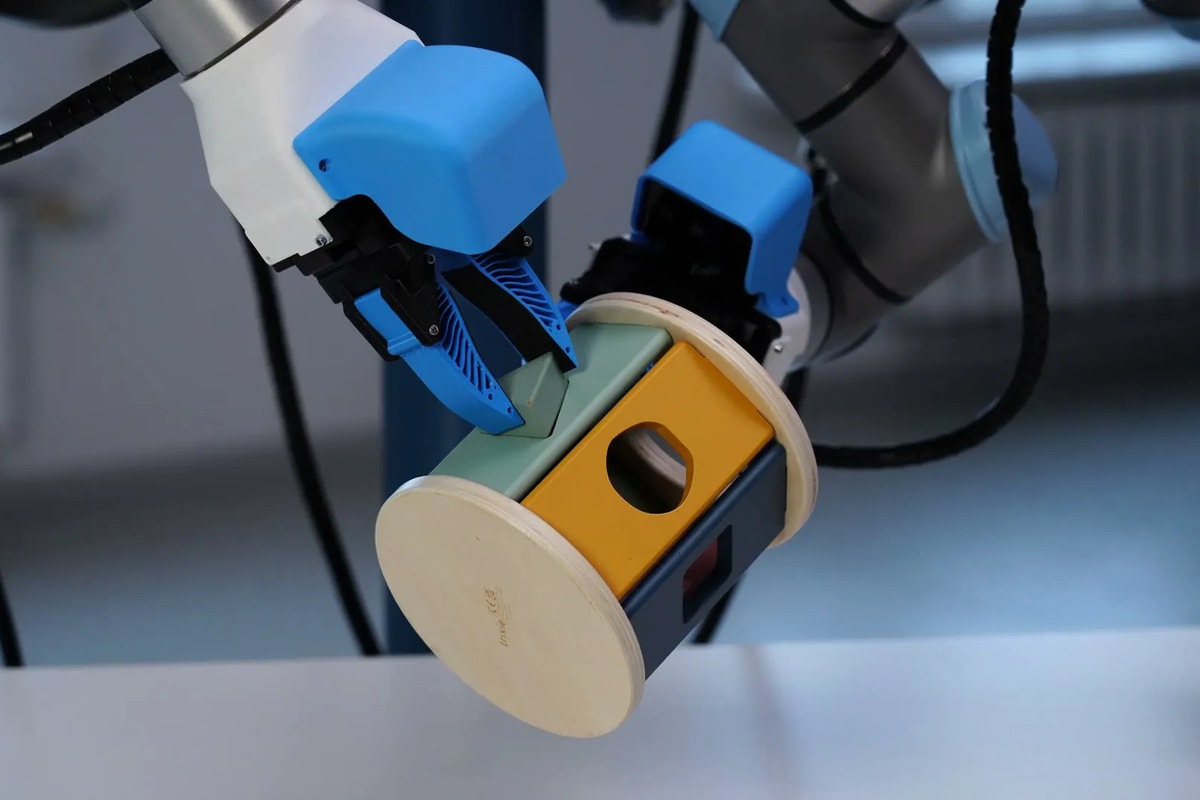
He also identified precise physical interaction as unfinished work for robot intelligence. General-purpose AI can help with reasoning and planning, but tactile feedback and fine manipulation remain difficult. His view is that commercialization should progress alongside technical improvements, with applications expanding as capabilities improve.
The distinction builds on Wang’s earlier breakthrough forecast, which concerned useful humanoid behavior as soon as 2028. A technical advance, national manufacturing scale and broad customer adoption represent separate milestones.
Unitree’s Lightwheel partnership addresses the training and evaluation work between a promising model and dependable deployment. For the production forecast, progress will be visible in growing shipments, repeatable manufacturing and robots that customers can keep working reliably.
Disclaimer: RobotsBeat is an independent media brand owned and operated by NuvexMedia LLC, publishing news, research, and insights on artificial intelligence, emerging technologies, automation, and related industries. NuvexMedia LLC invests in and collaborates with companies across the AI, Robotics, technology, software, and digital innovation sectors. These relationships do not influence RobotsBeat's editorial coverage, and the publication maintains full editorial independence to provide accurate, timely, and objective information. © 2026 NuvexMedia LLC. All rights reserved. This content is for informational purposes only and should not be considered legal, tax, investment, financial, or other professional advice.