Key Notes
- GXO and Apptronik have signed a letter of intent to expand Apollo humanoid trials, with a conditional ambition to deploy up to 1,000 robots globally over four years.
- Trials beginning in 2027 will assess warehouse workflows against agreed productivity, safety and operational measures before initial deployment targeted for North America in late 2027.
- The commercial framework is expected to use Robotics-as-a-Service, while the release does not disclose pricing, named rollout sites or a firm purchase order for the full fleet.
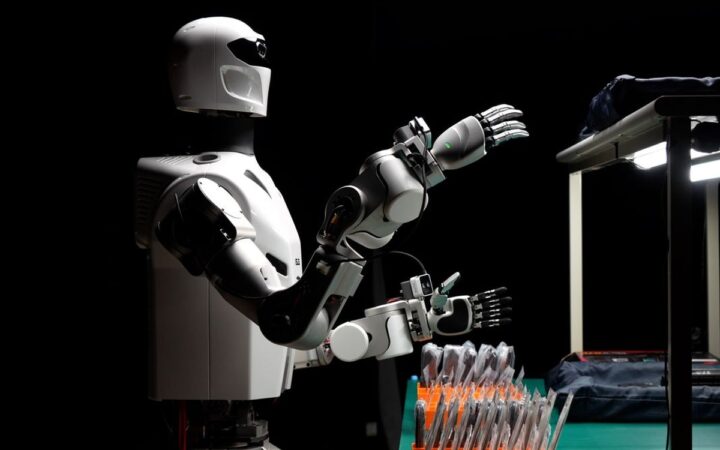
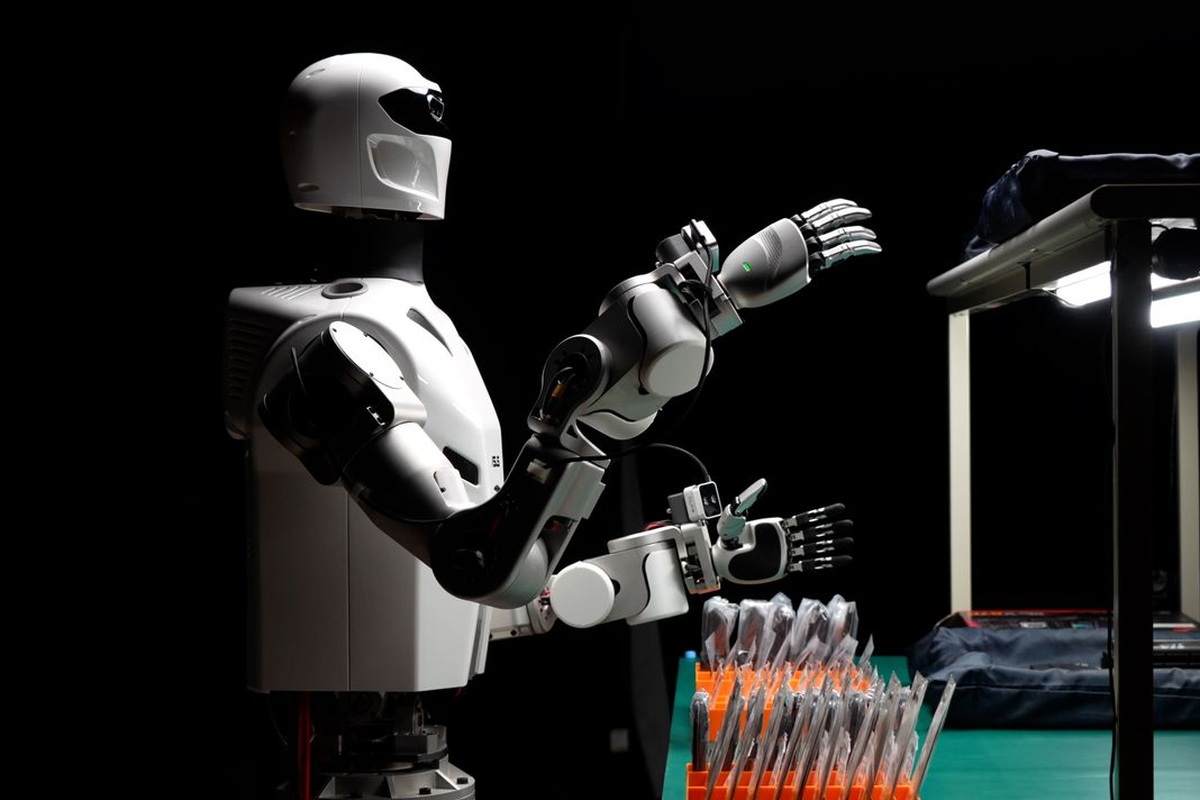
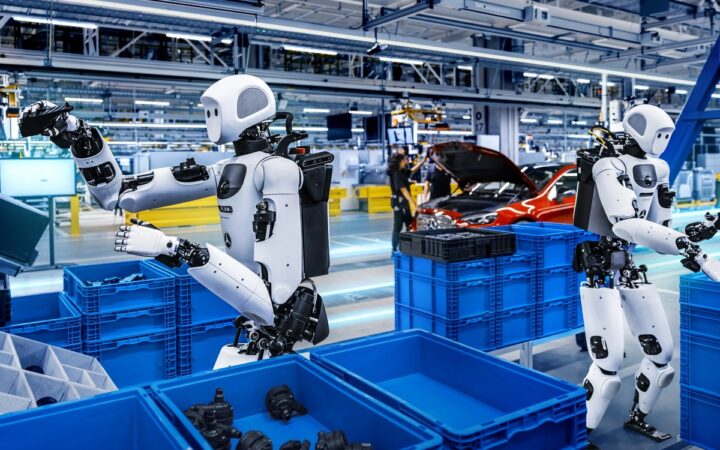
GXO Logistics and Apptronik have signed a letter of intent to expand trials of Apollo humanoid robots, setting out a conditional path to as many as 1,000 machines worldwide over four years. Initial deployment is targeted for North America in late 2027, provided the systems meet agreed performance, safety and operational requirements.
The November 12 announcement describes a framework expected to use Robotics-as-a-Service. The 1,000-robot figure is a rollout ambition tied to results, rather than a disclosed purchase order for that many machines.
Warehouse Workflows Set the Test
Expanded trials are planned from 2027 across picking, case and tote movement, packing and sortation. The companies will assess individual applications against their agreed operating measures, including how Apollo works alongside employees and existing automation.
That creates several separate engineering tests. Moving a tote requires reliable transport and handoffs, while picking small goods can demand different grasping and perception capabilities. A successful trial in one workflow does not establish that every task is ready to scale.
The service structure could give GXO a way to add capacity as use cases become useful. Its economics will depend on matters such as availability, maintenance, interventions and completed work. The release does not disclose pricing or contract value, so it does not establish the cost per productive hour.
A Partnership Progresses Beyond Early Research
GXO and Apptronik began working together in 2024. GXO says Apollo completed an earlier pilot focused on picking small consumer goods, and that the partners have collected data and conducted autonomous evaluations across more than 50 logistics tasks at Apptronik’s Robot Park. It does not provide a detailed result for each task.
Our Robot Park report explains how Apptronik uses its training infrastructure to develop robot skills and collect real-world experience. Rehearsing work in a dedicated facility provides a starting point; a customer warehouse adds its own layouts, inventory and operating constraints.
Apptronik’s hardware is also part of a separate factory-research effort. RobotsBeat’s Gemini Robotics coverage examines Google DeepMind’s Apollo 2 automotive-parts trial. That result belongs to its specific factory setup and should not be treated as the success rate of GXO’s warehouse program.
GXO Builds a Portfolio of Humanoid Programs
The Apollo initiative sits alongside GXO’s existing work with Agility Robotics. As our Digit expansion report details, that separate relationship is extending to two additional warehouses, with deployments expected in early 2027.
Working with multiple suppliers lets a logistics operator assess different machines against the tasks it needs performed. It also makes the integration question important: a humanoid must fit into existing material flows and operating procedures, regardless of the model selected.
For Apollo, the next milestone is the expanded live-operation trials. The proposed fleet becomes a stronger commercial signal as the partners demonstrate repeatable results and convert their framework into specific deployments. Until then, the safety and productivity conditions remain central to understanding the 1,000-robot plan.
Disclaimer: RobotsBeat is an independent media brand owned and operated by NuvexMedia LLC, publishing news, research, and insights on artificial intelligence, emerging technologies, automation, and related industries. NuvexMedia LLC invests in and collaborates with companies across the AI, Robotics, technology, software, and digital innovation sectors. These relationships do not influence RobotsBeat's editorial coverage, and the publication maintains full editorial independence to provide accurate, timely, and objective information. © 2026 NuvexMedia LLC. All rights reserved. This content is for informational purposes only and should not be considered legal, tax, investment, financial, or other professional advice.